Mastering Dried Beans: A Slow Cooker Revelation for Flavorful Flageolets & Gratins
For too long, my pantry shelves groaned under the weight of neglected dried beans. Boxes half-filled, bags bound with forgotten rubber bands, some containing just a few tablespoons – a multi-year collection of various legumes, including those delightful flageolets, had taken up permanent residence. But in a mere two weeks, a culinary revolution unfolded in my kitchen, liberating my pantry and transforming those long-forgotten staples into incredibly satisfying meals. The hero of this story? My trusty slow cooker. What began as a mission to clear clutter quickly evolved into a passionate advocacy for slow-cooked beans, a testament to how simple tools can unlock profound culinary joy.
This journey has been so rewarding that the “depletion” phase is already making way for “rebuilding.” I’ve just replenished my supply, ordering more gigantes and flageolets. There’s an undeniable satisfaction in turning neglected ingredients into wholesome, delicious food, and it feels truly wonderful.
Why the Slow Cooker is Your Best Friend for Dried Beans
I’ve officially become a slow cooker evangelist, especially when it comes to dried beans. The slow cooker transforms tough, unassuming legumes into creamy, flavorful powerhouses with minimal effort. Here’s why it’s a game-changer:
- Unbeatable Flavor Development: Long, slow simmering allows flavors to meld beautifully, creating a depth of taste that’s hard to achieve with quicker methods. The beans absorb all the aromatic goodness from your chosen ingredients.
- Perfect Texture, Every Time: Say goodbye to mushy or undercooked beans. The gentle, consistent heat of a slow cooker ensures tender, creamy beans without the need for constant monitoring.
- Hands-Off Cooking: Prep your ingredients in the morning, set it, and forget it! Come evening, you’ll have a wholesome meal waiting, freeing up your time for other activities.
- Cost-Effective & Healthy: Dried beans are incredibly affordable and packed with protein, fiber, and essential nutrients. Slow cooking them at home is far more economical and healthier than buying canned versions.
- Pantry Powerhouse: It’s the ultimate solution for utilizing those forgotten bags of beans, reducing food waste, and making the most of your pantry staples.
Essential Insights for Irresistibly Flavorful Slow Cooker Beans
Through countless batches over these past two weeks, I’ve gathered invaluable tips for achieving the most delicious slow-cooked beans:
1. Water vs. Stock: The Surprising Truth
Many recipes call for vegetable or chicken stock, but I’ve found that plain water works just as effectively, if not better, for cooking dried beans in a slow cooker. The beans themselves release starches and flavor, and combined with your aromatic additions, they create a wonderfully rich broth on their own. Save your precious, homemade or store-bought stock for where it truly shines – your favorite soups and sauces, where its distinct profile can truly elevate the dish.
2. Crafting the Ultimate Flavor Base
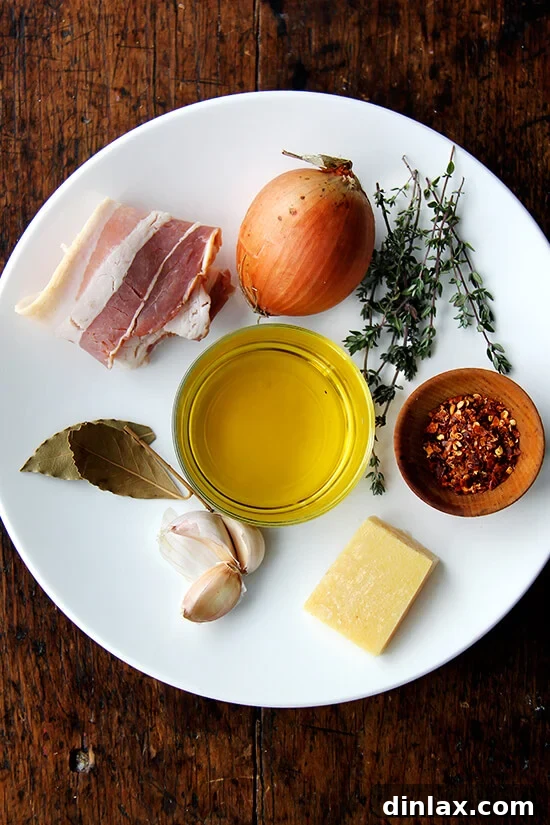
The secret to an incredibly flavorful pot of beans lies in a few simple pantry staples. This combination creates a robust, aromatic foundation that the beans enthusiastically absorb:
- Bay Leaf or Two: Adds a subtle, herbaceous note that complements the earthy beans.
- 2 to 3 Chopped Onions: Provides sweetness and depth as they slowly caramelize into the broth.
- 2 to 3 Cloves Minced Garlic: Essential for aromatic complexity. Don’t be shy!
- Crushed Red Pepper Flakes: Just a pinch adds a gentle warmth and zing, awakening the other flavors.
- Fresh or Dried Thyme: Earthy and aromatic, thyme is a classic pairing with legumes.
- Generous Drizzle of Olive Oil: Adds richness and helps carry the fat-soluble flavors throughout the dish.
- Bacon or Pancetta (2 oz. is Key!): This is where the magic happens. A small amount of diced bacon or pancetta renders fat and infuses the entire pot with a smoky, savory depth.
- A Parmesan Rind (If You Have It): Don’t toss those cheese rinds! Adding one to your slow cooker imparts an umami-rich, savory essence that makes the broth truly special. Remove it before serving.
3. Thoughtful Additions for Extra Dimension
While the basic flavor base is phenomenal, these additions can take your slow-cooked beans to the next level:
- Canned San Marzano Tomatoes: Crushed directly into the pot, these premium tomatoes add a bright, tangy sweetness and a lovely texture.
- Finely Diced Carrots and Celery: Added during the final hour of cooking, these vegetables soften perfectly, contributing a sweet, earthy crunch without turning to mush. Their vibrant colors also make the dish more appealing.
4. The Golden Ratio: Beans to Water
For optimal results, aim for about 4 to 5 cups of water for every 8 ounces of dried beans. This ratio ensures the beans have enough liquid to fully hydrate and cook through without becoming too watery or too dry. Always check the water level periodically and add more hot water if needed to keep the beans submerged.
5. The Bacon/Pancetta Balance
While bacon or pancetta adds incredible flavor, moderation is key. Using more than 2 ounces tends to result in a thick layer of fat floating on top. While easily skimmed off before serving, it’s just as simple to avoid by sticking to the recommended amount. You’ll still get all the delicious savory notes without the excess grease.
Elevating Your Beans: Gratinéed Perfection
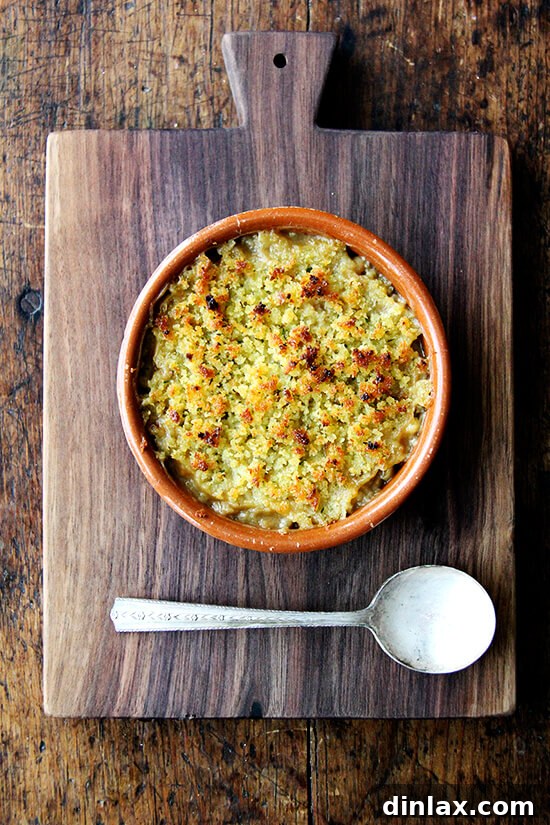
While a simple bowl of stewy slow-cooked beans with crusty bread is pure comfort, sometimes you crave a little extra indulgence. That’s where gratinéed beans come in – they are absolutely irresistible! Recently, after making Ina Garten’s Mustard Roasted Chicken, which features delightful crispy herbed breadcrumbs, I was immediately inspired to apply the same technique to my slow-cooked beans. The result was a revelation.
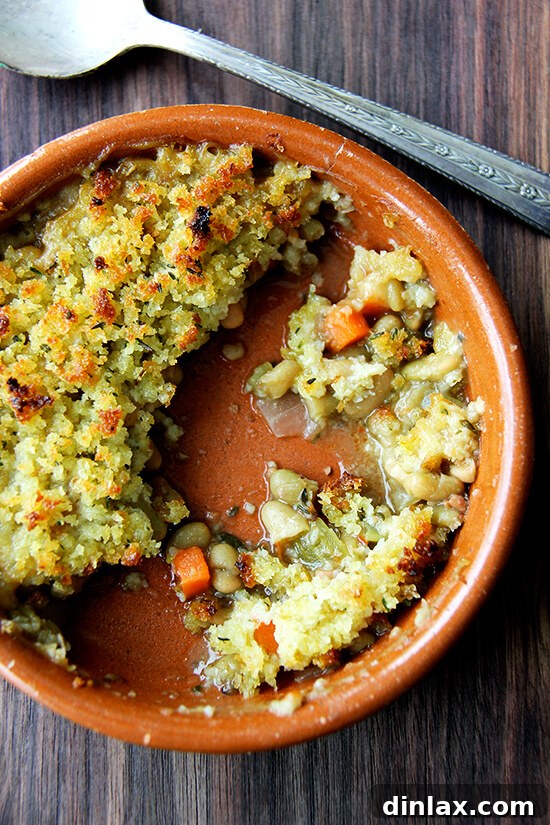
You can use any variety of beans that emerge from your slow cooker or Dutch oven. Simply ladle the tender beans into shallow, oven-safe dishes, generously cover them with aromatic herbed breadcrumbs, and bake until the topping is golden brown and bubbly, typically around 20 minutes. The contrast between the creamy, savory beans and the crunchy, seasoned crust is truly sublime.
The basics for an incredibly flavorful broth and, in turn, pot of beans:
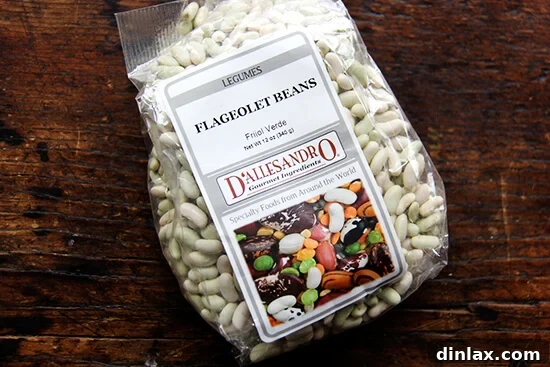
Flageolet beans, with their delicate flavor and creamy texture, are a fantastic choice for this recipe. If you find them hard to source, good quality white beans will work beautifully as a substitute. I often find excellent brands at specialty stores or online, such as these Roland flageolets.
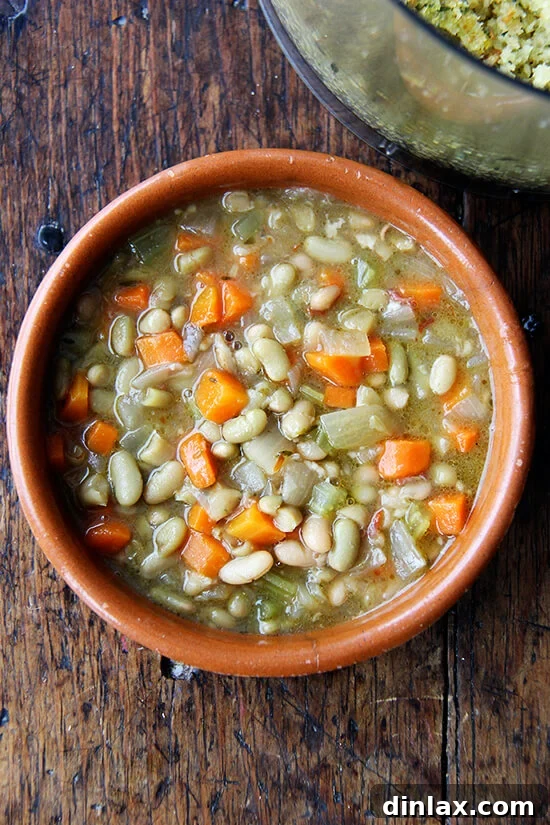
After a good six hours in the slow cooker, these beans reach a perfect, tender consistency, ready for their next transformation. They are incredibly creamy and have absorbed all the wonderful flavors from the broth.
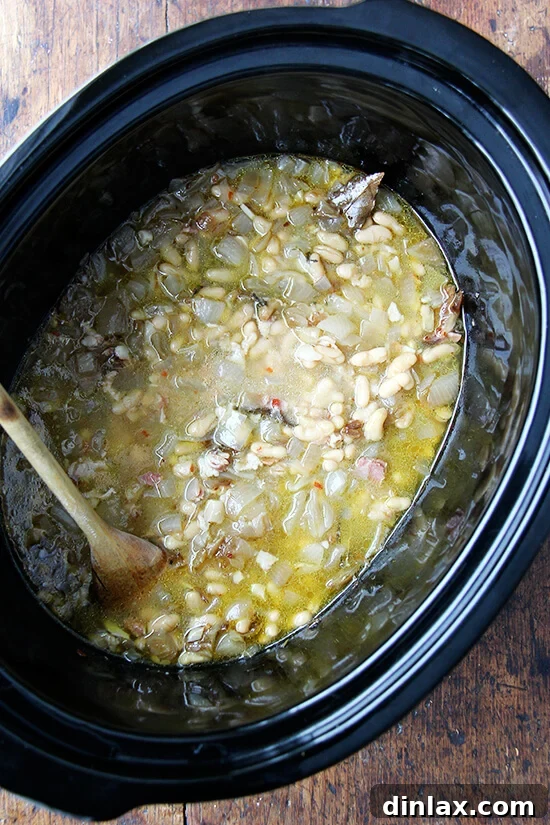
At this stage, you have a choice. You can serve them as is, perhaps with a drizzle of olive oil and a sprinkle of fresh herbs. Or, for added texture and nutrition, you can incorporate finely diced carrots and celery and let them cook for one more hour. This allows the vegetables to become tender-crisp without turning into mush, adding a lovely freshness to the dish.
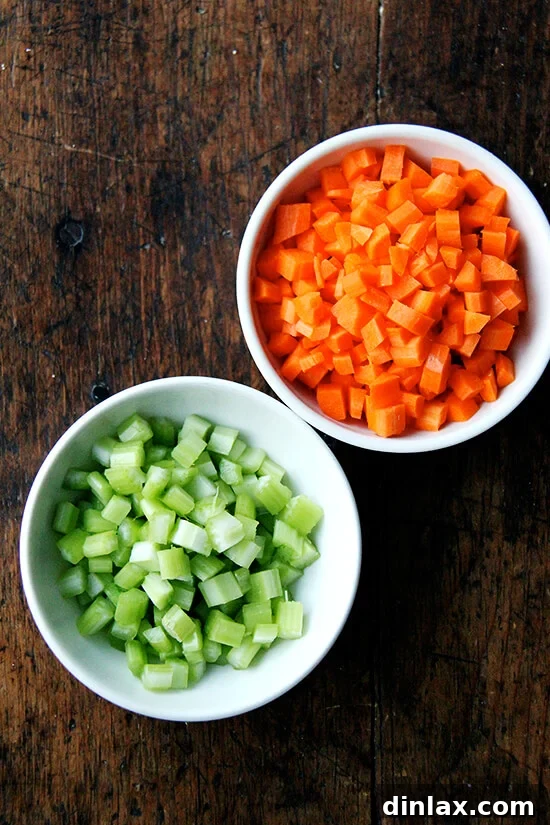
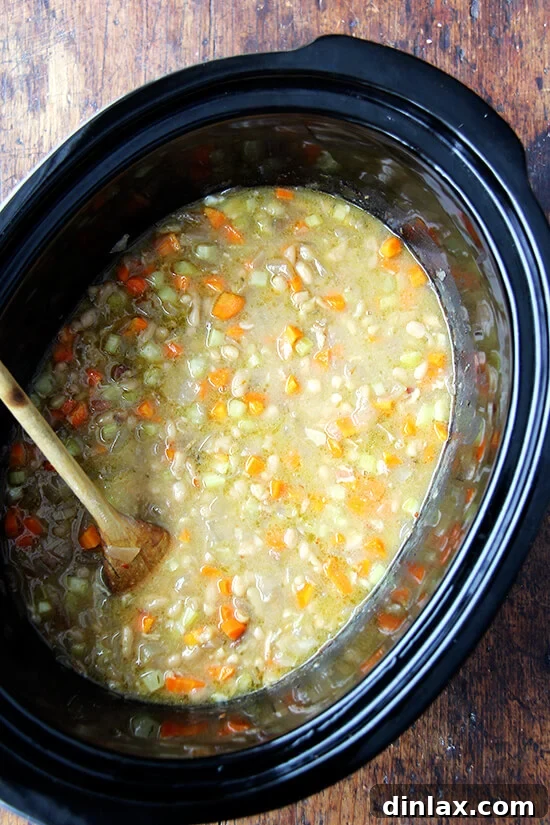
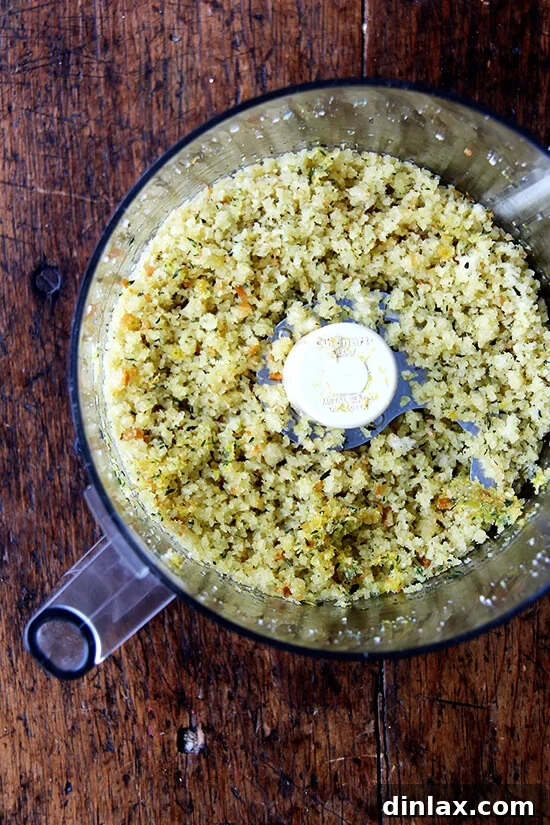
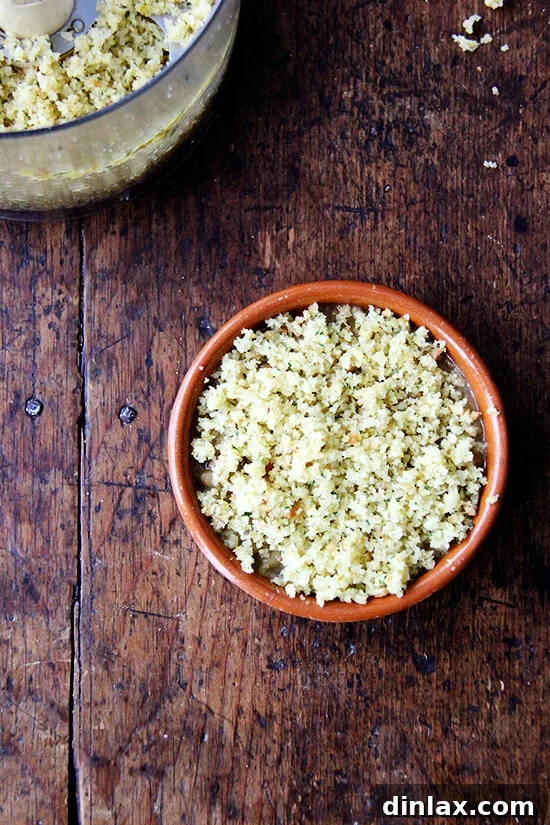
These are the same versatile herbed breadcrumbs that I use for Ina Garten’s mustard roasted chicken and are very similar to the ones featured in my sheetpan mac n’ cheese gratin. They add an incredible burst of flavor and a delightful textural contrast.
Slow Cooker Flageolets, Gratinéed: The Recipe
Print Recipe
Description
Embark on a culinary adventure with this incredibly simple yet profoundly flavorful slow cooker flageolet bean recipe. Following my recent success with Gigante Beans with Pancetta and Tomatoes, I’ve been experimenting non-stop with slow-cooked beans, and these flageolets quickly became a favorite. They’re wonderful served straight from the crockpot with crusty bread, but for an extra special treat, covering them with herbed breadcrumbs and baking until golden and bubbly creates an irresistible gratin.
Ingredients
- For the Beans:
- 8 oz dried flageolet beans or high-quality white beans (such as cannellini or great northern)
- 1-2 bay leaves
- A generous pinch of crushed red pepper flakes (adjust to your spice preference)
- 3-4 cloves garlic, gently smashed or roughly chopped
- 2 large onions, roughly chopped
- A few sprigs of fresh thyme or 1 teaspoon dried thyme
- 2 oz diced bacon or pancetta
- 1 parmesan rind (optional, but highly recommended for depth of flavor)
- 4-5 cups water (or enough to cover beans by about an inch)
- 1/4 cup extra virgin olive oil
- Kosher salt to taste (start with 1-2 teaspoons)
- 1 cup finely diced carrots (for adding later)
- 3/4 cup finely diced celery (for adding later)
- Freshly cracked black pepper for serving
- Shavings of Parmigiano Reggiano for serving (optional, if not making gratin)
- Toasted crusty bread for serving (optional, if not making gratin)
- For the Herbed Breadcrumbs:
- 2 garlic cloves, peeled
- A small handful fresh thyme leaves (if using tender stems, no need to strip leaves)
- Zest of one lemon
- 1.5 teaspoons Kosher salt
- 2 cups fresh breadcrumbs (homemade are best!)
- 3 to 4 tablespoons of extra virgin olive oil
Instructions
- Prepare the Beans: In your slow cooker, combine the dried beans (no need to pre-soak!), bay leaf(es), red pepper flakes, smashed garlic, chopped onions, thyme sprigs, diced bacon or pancetta, parmesan rind (if using), water, and olive oil. Ensure the beans are fully submerged in the liquid. Cover and cook on high for approximately 6 hours, or on low for 8-10 hours, until the beans are tender. Cooking times can vary based on your slow cooker and the age of the beans.
- Check and Season: After the initial cooking time, taste the beans. They should be tender and creamy. Now, add the finely diced carrots and celery, along with kosher salt to taste. I typically start with two teaspoons of kosher salt, then add more as needed. Stir gently. Continue cooking for an additional 1 hour on high, or until the vegetables are tender-crisp. (Note: Flageolets tend to cook faster than other white beans, so you might add the vegetables even closer to the end.) Throughout the cooking process, occasionally check the water level and add more hot water if it appears low.
- Serve or Prepare for Gratin: At this point, your delicious slow-cooked beans are ready to be enjoyed! Serve them hot with crusty bread, a sprinkle of freshly cracked black pepper, and optional shavings of Parmigiano Reggiano. Alternatively, if you’re making the gratin, proceed to the next step.
- Make the Herbed Breadcrumbs: In a food processor fitted with a steel blade, combine the peeled garlic cloves, fresh thyme (stems and all, if soft), lemon zest, and 1.5 teaspoons of kosher salt. Process until the garlic is very finely minced. Add the fresh breadcrumbs and 3 tablespoons of olive oil. Pulse a few times until the breadcrumbs are moistened. If they still seem dry, add the additional tablespoon of olive oil, pulsing again until lightly coated and fragrant.
- Assemble and Bake the Gratin: Preheat your oven to 400ºF (200ºC). Ladle the slow-cooked beans into individual gratin dishes or a larger shallow, oven-safe baking dish (a pie plate works well for serving a crowd). Evenly cover the beans with a generous layer of the prepared herbed breadcrumbs.
- Bake Until Golden: Bake in the preheated oven for about 20 minutes, or until the breadcrumbs are golden brown and crispy, and the beans are bubbling gently underneath.
- Rest and Serve: Allow the gratin to rest for about 15-20 minutes before serving. The beans retain their heat wonderfully, and resting allows the flavors to settle and prevents burns.
Beyond the Bowl: Charming Bread Bowls
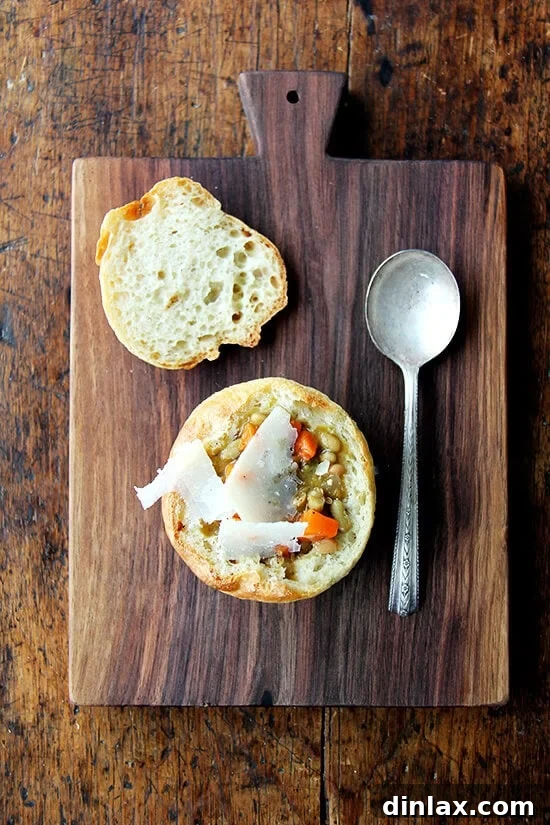
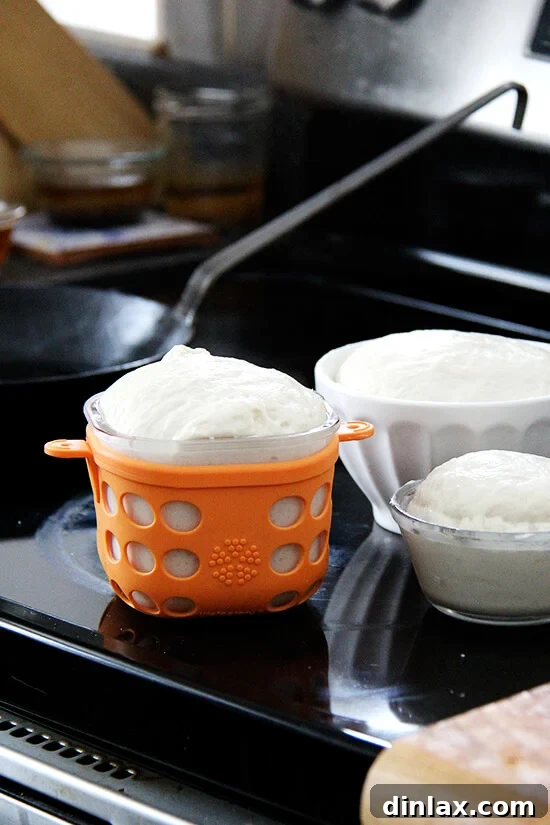
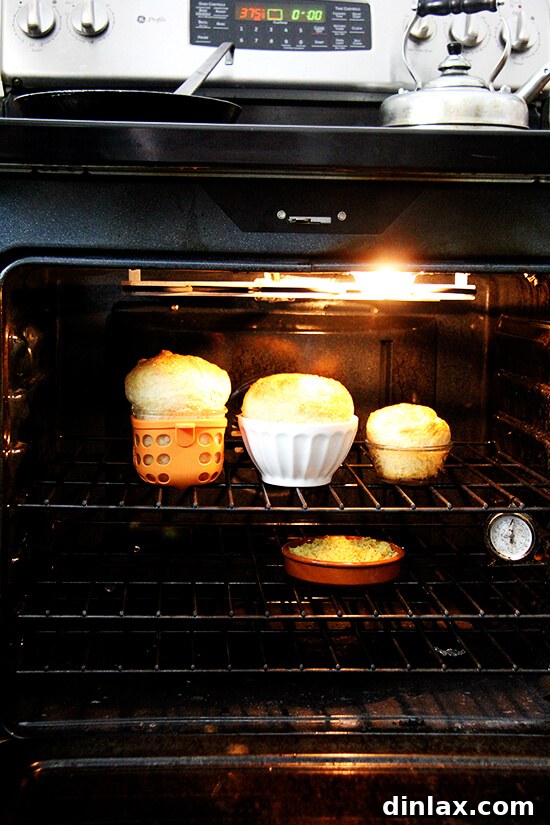
Is serving soup or stew in a bread bowl passé? I certainly hope not, because there’s something inherently delightful and cozy about it! Inspired by the rich, stewy texture of these slow-cooked beans, I embarked on a small experiment to find the perfect vessel for a homemade bread bowl. I tried various options: a 2-cup Lifefactory storage container (the oven-safe one with the orange sheath), a standard oven-proof cereal bowl, and a humble 6-ounce ramekin. The results were clear:
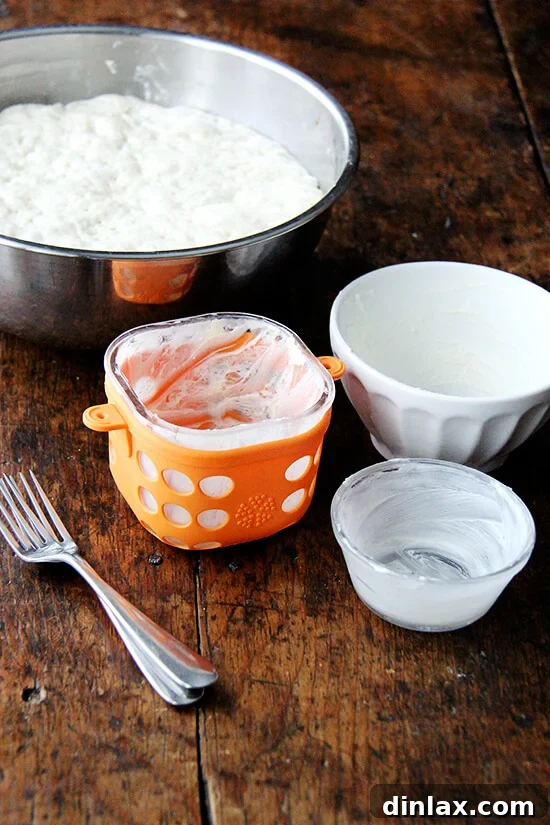
The dough rising beautifully in its molds, promising delicious results.
Golden brown and perfectly shaped bread bowls emerging from the oven.
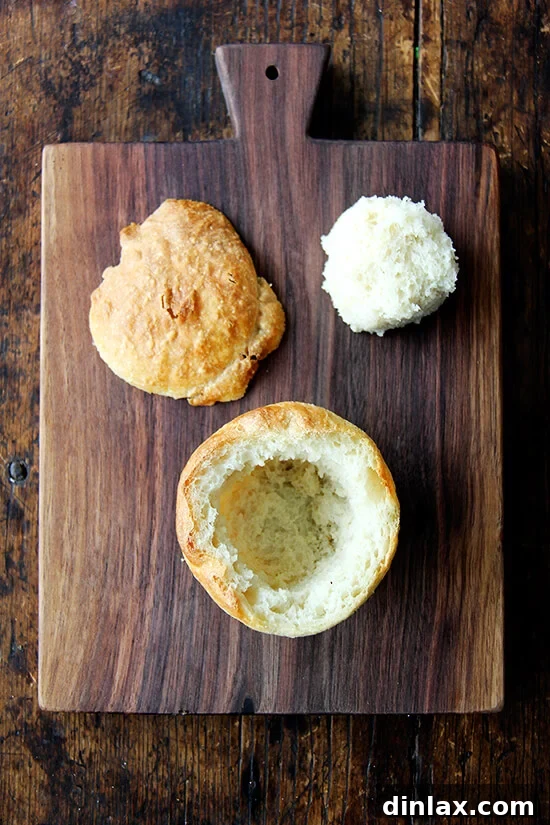
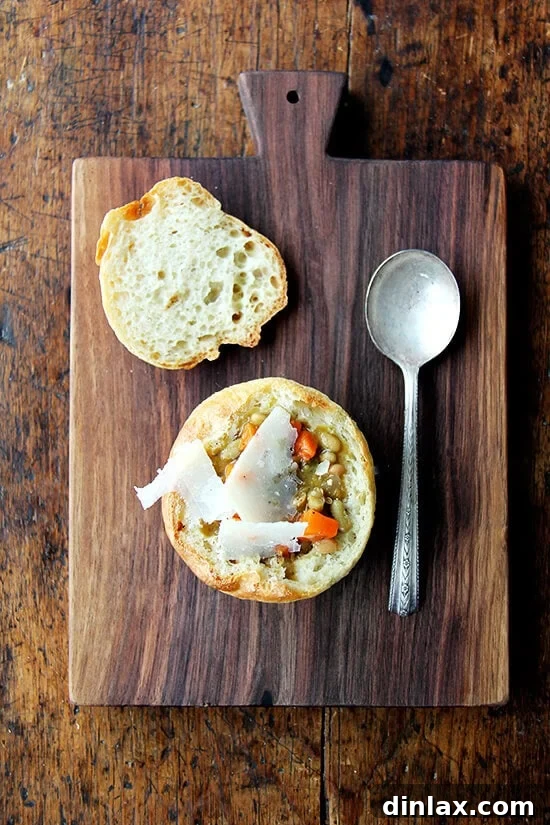
Freshly baked peasant bread bowls, with a beautiful crust and soft interior.

The clear winner was the 6-ounce ramekin. Its size and shape proved ideal for creating individual, perfectly portioned bread bowls, making them not just a novelty but a practical and delightful serving option.
How to Make Homemade Bread Bowls
To craft your own charming bread bowls, follow my popular peasant bread recipe through step 2, which involves mixing the dough and its initial rise. Then, proceed with these steps:
- Prepare the Molds: Preheat your oven to 425ºF (220ºC). Generously grease 6-ounce ramekins or similar oven-safe molds with butter. Ensure every surface is well-coated to prevent sticking.
- Portion the Dough: Divide the prepared peasant bread dough so that each ramekin is filled with dough just below the rim. The dough will expand significantly during the second rise and baking.
- Second Rise: Place the dough-filled ramekins in a warm spot – on top of a slightly warm (but not hot!) oven is ideal. Let them rise for about 20 minutes, or until the dough has gracefully expanded and begins to creep above the rim of the ramekin.
- Bake the Bowls: Bake in the preheated oven for 15 minutes. Then, reduce the oven temperature to 375ºF (190ºC) and continue baking for another 15 to 17 minutes, or until the bread bowls are beautifully golden brown and sound hollow when tapped on the bottom.
- Cool Completely: Carefully turn the baked loaves out onto a wire cooling rack. It’s crucial to let them cool completely before attempting to use them as bread bowls; this allows the crust to firm up and the interior to set.
To Use as a Bread Bowl: Once cooled, use a sharp serrated knife to carefully cut off a small portion of the top, creating a lid. Then, gently use the knife and your fingers to carve out and remove the soft interior bread, creating a cavity. You can save the removed bread for croutons or snacking! Pour your warm, slow-cooked beans (or any soup or stew) into the hollowed-out bread bowl and serve immediately. One batch of the peasant bread recipe typically yields about 6 to 8 bread bowls, possibly more depending on how generously you fill each ramekin.
Beyond Beans: More Seasonal Delights
If you find yourself temporarily “beaned out” or simply looking for other comforting dishes this time of year, allow me to suggest a few other favorites:
- For a truly special poultry dish, consider Ottolenghi’s Roast Chicken with Clementines – it’s bright, aromatic, and perfect for a festive meal or an elevated weeknight dinner.
- Or, if you’re in the mood for another type of satisfying gratin, you absolutely must try this sheet pan mac n’ cheese. It’s a convenient and delicious way to enjoy a classic comfort food with a crispy baked top.
Whether you’re diving into the world of slow-cooked beans, experimenting with gratinéed toppings, baking delightful bread bowls, or exploring other culinary adventures, I wish you all a wonderful and flavorful time in the kitchen. Happy cooking, everyone!