**IMPORTANT UPDATE: Years have passed since the original publication of this article, and the company initially endorsed for vanilla beans, IndriVanilla, has undergone an ownership change. We have recently been alerted by a reader about a negative experience they encountered with the company. Consequently, we can no longer recommend IndriVanilla. This post remains live to share the delightful Buttermilk Panna Cotta recipe, but we strongly advise exploring other reputable sources for your vanilla bean needs.**
For many passionate home bakers and gourmet enthusiasts, the allure of genuine vanilla beans is undeniable. Yet, the often exorbitant prices found in local grocery stores can be a significant deterrent. Who hasn’t paused at the thought of spending upwards of $12 for a single, often dry and uninspiring pod, questioning whether vanilla extract might simply suffice? Until recently, I found myself in this very predicament, having all but abandoned the purchase of whole vanilla beans in favor of more economical alternatives, assuming the difference in flavor would be negligible.
However, this perspective was entirely reshaped by a remarkable discovery that unveiled a world of high-quality, ethically sourced vanilla beans at truly accessible prices. Imagine the delight of finding exquisite, organically grown vanilla beans, certified Fair Trade, that redefine value without compromising on quality. My initial order, comprising a generous count of 19 plump vanilla beans, arrived swiftly, their robust, fleshy forms visible through the protective cryovacked packaging. The total cost, including shipping, was an astonishing $13.50. This unexpected affordability signaled a new era for my baking adventures.
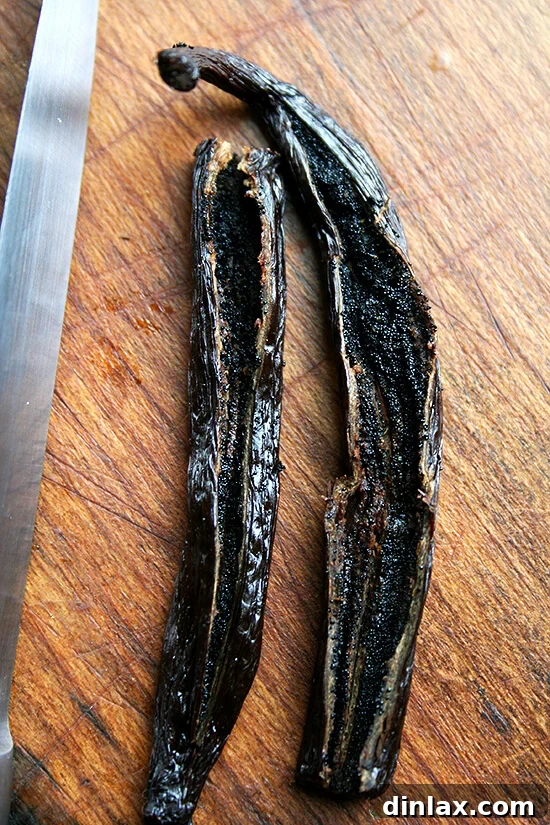
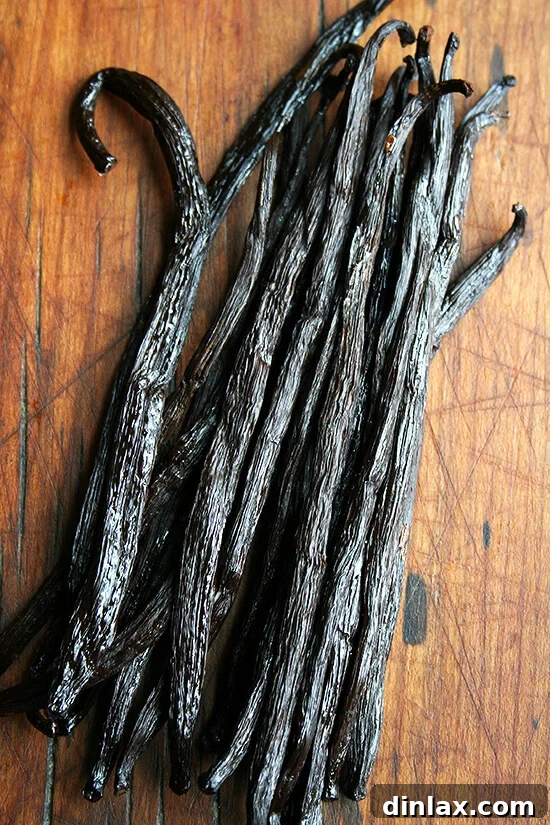
The anticipation was almost unbearable. Though reluctant to break the hermetic seal, the promise of pure vanilla was too strong to resist. With a careful snip of the corner, an intoxicating cloud of rich vanilla aroma enveloped the kitchen, a fragrant prelude to the treasures within. As I gently unfurled the tightly nestled bundle of glistening, dark brown pods, their supple texture and fragrant perfume confirmed their premium quality. But merely holding and inhaling their intoxicating scent wasn’t enough. Driven by curiosity and culinary excitement, I reached for my sharpest knife, making a precise incision along a bean’s length. Gently prying open the seam with the blade unveiled a sight that truly captivated: an abundance of vanilla caviar, glistening and dark. It was an incredible revelation – how could such magnificent vanilla beans cost a mere 50 cents apiece? This unparalleled quality at such an economical price point was a testament to responsible sourcing and dedication to the craft.
Eager to understand the story behind these exceptional beans, I delved deeper into their origin. The initial appeal of the previous supplier lay in their direct-from-farmer purchasing model. This direct line, eliminating costly middlemen, was a key factor in keeping prices remarkably low for consumers. Beyond the economic benefits, the original source highlighted a family-run co-operative deeply committed to sustainable agricultural practices. Their methods included utilizing sheep for natural fertilization and pest control, completely negating the need for harmful pesticides, insecticides, or synthetic fertilizers. While this farm had been cultivating vanilla organically for over a decade, the prohibitive cost of official organic certification prevented them from obtaining the label at that time. This commitment to environmentally friendly and ethical practices resonated deeply, reinforcing the value proposition of these extraordinary beans.
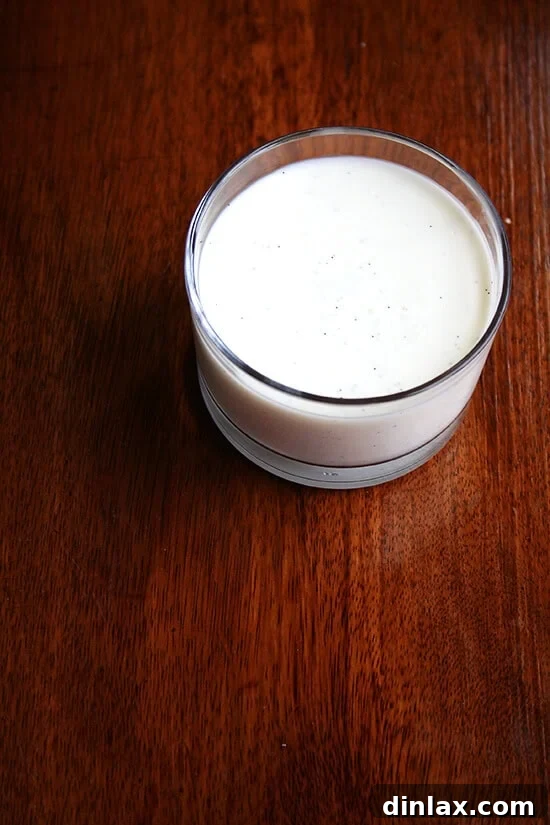
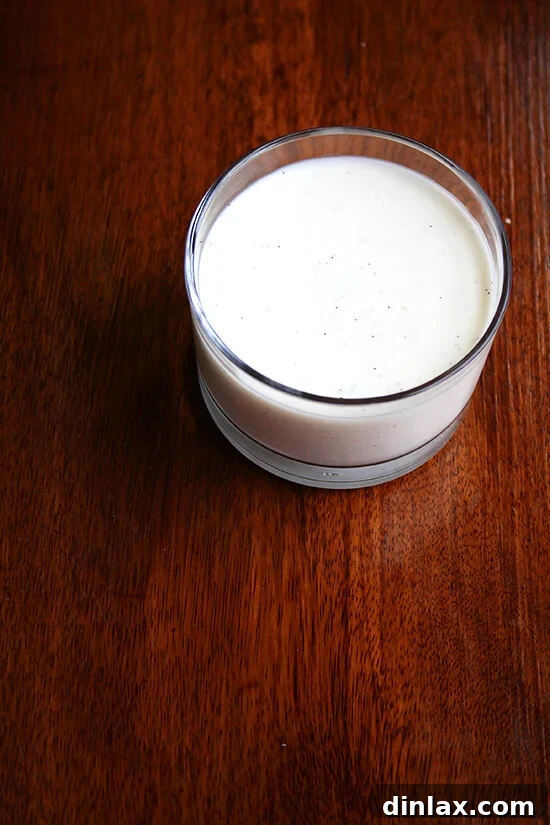
Staring at that freshly split vanilla bean, its tiny, aromatic seeds promising culinary magic, a cascade of dessert ideas flooded my mind. Classic vanilla ice cream, a fragrant homemade vanilla extract, even my cherished Balzano apple cake, all seemed perfect canvases for this superior vanilla. However, my heart was set on revisiting panna cotta. I had recently found my go-to panna cotta recipe a touch too sweet for my evolved palate, and I sought a more refined, balanced version. My search led me to a superb Claudia Fleming recipe on Saveur.com. This recipe, I discovered, was nothing short of perfection. Its creamy texture, elegant simplicity, and sublime flavor profile made it the ideal vehicle to truly showcase the intense, nuanced character of these remarkable vanilla beans.
Although the calendar might still indicate the chill of January, making rich, creamy desserts seem a distant thought, this particular panna cotta recipe is one to bookmark for special occasions. With Valentine’s Day just around the corner, its elegant simplicity makes it an ideal romantic treat. Those familiar with panna cotta know it stands as one of the least complicated yet most impressive desserts to prepare. A significant advantage is its make-ahead potential; it can be prepared several days in advance, allowing for stress-free entertaining. The only “cooking” involved is a brief simmer of cream, making it approachable for even novice chefs. This recipe truly simplifies gourmet dessert creation, proving that sophistication doesn’t have to mean complexity.
Beyond the culinary delights, these exceptional vanilla beans offer another form of expression. If time is a luxury you don’t possess for whipping up a special dessert for a loved one, a beautifully presented bundle of these beans makes a thoughtful and romantic gift. Imagine them tied with a vibrant red ribbon, a symbol of luxury and care. It’s a gesture that speaks volumes, conveying appreciation for fine ingredients and shared culinary passion. Such a gift transcends a simple present; it’s an invitation to explore and savor, embodying warmth and affection in every fragrant pod.
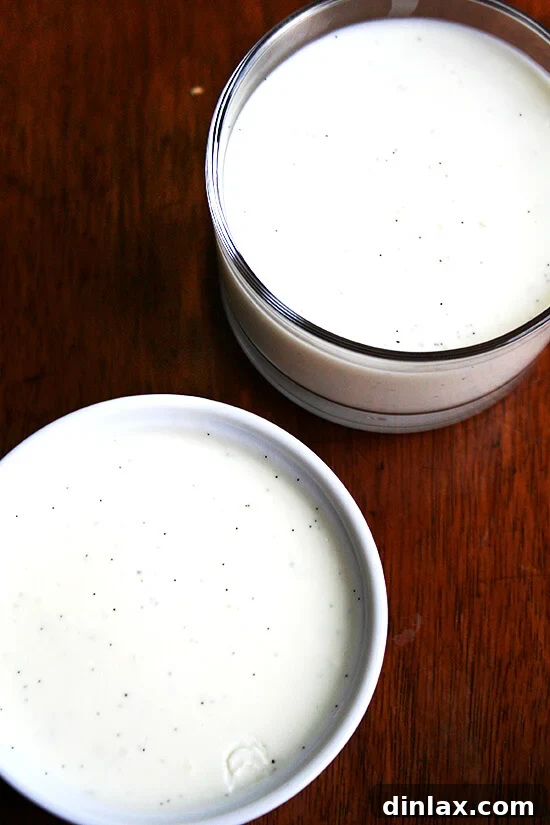
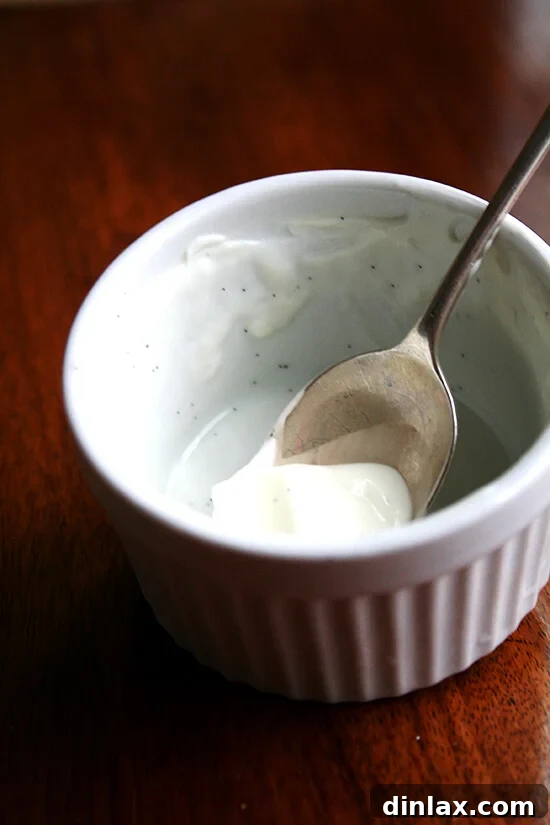
Proper storage is paramount for maintaining the potency and freshness of vanilla beans, especially after their initial packaging has been opened. When these premium vanilla beans first arrive, they are typically secured in a cryovacked pack, which perfectly preserves their moisture and aromatic compounds. Once this seal is broken, ensuring an airtight environment for any unused beans becomes critical. For long-term storage, a FoodSaver vacuum sealing system is an ideal solution, effectively removing air and extending shelf life significantly. However, for those who frequently dip into their vanilla bean supply, repeatedly vacuum-sealing can be a bit cumbersome.
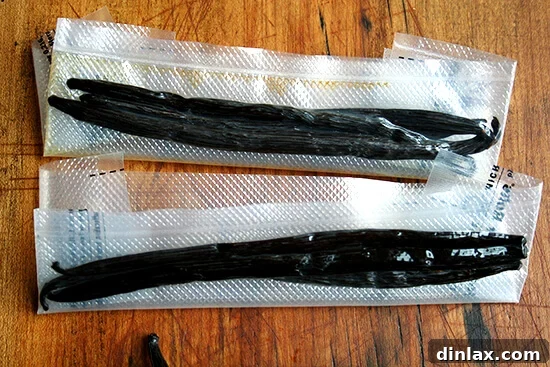
A highly recommended alternative, and one I’ve personally found effective, involves coiling the beans gently and storing them in a glass jar equipped with a rubberized lid and a coiled ring. This method creates a sufficiently airtight seal that helps retain their precious moisture and fragrance. My preferred approach for convenience involves wrapping the remaining beans very tightly in multiple layers of plastic wrap, then placing this bundle into a mason jar. This simple yet effective technique ensures the beans remain incredibly fresh, supple, and ready to impart their rich flavor to your next culinary masterpiece. The image below features what were once referred to as “premium beans” from the former supplier, illustrating the pristine condition in which quality vanilla should be maintained.
Print
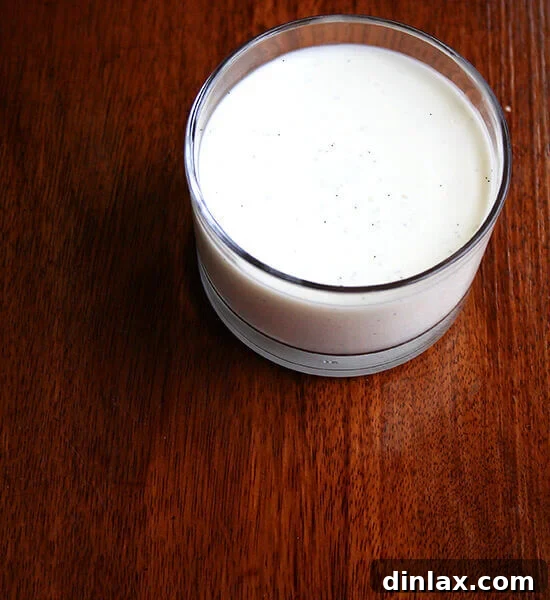
Exquisite Buttermilk Panna Cotta with Fresh Vanilla
5 Stars 4 Stars 3 Stars 2 Stars 1 Star
5 from 1 review
Author: Alexandra Stafford
Total Time: 3 hours 20 minutes
Yield: 6 servings 1x
Description
This exquisite Buttermilk Panna Cotta recipe, adapted from Claudia Fleming’s work as featured on Saveur, offers a perfectly balanced, creamy, and subtly tangy dessert. Panna cotta, meaning “cooked cream” in Italian, is a surprisingly simple yet elegant dessert that beautifully showcases the complex flavors of fresh vanilla beans. Its smooth texture and delicate sweetness make it an ideal canvas for the fragrant vanilla caviar, promising a truly gourmet experience that’s perfect for any occasion, from intimate dinners to festive celebrations.
Source: Claudia Fleming viaSaveur
Notes from Saveur: This recipe is adapted from one in Claudia Fleming’s The Last Course (Random House, 2001). Panna cotta means cooked cream.
Ingredients
- 1 1/2 tsp. unflavored gelatin
- 1 1/4 cups heavy cream*
- 7 tbsp. granulated sugar
- 1/2 vanilla bean pod, split lengthwise and seeds scraped
- 1 3/4 cups cold buttermilk
*Chef’s Note: For a slightly lighter version of this rich dessert, you may consider substituting whole milk (or even 1% or 2% milk) for a portion or all of the heavy cream. While this might subtly alter the final texture, making it slightly less decadent, the wonderful vanilla and buttermilk flavors will undoubtedly still shine through, offering a delightful treat for those preferring a less intense creaminess. Adjustments to setting time may also vary with different fat content.
Instructions
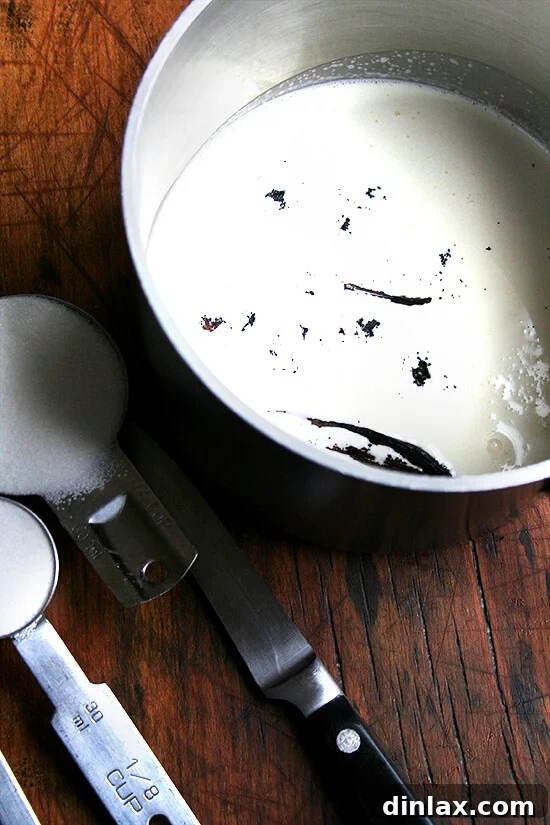
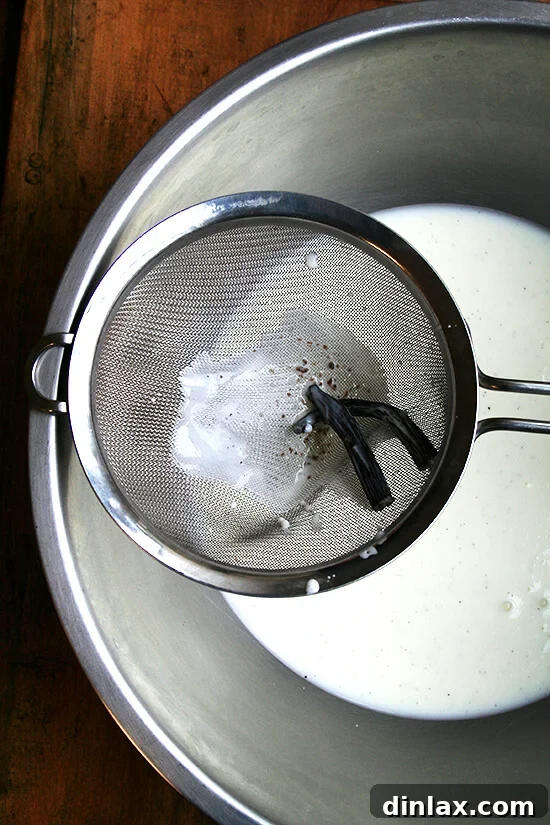
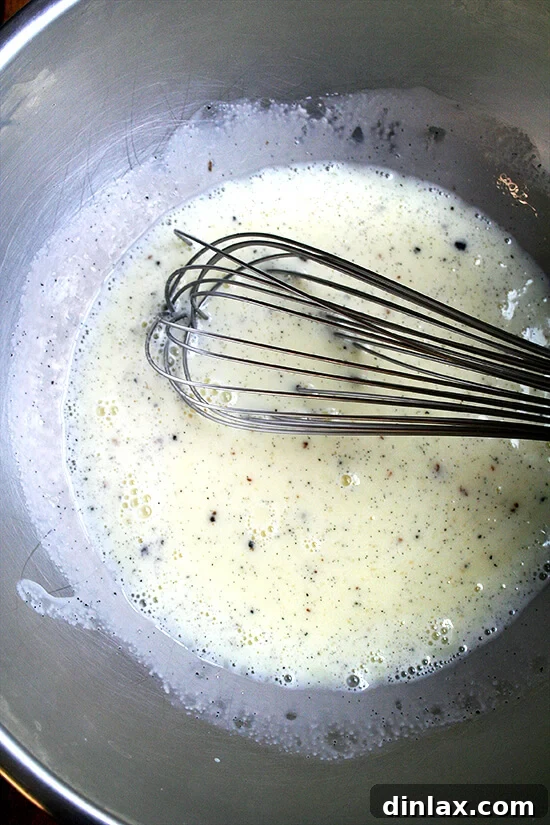
- Begin by preparing the gelatin: in a medium-sized heatproof bowl, sprinkle the unflavored gelatin over 1 tablespoon of cold water. Allow it to soften undisturbed for approximately 5 minutes; this process is called “blooming” and ensures the gelatin dissolves smoothly. Meanwhile, combine the heavy cream and granulated sugar in a small saucepan. With a sharp knife, carefully scrape the tiny, fragrant seeds from the split vanilla bean pod directly into the saucepan. Add the scraped vanilla pod itself to the cream mixture to further infuse its flavor. Heat this mixture over medium heat, stirring continuously until the sugar is completely dissolved, which typically takes about 3 to 5 minutes. Be careful not to let it boil vigorously. Once the sugar has dissolved, remove the cream mixture from the heat and pour it directly into the bowl with the bloomed gelatin, stirring well until the gelatin has fully dissolved into the warm cream. Next, gently stir in the cold buttermilk until fully incorporated. For an exceptionally smooth panna cotta, strain the entire mixture through a fine-mesh sieve into another clean bowl or a liquid measuring cup, ensuring no vanilla bean specks or undissolved gelatin remain.
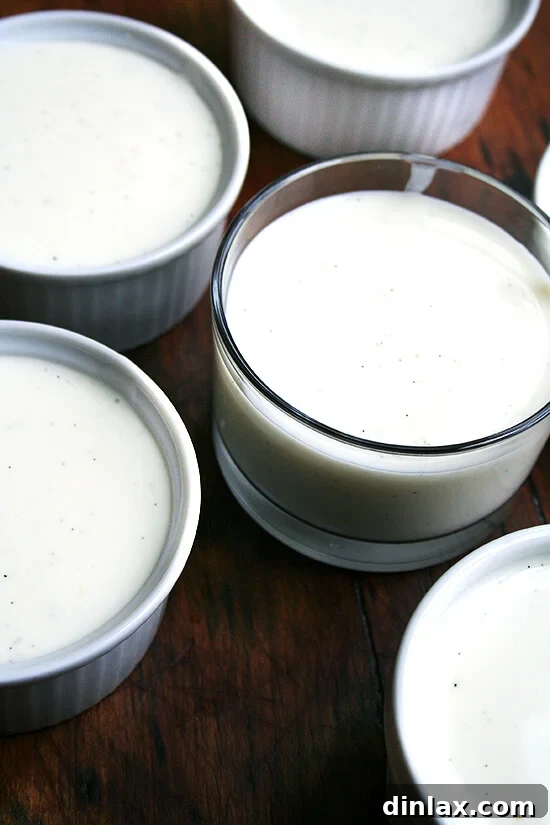
- Carefully divide the prepared panna cotta custard equally among six 8-ounce ramekins or desired serving dishes. Transfer the ramekins to the refrigerator and chill until the panna cotta is completely set and firm, which usually requires about 3 hours. To serve, you have two elegant options:
Option 1 (Unmolding): For a classic presentation, dip the bottom of each ramekin briefly into a shallow dish of hot water (just enough to loosen the edges) for about 10-15 seconds. Then, invert each custard onto individual serving plates.
Option 2 (In-Ramekin Serving): As a personal preference, I often find it charming and convenient to serve the panna cotta directly in their ramekins with a small spoon, allowing guests to enjoy its creamy texture as is.
Whichever method you choose, consider enhancing your panna cotta with a vibrant garnish. Fresh raspberries, blueberries, sliced strawberries, or a delicate sprig of mint add a beautiful pop of color and a fresh, complementary flavor that elevates this already delightful dessert.
- Prep Time: 15 minutes
- Cook Time: 5 minutes
- Category: Dessert, Gourmet, Holiday Treat
- Method: No-Bake, Chilled, Refrigerator
- Cuisine: Italian, European