Embrace Local Eating: A Comprehensive Guide to Sustainable Food Sourcing
For many, the journey into the world of conscious food consumption begins subtly, perhaps with a single book, a documentary, or a chance encounter. Someone once perfectly described it as the “gateway drug,” and I can’t think of a more fitting analogy. This journey, once started, often leads to a profoundly addictive and rewarding exploration of sustainable practices, ethical sourcing, and a deeper connection to our food. Those who have delved into Michael Pollan’s seminal work, The Omnivore’s Dilemma, will undoubtedly understand this transformative experience.
If you haven’t yet embarked on this literary adventure, be prepared for a shift in perspective. Reading it might inspire you to obsessively seek out vendors offering grass-fed beef, scrutinize the “free-range, organic” labels on supermarket chicken, view pristine January produce with newfound skepticism, and willingly accept the higher price point for the unparalleled quality found at local farmers’ markets. More profoundly, it might ignite a desire to visit iconic places like Polyface Farm in Swoope, Virginia, where Pollan himself spent a week learning the intricacies of grass farming from the legendary Joel Salatin. This is precisely what happened to me, setting me on a path that continues to redefine my relationship with food.
My Transformative Visit to Polyface Farm
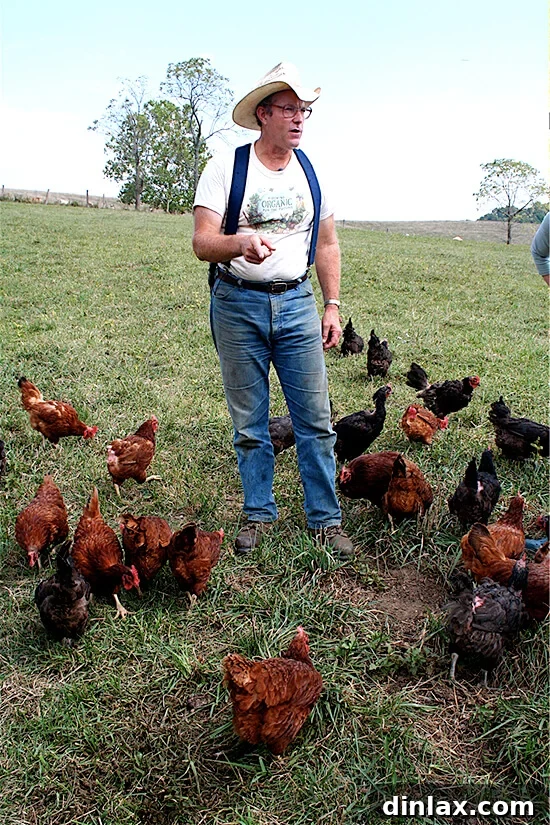
In the fall of 2007, my husband and I journeyed to the picturesque Shenandoah Valley with the simple intention of exploring Polyface Farm for a few hours. Salatin famously extends an open invitation to all, embodying the farm’s core tenet of transparency. Anyone can visit to observe his innovative farming methods firsthand and witness the natural, humane lives of his animals. Serendipitously, our arrival coincided with a scheduled guided tour for a group from Washington D.C., and Salatin, with characteristic generosity, invited us to join. It felt as though the stars had perfectly aligned, leading to one of the most memorable days of my life. Salatin, pictured above with his thriving flock of chickens, proved to be every bit as engaging, witty, and knowledgeable as Pollan’s vivid descriptions suggest.
The farm, powered by the sun and a clever array of mobile devices—such as eggmobiles, gobbledygos, and shademobiles—produces what Salatin famously calls “olive oil pork” and “salad-bar beef.” These terms vividly illustrate his philosophy of moving animals frequently to fresh pastures, mimicking natural ecosystems and enhancing both animal welfare and soil health. For those eager to delve deeper into the wonders of this extraordinarily productive and environmentally conscious farm, you can find more insights into our experience here. Additionally, a visual journey through our visit awaits in a detailed slideshow from our visit here.
The Journey to Eating Locally: Adapting and Thriving
For me, The Omnivore’s Dilemma was indeed the catalyst. Within a week of finishing the book, I had joined a CSA (Community Supported Agriculture) and became a devoted regular at several Philadelphia farmers’ markets. Vibrant hubs like Reading Terminal Market and the Fair Food Farmstand quickly became my trusted sources for humanely raised meat and dairy products, connecting me directly to the origins of my food. This shift naturally led to a more seasonal approach to cooking, where vegetables were celebrated in their purest form, often needing nothing more than a simple drizzle of olive oil and a pinch of salt to highlight their inherent flavors.
Philadelphia, with its robust farm-to-city network, made embracing local eating incredibly accessible. However, our subsequent moves to other locations presented new challenges. Today, our nearest farmers’ market operates just once a week, a full 20 miles away, and specialized shops offering humanely raised meat and dairy are non-existent. Adjusting to these limited options took time and creativity. Yet, by strategically tapping into non-traditional food suppliers and local networks, we have successfully continued to find excellent sources for local fruits, vegetables, and ethically raised meats. This experience underscores a crucial point: eating locally is achievable for everyone, but it often requires commitment, resourcefulness, and a willingness to explore alternative avenues. To help you navigate your own path, I’ve compiled a list of actionable tips and valuable resources below.
Practical Strategies for Sustainable Local Eating
1. Join a Community Supported Agriculture (CSA) Program
If consistent access to a traditional farmers’ market is a challenge, a CSA offers a wonderful alternative for integrating incredibly fresh, often organic, and always delicious vegetables into your diet. CSA stands for Community Supported Agriculture, a mutually beneficial relationship between a farm and the local community members who consume its produce. Originating in Switzerland and formalized in Massachusetts in 1986, the CSA model has flourished, with over 4,000 participating farms across the country today.
Here’s how it works: a community member purchases a “share” of a farm’s harvest before the growing season begins. This upfront investment provides essential operating capital for farmers, allowing them to focus entirely on cultivation rather than marketing during their busiest periods. Shareholders understand that agricultural endeavors involve inherent risks, such as unpredictable weather and labor fluctuations, which can affect the final yield. In return for their commitment, participating families receive the highest quality produce, frequently grown organically, and always picked at the peak of its ripeness and flavor. This direct farm-to-table connection ensures unparalleled freshness and supports the economic viability of local farms.
I have personally participated in CSAs in eastern Pennsylvania, southern California, and northern Virginia, and I cannot overstate their value. The quality and taste of CSA produce are simply superior. When my fridge is stocked with CSA greens, I often find myself grabbing giant mustard greens and munching on them raw—a testament to their freshness and vibrant flavor. The variety and abundance of greens are, in my opinion, a consistent highlight of the CSA experience.
Beyond quality, joining a CSA has often proven more cost-effective for me than shopping exclusively at farmers’ markets. While prices vary by region and farm, CSA shares frequently align with, or even surpass the value of, grocery store prices for comparable organic produce. To find a CSA near you, Local Harvest remains an excellent and comprehensive resource.
It’s important to note that joining a CSA does require some adjustment. You’ll need to be open to trying new, sometimes unfamiliar, vegetables and develop strategies for using them before they spoil. Unlike supermarket produce—which is often bred for shelf life and treated to delay spoilage—CSA vegetables are picked fresh and retain their natural vitality, meaning they may wither faster. This characteristic is a reminder of their purity and lack of artificial preservation. Don’t despair if an odd radish or kohlrabi bulb occasionally desiccates in your fridge; it’s a common learning curve for new CSA members!
To help you make the most of your CSA bounty, these two cookbooks have been invaluable guides for me:
- Alice Waters’ Chez Panisse Vegetables
- Sally Schneider’s A New Way To Cook
2. Invest in a Free-Standing Freezer, Then Buy Meat in Bulk
When my husband Ben and I realized there were no readily available local markets selling grass-fed beef in our new area, we decided to take a more direct approach: we joined a “cowpool.” This involved purchasing a half cow (a steer, actually) from a local farm, which we then split among four families. The significant advantage was not just the ethical sourcing and knowing exactly where our meat came from, but also the remarkable cost-effectiveness. The price per pound for our high-quality, grass-fed meat came out to a mere $3.30, a substantial saving compared to retail prices.
Bulk purchasing of meat, whether it’s beef, pork, or goat, is an excellent strategy for ensuring a steady supply of humanely raised, local protein. It supports local farmers directly and often allows for access to cuts not typically found in conventional grocery stores. However, before you commit to buying a quarter or half an animal, one essential piece of equipment is paramount: a free-standing freezer. This investment is crucial for storing your bulk meat safely and efficiently, ensuring it remains fresh for months.
These resources can help you locate farms or “cowpooling” services near you:
- Eat Well Guide: An invaluable resource for finding sustainable and local food options across the U.S.
Once your freezer is ready, the possibilities for sustainable meat sourcing open up considerably.
3. Befriend a Hunter, Marry a Hunter, or Become One
For those seeking the ultimate connection to their meat source and an incredibly sustainable option, hunting is a path worth considering. My husband, Ben, embraced hunting this past winter, and as a direct result, we enjoyed a continuous supply of venison and duck throughout the colder months. This experience was truly a treat – having an abundance of incredibly tasty, naturally grass-fed meat on hand, free from any artificial additives or questionable farming practices. Moreover, with the exception of the minimal butchering costs, the meat was entirely free, making it an exceptionally economical choice.
Hunting, when done responsibly and ethically, is one of the oldest and most sustainable methods of food procurement. It fosters a deep connection to nature and a profound understanding of the lifecycle of food. It’s an empowering skill that provides self-sufficiency and ensures a truly local protein source. Inspired by individuals like Georgia Pellegrini, also known as Girl Hunter, who eloquently champions responsible hunting, I hope to one day find myself joining the hunt and further deepening my engagement with our food system.
4. Start Composting, Then Plant a Garden
Embracing a more sustainable lifestyle often begins at home, and two incredibly impactful practices are composting and gardening. While I wouldn’t claim to be a composting expert, I am a dedicated practitioner. Throughout the day, I collect banana peels, eggshells, coffee grounds, vegetable trimmings, and any other non-meat organic waste into a bowl. Every evening, this collection is deposited into our “back porch compostumbler.”
While I confess I don’t rigorously adhere to the precise carbon-to-nitrogen ratios often recommended for optimal composting, my simple system consistently works for us. Roughly every month, my accumulated waste—which, by my estimation, is about 90% eggshells and coffee grounds—transforms into a rich, dark substance resembling compost. This informal approach, while not textbook perfect, effectively diverts a significant amount of waste from landfills and reduces our need for trash bags, which is always a positive outcome. Our compost tumbler (pictured below) is compact, doesn’t attract animals, and fits seamlessly into our urban living space.
Composting becomes particularly practical and rewarding when paired with gardening. Even without a natural “green thumb,” I’ve experienced surprising successes with simple cinderblock gardening. This method is incredibly approachable for beginners and allows for growing a variety of herbs and vegetables in a manageable space. Gardening, even on a small scale, offers immense satisfaction: the joy of harvesting your own food, the unparalleled freshness, and the complete control over what goes into your soil. It’s a tangible way to connect with the food you eat and contribute to a more sustainable household. For those interested in starting their own small garden, here are some resources from my own journey:
- How to Build a Cinderblock Garden
- Garden Update I
- Garden Update II
Valuable Resources for Your Local Eating Journey
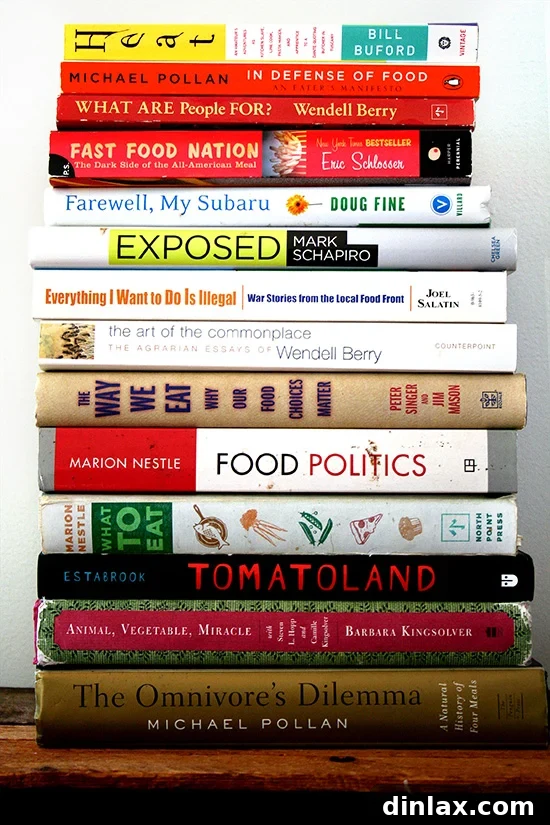
Embarking on a journey towards more local and sustainable eating is an enriching experience. To further support your efforts, I’ve compiled a list of influential books and organizations that have significantly informed and inspired my own path. These resources offer deeper insights into food systems, ethical consumption, and practical guidance for making informed choices.
Recommended Books:
- Michael Pollan’s The Omnivore’s Dilemma: A profound exploration of America’s food choices.
- Michael Pollan’s In Defense of Food: A manifesto for eating real food.
- Barbara Kingsolver’s Animal Vegetable Miracle: A family’s year of eating locally.
- Marion Nestle’s What to Eat: A comprehensive guide to making sensible food choices.
- Marion Nestle’s Food Politics: How the food industry influences nutrition and health.
- Eric Schlosser’s Fast Food Nation: The dark side of the all-American meal.
Essential Cookbooks for Seasonal Eating:
- Alice Waters’ Chez Panisse Vegetables: A celebration of vegetable-centric cooking.
- Amelia Saltsman’s The Santa Monica Farmers’ Market Cookbook: Recipes inspired by the bounty of local markets.
- Christopher Hirsheimer’s The San Francisco Ferry Plaza Farmers’ Market Cookbook: A culinary journey through a renowned farmers’ market.
Key Organizations and Websites:
- Local Harvest: Find local food, farmers’ markets, CSAs, and more.
- American Grassfed Association: Promoting and supporting grassfed producers.
- Eat Well Guide: A free online directory of sustainably raised food.
- Farm Sanctuary: Protecting farm animals and promoting compassionate vegan living.
- Food and Water Watch: Standing up for safe food, clean water, and a healthy planet.
- Polyface Farm: The innovative farm of Joel Salatin, practicing regenerative agriculture.
- Seafood Watch: Helps consumers make ocean-friendly seafood choices.
- Slow Food: A global grassroots organization linking the pleasure of food with a commitment to community and environment.
Embarking on the journey of eating locally is more than just a dietary choice; it’s a commitment to health, community, and the planet. By adopting these strategies and utilizing the resources available, you can transform your relationship with food, discover new flavors, and contribute to a more sustainable future, one local bite at a time.
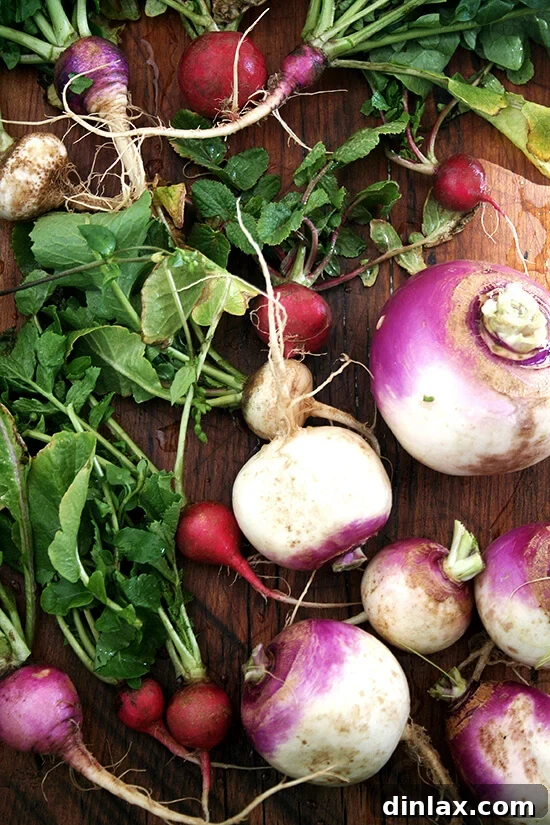
Produce from our California CSA: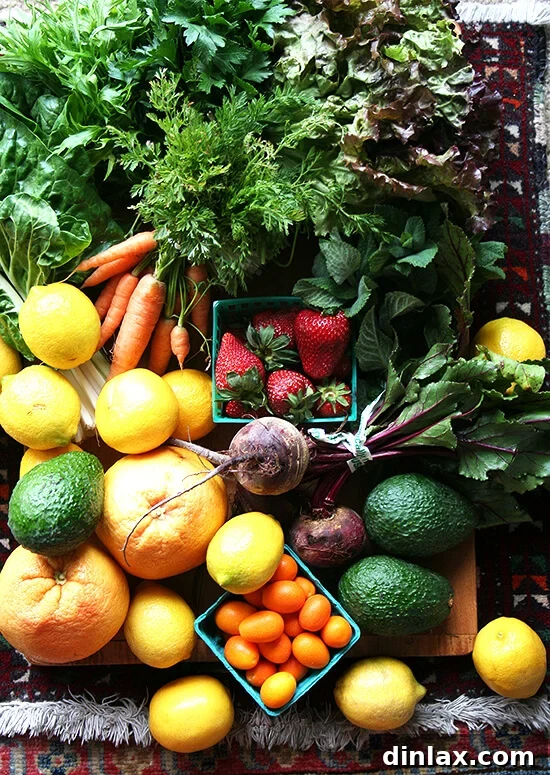
A free-standing freezer is essential for bulk meat purchases, like a half or quarter cow.
Ethically sourced meat in the freezer, from a quarter cow: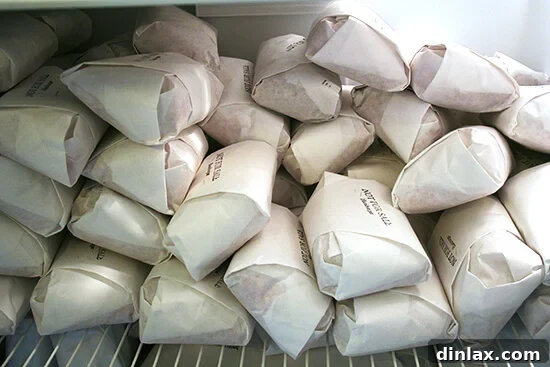
Our practical back porch compostumbler, aiding in waste reduction: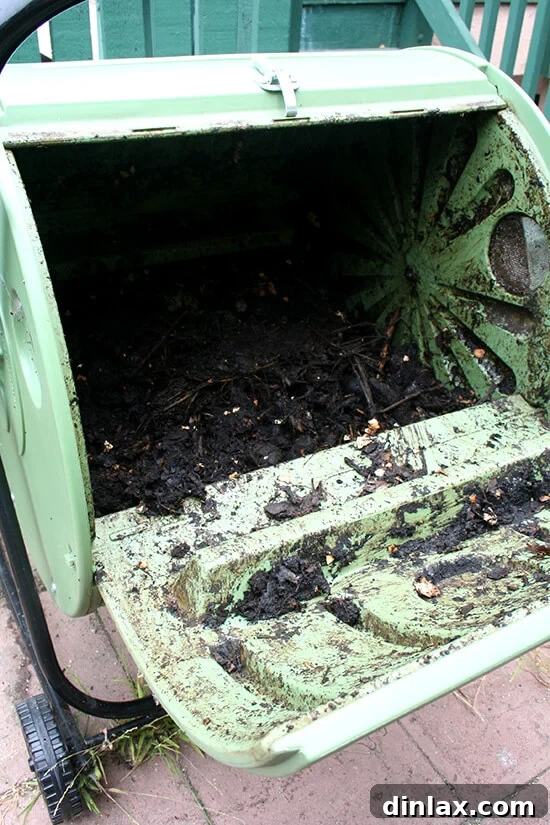
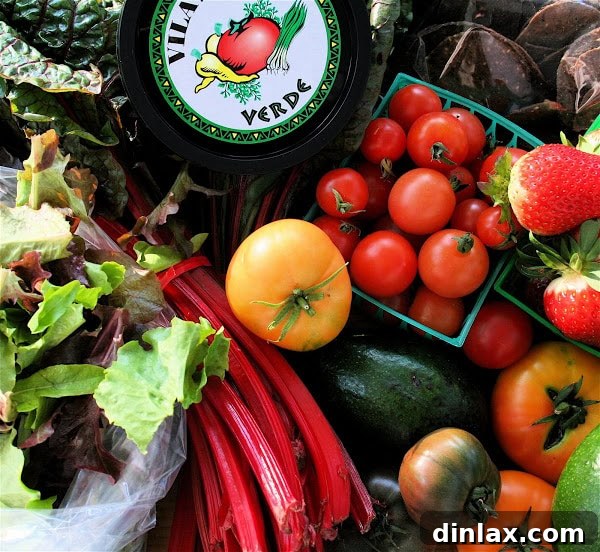
Fresh lettuce from our Morning Song Farm CSA in California: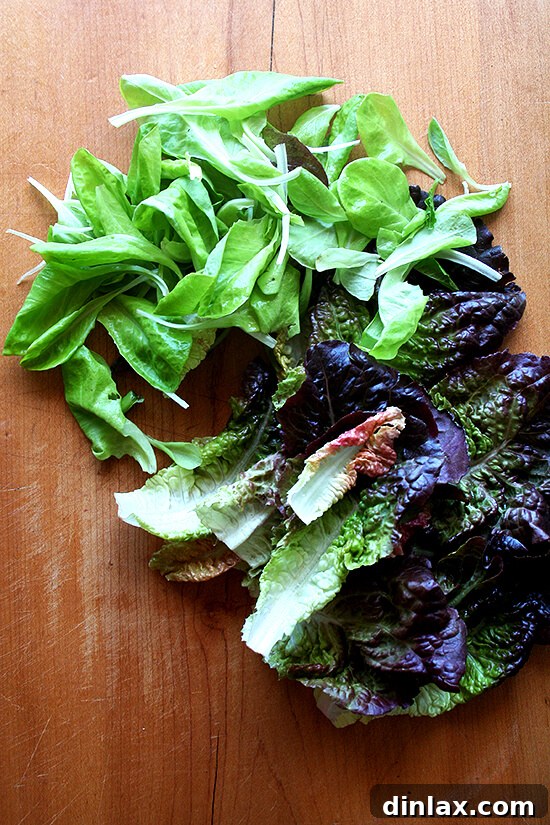
Beautiful produce from our current CSA – Olin Fox Farms in Reedville, VA:
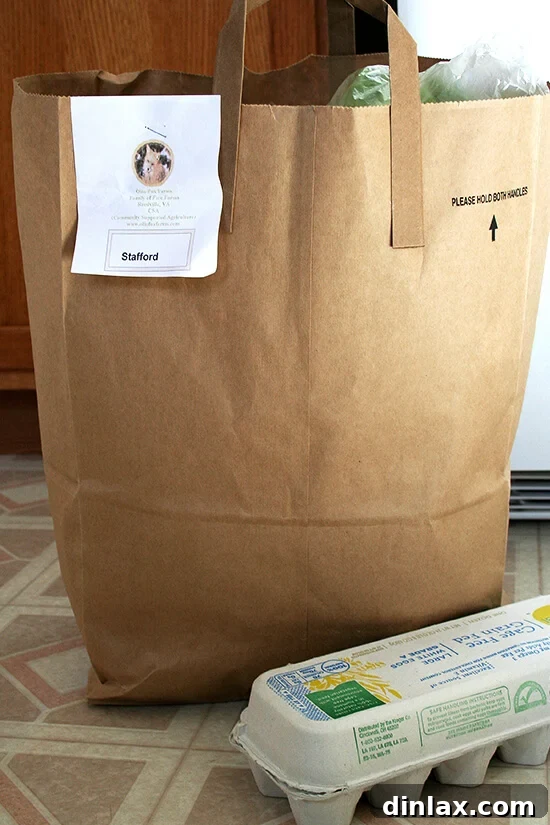
The unparalleled joy of picking up our bi-weekly produce share, complete with delicious fresh eggs. Friday morning breakfast is always a special treat.