Greetings, fellow food enthusiasts!
There are some culinary discoveries that simply demand to be shared, and my recent foray into Deb Perelman’s latest masterpiece, Smitten Kitchen Keepers: New Classics For Your Forever Files, has led me to one such revelation. It all began on a dreary Sunday afternoon, amidst the rhythmic patter of rain against the car window on my drive home. With a stack of new cookbooks in hand, Deb’s book quickly rose to the top of my must-explore list. Little did I know, it would soon introduce me to a pound cake recipe that would redefine my understanding of this beloved classic dessert.
My culinary adventure with Smitten Kitchen Keepers started with a recipe for broccoli rabe with broken burrata. After a weekend filled with rich pies and festive drinks, I was craving something fresh and vibrant. This dish, bursting with garlicky flavor and a hint of spice, perfectly balanced by the creamy burrata, was an absolute delight. I found myself making it multiple times throughout the week, convinced it would be the gem I’d share with all of you.
Next, I tackled the simple black bean chili. Its unique method, involving broiling peppers, onions, and garlic before puréeing them, created a depth of flavor far beyond what one would expect from a quick weeknight meal. My family adored it, and I thought, “Surely, this is the one!” Both of these recipes were exceptional, proving the cookbook’s immediate value. Yet, something even more extraordinary was waiting in the wings.
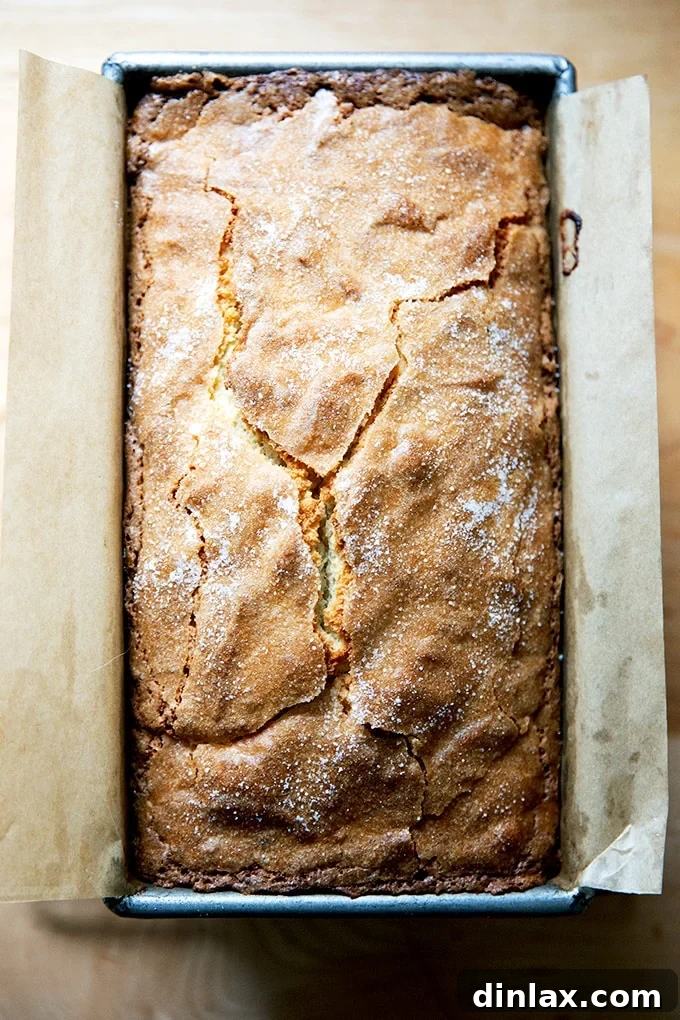
Then, my friends, I discovered the recipe for the “better-than-classic” pound cake, and everything changed.
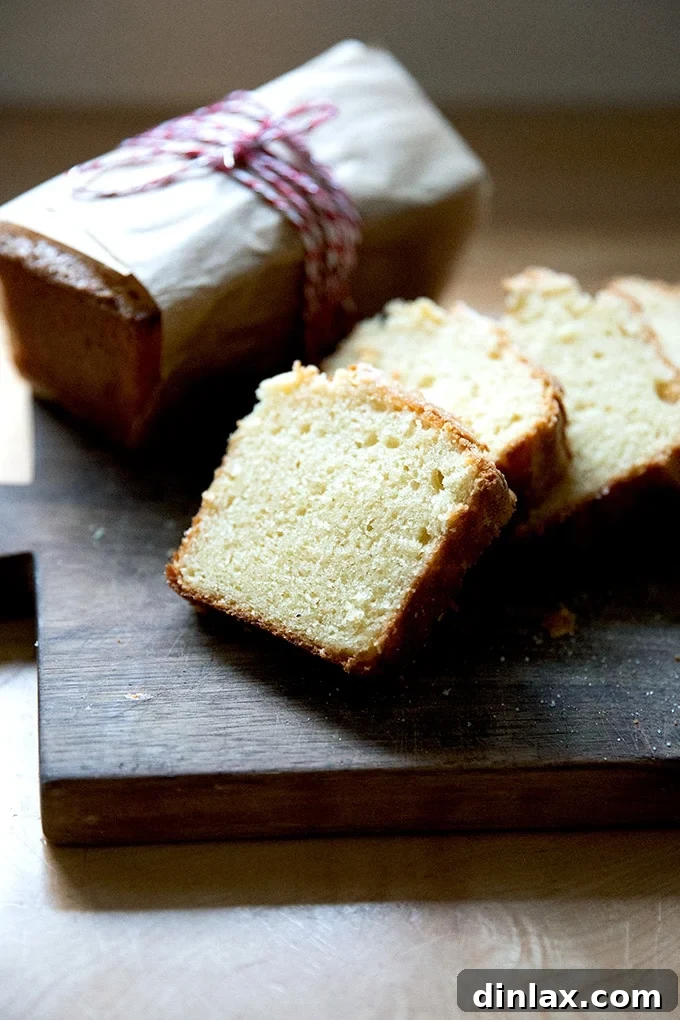
The moment this golden-crusted loaf cooled enough to be sliced, my son, engrossed in his math homework, took his first bite. His reaction was priceless: head thrown back, eyes closed, a contented slump in his chair, followed by a blissful, “It’s so good, Mom.” The audible “mmmms” emanating from the kitchen quickly drew my daughters from their corners, and their unanimous verdict was clear: this was the best cake they had ever tasted. Deb Perelman introduces this recipe with a bold promise: she wants it to be “the last pound cake recipe you’ll ever need.” Having tasted it, I can confirm, she has succeeded with flying colors. This isn’t just a recipe; it’s a testament to simple perfection.
What Makes This Pound Cake Truly Exceptional?
Beyond its incredible flavor and texture, what truly sets this pound cake apart is its ingenious simplicity. The best part? It’s a one-bowl wonder, requiring minimal fuss and cleanup. Forget the tedious process of creaming butter and sugar until light and fluffy. This recipe calls for melted butter, a detail Deb strongly emphasizes. Resisting the urge to beat the butter and sugar vigorously is crucial, as this particular method contributes to the cake’s incredibly rich, dense, and moist crumb—a texture that defines the ultimate pound cake experience. This approach not only streamlines the baking process but also ensures a superior final product, making it accessible even for novice bakers.
A Cake That Gets Better With Time (If It Lasts!)
Another remarkable characteristic of this Smitten Kitchen Keepers pound cake is its supposed ability to improve with age. Deb herself attests that it tastes even better on days two and three. While I can confirm the “allegedly” part with a chuckle—this cake has never survived more than a single day in our household—the idea of a cake that develops more flavor over time is certainly appealing. This characteristic makes it an ideal candidate for holiday baking or entertaining. You can bake it a day or two in advance, freeing up precious time on the day of your gathering, and trust that your guests will be treated to a dessert that’s only grown more delicious.
More Treasures from Smitten Kitchen Keepers
My positive experiences weren’t limited to the pound cake. I also tried the charred salt and vinegar cabbage, which my husband Ben and I thoroughly enjoyed. It’s clear that *Smitten Kitchen Keepers* is a cookbook filled with reliable, innovative, and utterly delicious recipes. From its engaging writing to its practical culinary wisdom, it’s a collection that truly belongs in everyone’s kitchen library. If you’re a long-time fan of Deb Perelman’s work, you’ve likely already added this one to your collection. But if you haven’t yet, what are you waiting for? Treat yourself, or consider it the perfect gift for any food lover this holiday season. Its pages are overflowing with culinary treasures that promise to become staples in your home for years to come.
How to Bake the Best One-Bowl Pound Cake: A Step-by-Step Guide
Ready to experience the magic of this easy, incredibly moist pound cake? Here’s a detailed guide to creating this “better-than-classic” dessert in your own kitchen.
1. Gather Your Ingredients and Prepare Your Pan
First things first, gather all your ingredients to ensure a smooth baking process. This recipe thrives on simplicity, so quality ingredients are key. Don’t forget to properly prepare your loaf pan – a crucial step for easy release and a beautifully shaped cake.
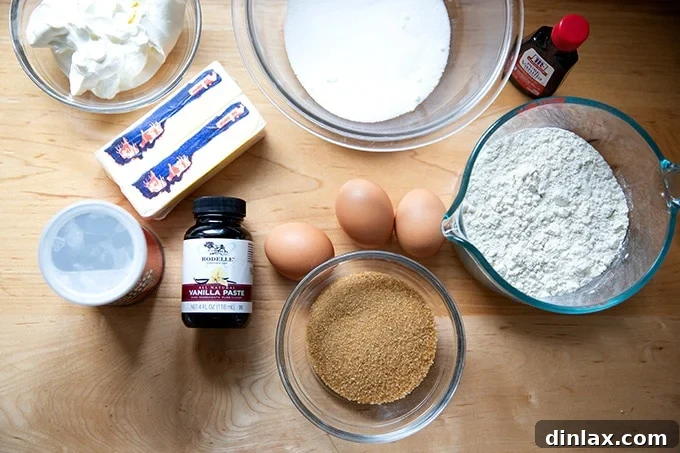
2. The Wet Ingredients: Whisking to Perfection
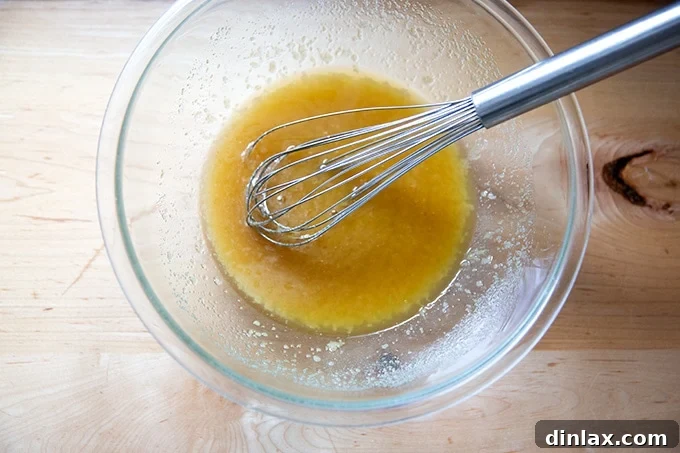
In your large mixing bowl, combine the melted butter, both granulated and turbinado sugars, and salt. Whisk these together until they are well incorporated. The melted butter is the secret to this cake’s unique texture, so resist any urge to cream it. This simple whisking technique is all you need to create the foundational richness of the batter.
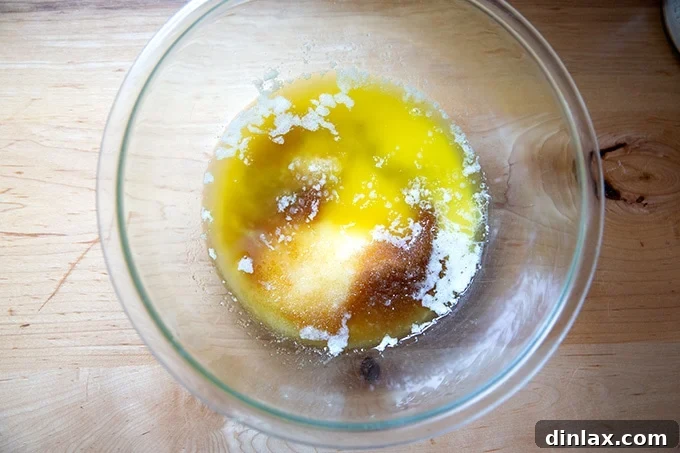
3. Incorporating Eggs and Flavor Boosters
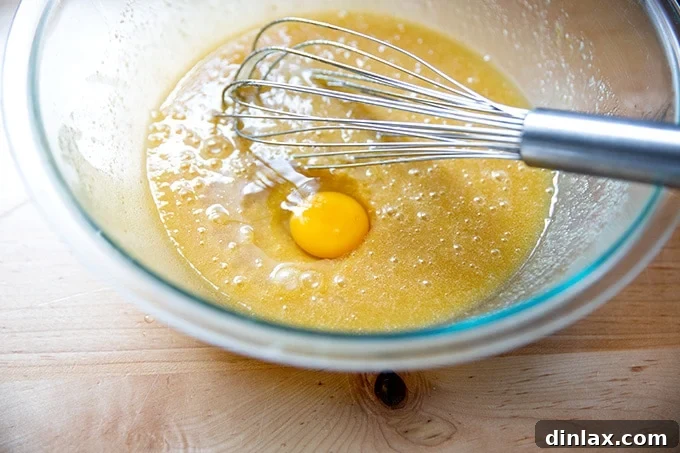
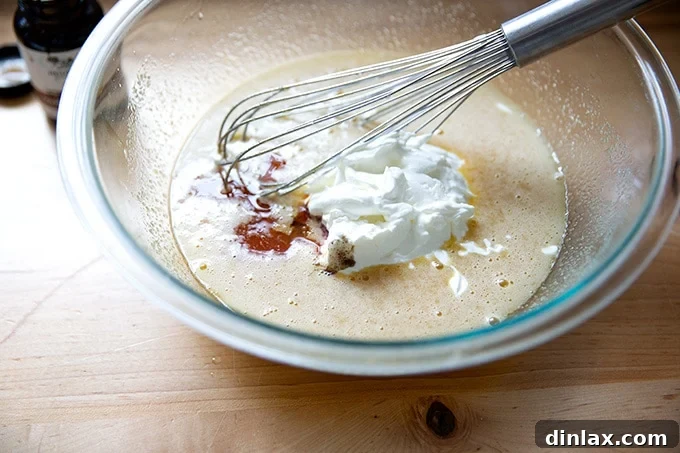
Next, add the three large eggs, one by one, whisking thoroughly after each addition to ensure they are fully integrated into the batter. This gradual addition helps create a smooth emulsion. Then, introduce the sour cream, vanilla extract, and if you have it, vanilla bean paste for an extra layer of gourmet flavor. Continue whisking until the mixture is beautifully smooth and uniform.

4. Adding the Leavening Agent
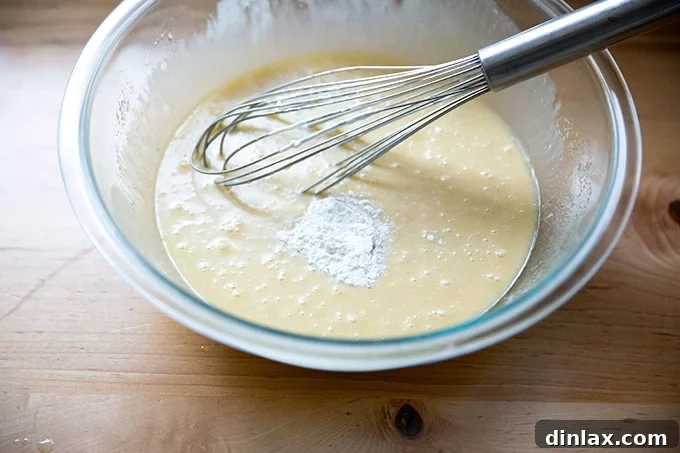
Now, sprinkle the baking powder evenly over the surface of the wet ingredients. Whisk it in thoroughly, going beyond just making it disappear. This ensures the baking powder is perfectly dispersed throughout the batter, which is key for a consistent rise and that characteristic tender crumb. The goal is even distribution, not just mixing until visually gone.
5. Folding in the Flour
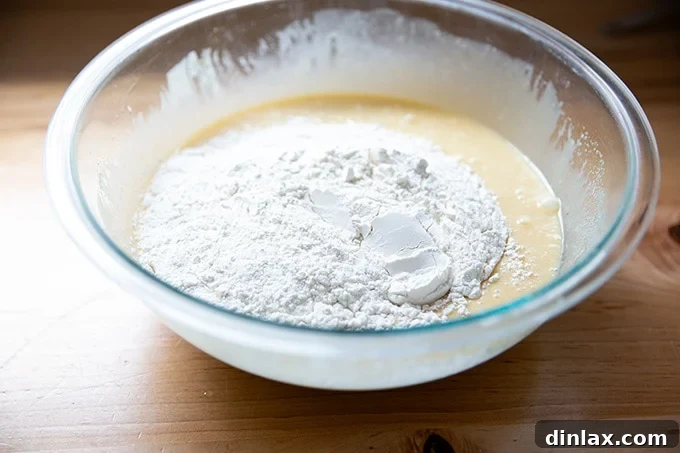
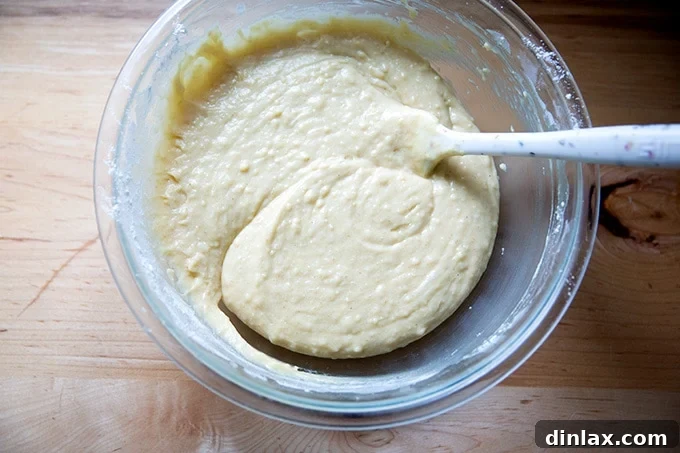
Finally, add the all-purpose flour to the bowl. Using a spatula, gently stir the flour into the wet ingredients just until it is absorbed and no dry streaks remain. Be careful not to overmix, as this can lead to a tough cake. The goal here is a tender crumb, and gentle mixing is essential to achieve it. The batter will be thick and luxurious.
6. Preparing for the Oven: Pan and Topping
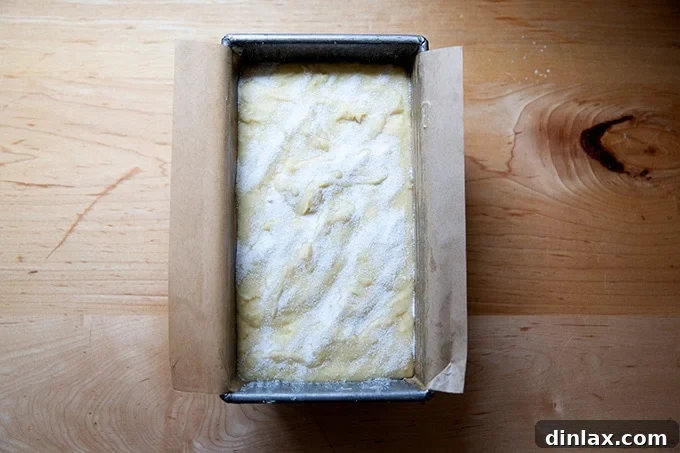
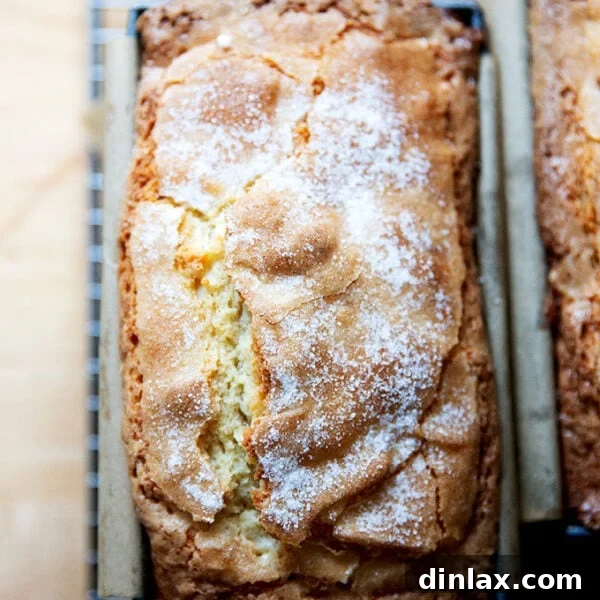
Once your batter is ready, transfer it into your prepared loaf pan. Smooth the top with a spatula. For that signature glistening, slightly crunchy crust, sprinkle the surface generously with granulated sugar. This simple topping adds an extra layer of texture and sweetness that beautifully complements the rich cake.
7. Exploring Variations: Mini Loaf Pans
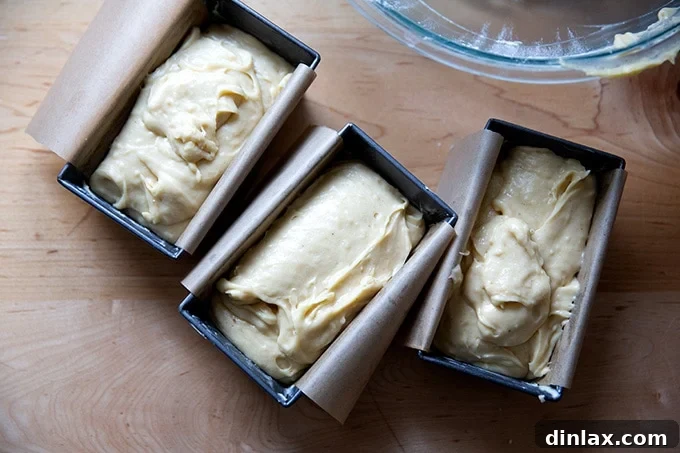
If you’re thinking of gifting this delightful pound cake or simply prefer smaller portions, this recipe works beautifully in mini loaf pans. The baking time will be significantly reduced, so start checking for doneness earlier. See the full recipe card below for specific details on baking times for different pan sizes. Mini loaves make for charming gifts and are perfect for individual servings.
8. The Sugar Topping Experiment: Granulated vs. Turbinado
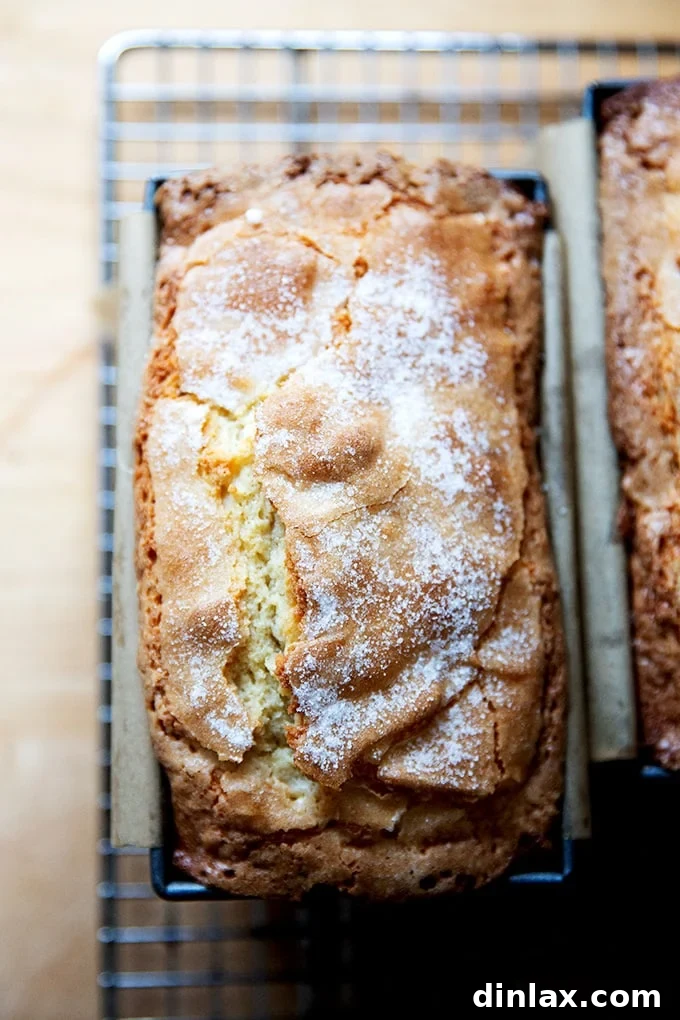
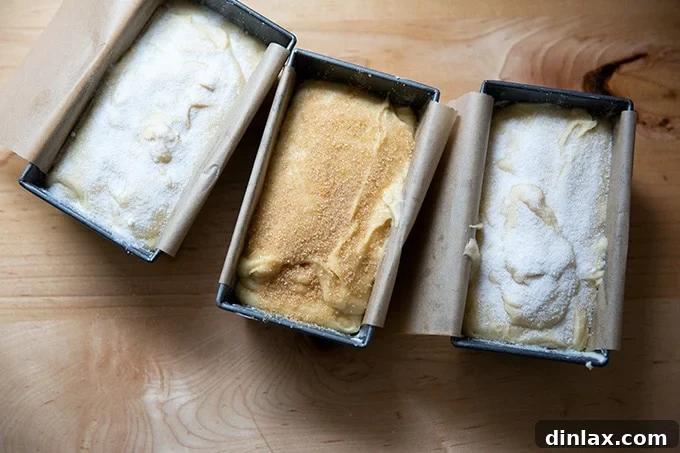
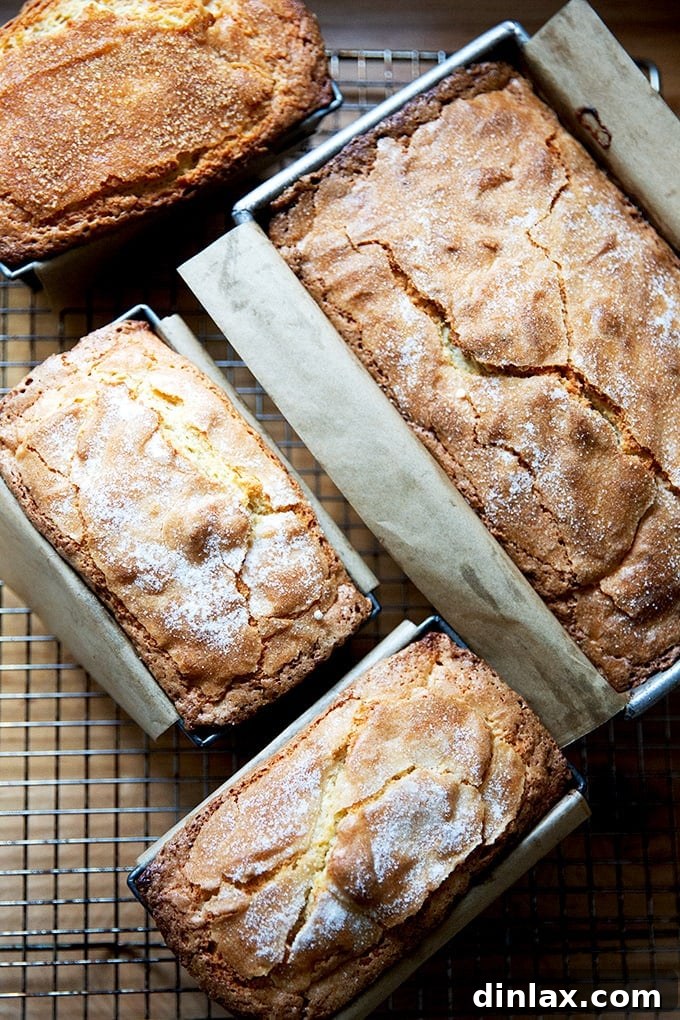
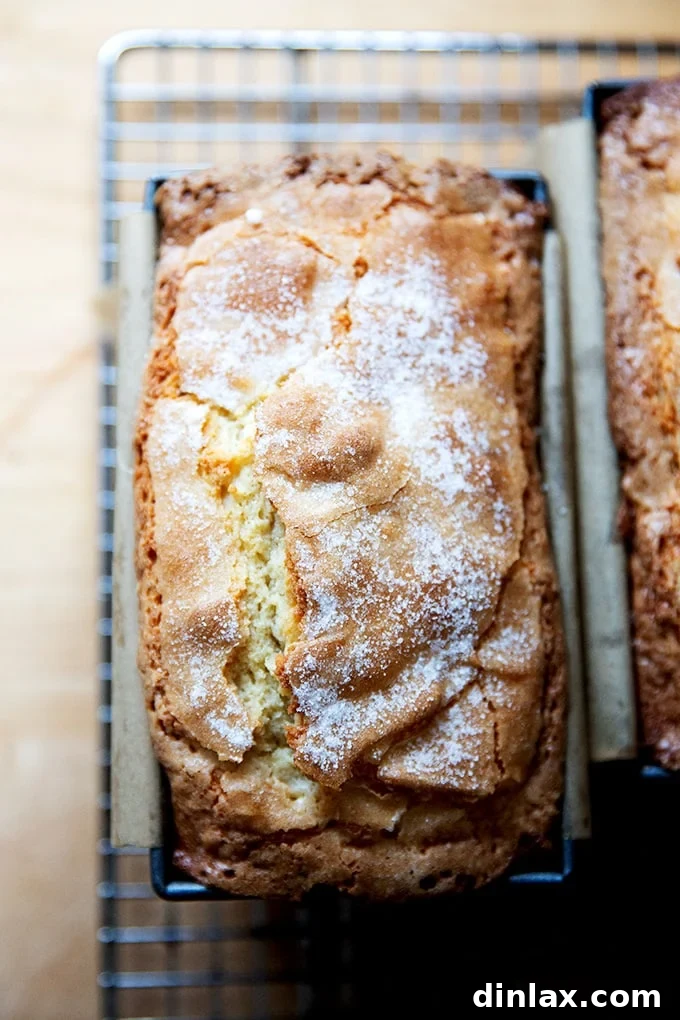
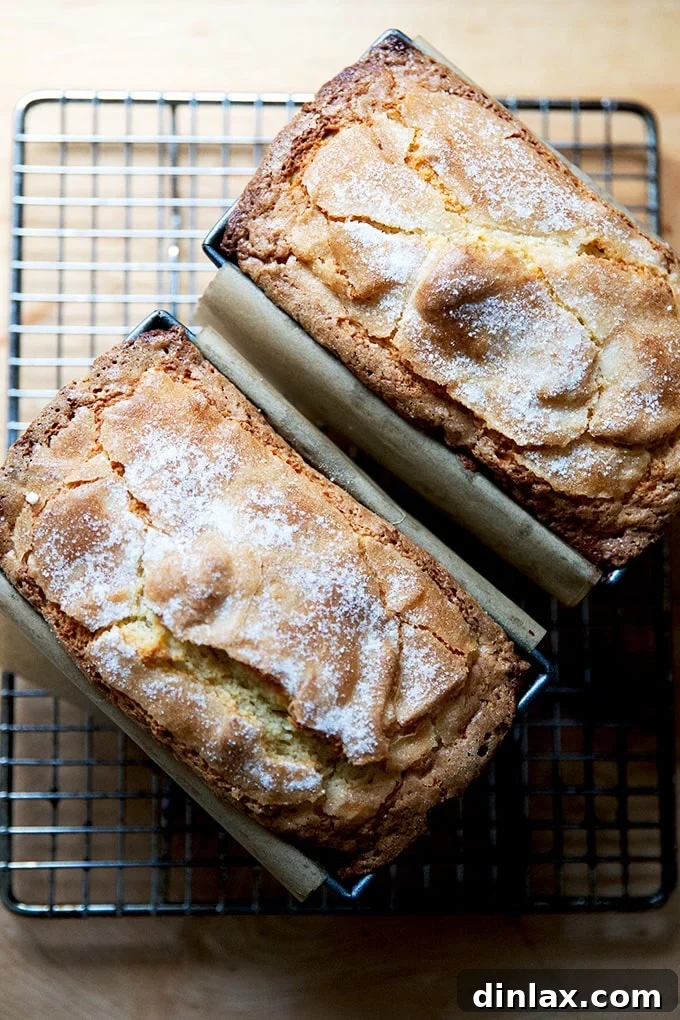
Given the inclusion of turbinado sugar in the batter, I naturally experimented with sprinkling it on top of some mini cakes as well. While turbinado sugar adds a rustic crunch, I ultimately preferred the classic, delicate sparkle and crispness that granulated sugar provides. The granulated sugar creates a lighter, more refined finish that truly elevates the visual appeal of the pound cake. You can see the difference in the photo below, where the turbinado-topped cake is in the upper left-hand corner.
Serving Suggestions and Gifting Ideas
This “better-than-classic” pound cake is incredibly versatile. Enjoy it plain, as its rich flavor and moist texture truly shine on their own. For an elevated experience, serve it with fresh berries and a dollop of whipped cream, or a drizzle of lemon glaze. It pairs perfectly with a cup of coffee or tea for a delightful breakfast or afternoon treat. Given its exceptional quality and easy preparation, it’s also a fantastic candidate for gifting.
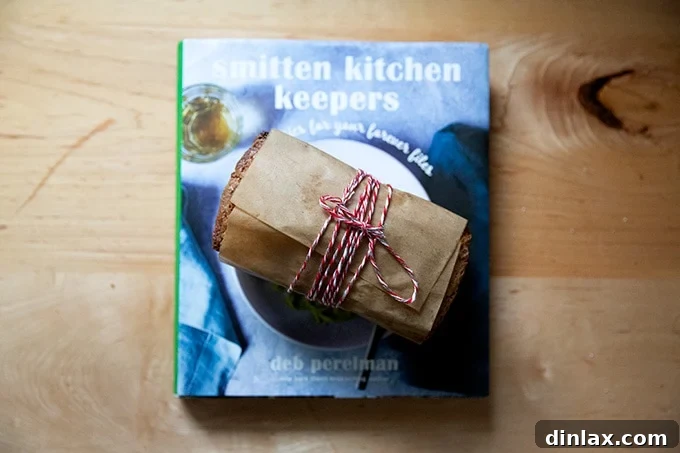
As I mentioned, Smitten Kitchen Keepers is an absolute must-have. No one would be disappointed to receive a copy this holiday season. Pair it with a beautifully wrapped mini loaf of this extraordinary pound cake, and you’ve got a gift that’s not just thoughtful, but truly memorable – a gift that is, quite literally, the icing on the cake!
Print
Better Than Classic Pound Cake (One Bowl, Hand Mixed)
5 Stars 4 Stars 3 Stars 2 Stars 1 Star
4.9 from 60 reviews
Total Time: 1 hour 25 minutes
Yield: 1 loaf 1x
Description
This “better-than-classic” pound cake recipe, directly inspired by Deb Perelman’s phenomenal Smitten Kitchen Keepers, delivers an unbelievably moist and rich crumb with minimal effort. It’s a one-bowl, hand-mixed marvel that promises to be the last pound cake recipe you’ll ever need. Perfect for any occasion, from simple family desserts to elegant holiday gatherings, this cake consistently receives rave reviews.
Notes for Success:
- Loaf Pan Size: You will need a 6-cup capacity loaf pan. I highly recommend a 9×5-inch USA Loaf Pan (1.25 lb) for optimal results. If your pan is smaller, be cautious not to overfill it; you may need to bake any excess batter in a muffin tin or a smaller loaf pan.
- Mini Loaf Pans: This recipe adapts beautifully to mini loaf pans. I used three mini loaf pans for the photos, but depending on their exact size, you might need more or fewer. Always check for doneness sooner than with a full-sized loaf.
- Disposable Options: For easy gifting or cleanup, you can use disposable paper loaf pans. Ensure you measure the capacity before purchasing, as sizes vary.
- Sugar Topping Preference: While the recipe includes turbinado sugar in the batter, my preference for the topping is granulated sugar. It creates a finer, more delicate crunch and a beautiful visual sparkle compared to the coarser texture of turbinado sugar on the crust. Feel free to experiment if you prefer, but I recommend sticking with granulated for that classic look.
Ingredients
- 1 cup (225 g) unsalted butter, melted and cooled slightly
- 1 cup (200 g) plus 1 tablespoon (15 g) granulated sugar (divided)
- 1/2 cup (110 g) turbinado or packed light-brown sugar
- 2 teaspoons (6 g) kosher salt
- 3 large eggs
- 1 cup (240 g) sour cream
- 1 1/2 to 2 teaspoons vanilla extract (use the smaller amount if you’re also using vanilla bean paste)
- 1/2 teaspoon vanilla bean paste, optional (for enhanced vanilla flavor)
- 2 teaspoons baking powder
- 2 cups (260 g) all-purpose flour
Instructions
- Preheat your oven to 350ºF (175ºC). Generously coat a 6-cup loaf pan (refer to notes above for pan size recommendations) with nonstick spray or butter. Line the pan with a sling of parchment paper, ensuring it extends up the two long sides; this will aid in easy removal of the baked cake.
- In a large mixing bowl, thoroughly whisk together the slightly cooled melted butter, 1 cup of the granulated sugar, all of the turbinado sugar, and the kosher salt. Add the eggs one at a time, whisking vigorously after each addition to fully incorporate them. Next, stir in the sour cream, vanilla extract, and the optional vanilla bean paste until the mixture is smooth and well combined. Sprinkle the baking powder evenly over the batter’s surface, then whisk many more times than you think necessary to ensure it’s completely dispersed throughout the mixture, guaranteeing an even rise. Finally, add the all-purpose flour and gently stir with a spatula just until it’s absorbed and no dry streaks remain. Avoid overmixing, as this can develop the gluten too much and result in a tough cake.
- Carefully scrape the prepared batter into your loaf pan. Gently tap the pan on your counter a couple of times; this helps to release any trapped air bubbles, ensuring a dense, even crumb. Smooth the top of the batter with your spatula and then sprinkle the remaining 1 tablespoon of granulated sugar evenly over the surface for that beautiful, crisp crust (as discussed in the notes, this is my preferred topping).
- Bake the pound cake for approximately 1 hour and 10 to 15 minutes. Begin checking for doneness when a skewer inserted into various parts of the cake comes out clean, free of wet batter. If you are baking in smaller mini loaf pans, start checking much earlier, typically around the 30-minute mark. My three mini loaves were perfectly baked in about 42 minutes total. Once baked, allow the cake to cool completely in the pan before attempting to remove it. Run a thin knife along the short sides of the cake, then use the parchment sling to gently lift the cake out for effortless slicing.
- For optimal freshness and flavor, store the cake at room temperature. It can be kept for up to 5 days. Deb Perelman suggests storing it directly in its loaf pan with the top uncovered to maintain its desirable crisp crust. If you’ve sliced it, she recommends pressing a piece of foil only against the cut side of the loaf to prevent it from drying out while preserving the top’s texture.
- Prep Time: 15 minutes
- Cook Time: 70 minutes
- Category: Dessert
- Method: Oven
- Cuisine: American