From Pantry to Perfection: Upcycling an Anchovy Tin into a Stylish Lamp and Crafting a Gourmet Vinaigrette
In an era increasingly conscious of sustainability and mindful consumption, finding new life for everyday items brings immense satisfaction. What if a simple pantry staple could inspire not one, but two incredible transformations? This journey begins with a humble tin of salt-packed anchovies, which, once savored, becomes the muse for a charming piece of home decor and the foundation for an exquisite culinary creation. Join us as we explore the unexpected synergy between DIY craftsmanship and gourmet cooking, proving that true value often lies beyond the obvious.
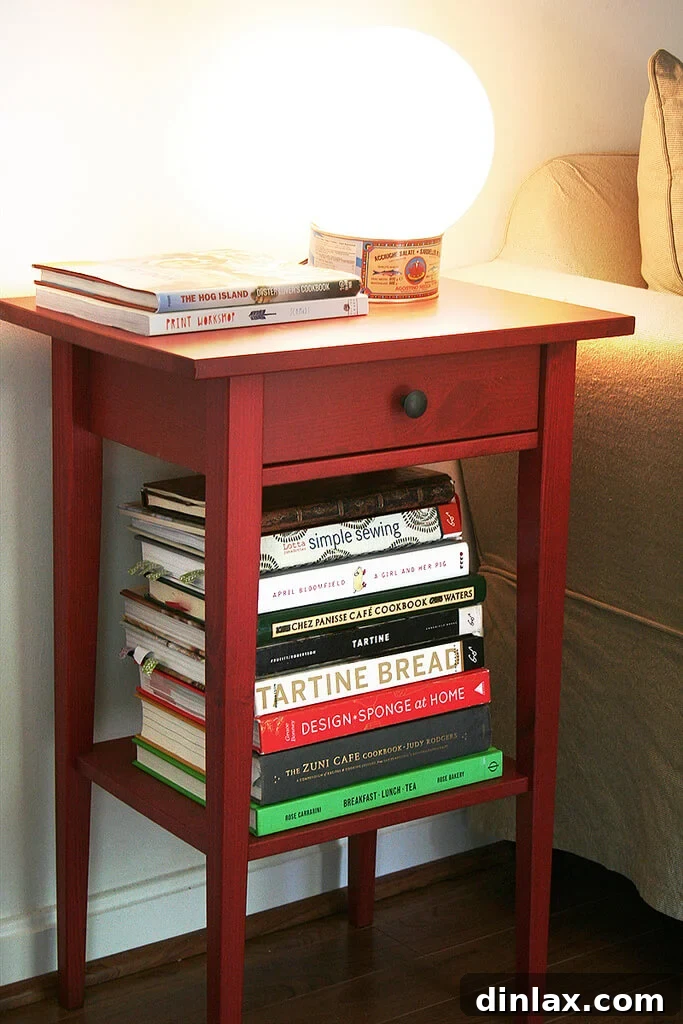
The allure of upcycling struck me profoundly a few weeks ago after encountering a captivating post on Apartment Therapy. My eyes immediately landed on the elegant, empty anchovy tin that had been patiently awaiting its fate on my kitchen counter for what felt like an eternity. Instantly, I knew its cluttering days were over; its destiny was to become something far more luminous. With a quick trip to Home Depot for essential electrical components and a couple of minor electrical mishaps (resulting in a few blown fuses, a testament to the authentic DIY spirit!), my very own anchovy tin lamp, lovingly guided into existence by Ben, now proudly casts a warm glow from my living room side table, illuminating a cherished stack of books below. It might not possess the glossy perfection of the original inspiration, but its unique charm and the story behind it fill me with an unparalleled sense of accomplishment and joy.
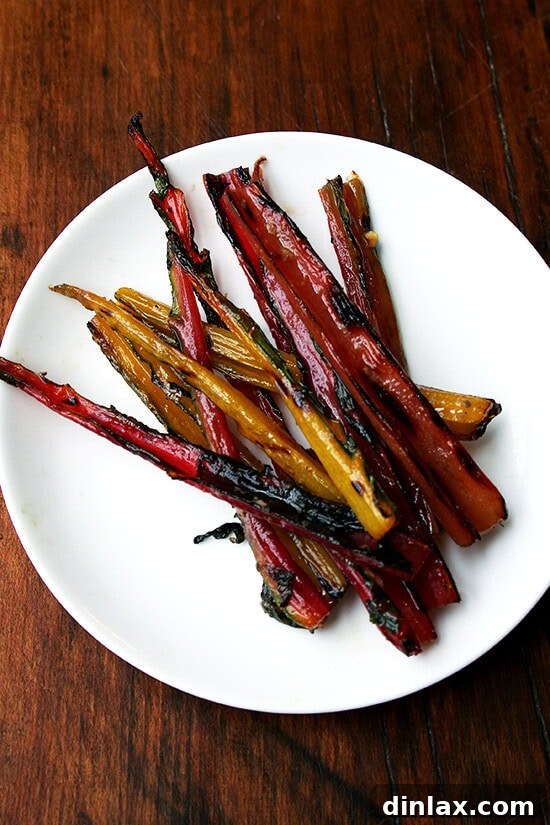
Yet, the journey doesn’t end with a beautifully repurposed lamp. The very ingredient that provided the vessel for my crafting endeavor also led to a culinary revelation. With the DIY project complete, it felt only right to dive into the world of anchovy vinaigrette – a tantalizing recipe I had first stumbled upon months ago on Food52. This particular dressing, hailing from the renowned Chef Anna Klinger of Al Di La restaurant in Brooklyn, is nothing short of brilliant. It ingeniously transforms often-overlooked and discarded Swiss chard stems into a vibrant, flavorful dish, showcasing a profound commitment to zero-waste cooking. While rescuing these humble vegetable scraps from the trash bin is a truly genius application, the pungent, savory depth of this vinaigrette promises to elevate an array of grilled vegetables—from crisp endive and tender escarole to robust romaine and sweet spring onions—and an impressive selection of meats, particularly succulent skirt or hanger steak. This article delves into both these inspiring transformations, offering insights and tips for your own adventures in upcycling and gourmet cooking.
The Art of Repurposing: Crafting Your Own Anchovy Tin Table Lamp
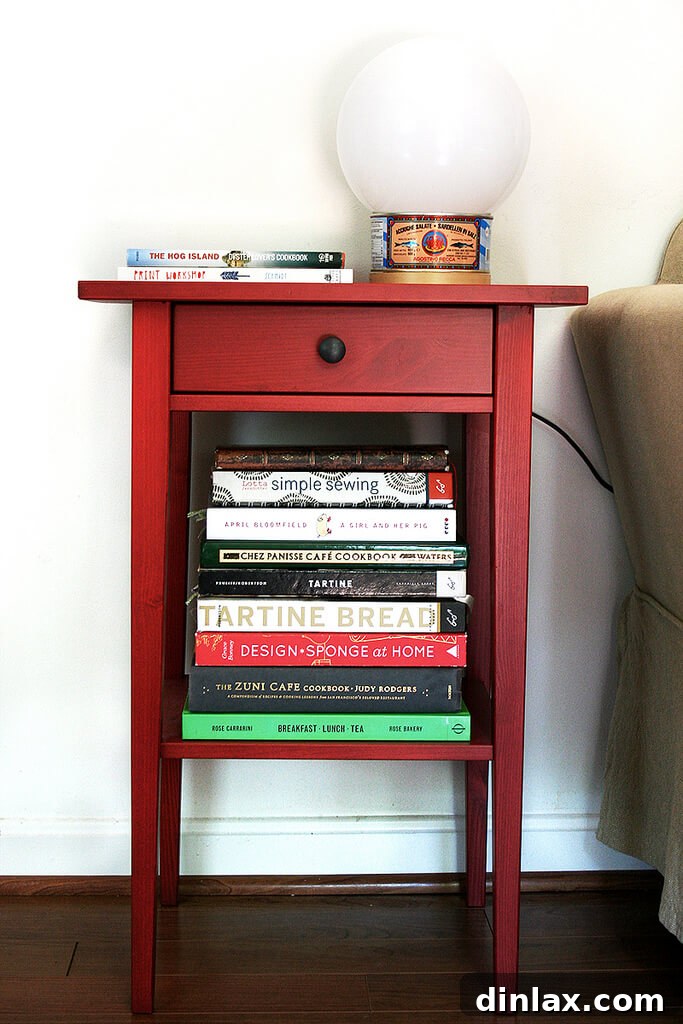
The journey from a discarded food container to a functional and aesthetically pleasing home accessory is a testament to the power of creative thinking and sustainable living. My inspiration for the anchovy tin lamp emerged from the vibrant pages of Apartment Therapy, a well-known hub for innovative home decor ideas and DIY projects. The concept was simple yet brilliant: transform the distinctive, often decorative, tin packaging of high-quality salt-packed anchovies into a unique lighting fixture. This project is not just about making a lamp; it’s about embracing the philosophy of upcycling, reducing waste, and imbuing your living space with personalized touches that tell a story.
Embarking on this DIY adventure began with a clear vision and a necessary visit to a local hardware store. Gathering the right electrical components – a basic lamp kit, appropriate wiring, and a suitable small light bulb – was the first crucial step. For those new to basic electrical work, a word of caution and a recommendation for patience (and perhaps a supportive helper like my friend Ben!) are definitely in order. The initial attempts might lead to minor setbacks, such as those delightful blown fuses I personally experienced, but these moments are part of the learning process and ultimately contribute to the profound satisfaction of a successfully completed project. The elegance of the finished lamp, with its compact size and subtle glow, makes it an ideal addition to a side table, a bookshelf, a nightstand, or even a desk, offering a warm ambient light that enhances the cozy atmosphere of any room.
Why Upcycle? More Than Just a Lamp
The decision to repurpose an empty anchovy tin into a lamp extends beyond mere aesthetics. It’s a conscious choice with multiple benefits:
- Sustainable Living: In an era where environmental consciousness is paramount, repurposing items like anchovy tins significantly reduces waste. Instead of contributing to overflowing landfills, you’re actively giving an object a second, valuable life, embodying the ‘reduce, reuse, recycle’ mantra.
- Unique Home Decor: Mass-produced items often lack character and individuality. A DIY anchovy tin lamp is a unique conversation starter, a bespoke piece that truly reflects your creativity, ingenuity, and personal style, adding an inimitable charm and personality to your home.
- Cost-Effective Solutions: Crafting your own decor can be far more economical than purchasing designer lighting fixtures or decorative pieces. The primary cost for this project is usually a readily available lamp kit, making it an accessible and budget-friendly project for most households.
- The Joy of Creation: There’s an immense sense of pride, accomplishment, and fulfillment that comes from creating something functional and beautiful with your own hands. Every time you switch on your anchovy tin lamp, you’ll be reminded of your ingenuity, effort, and the unique story behind it.
- Personalized Touches: Upcycling allows you to infuse your living space with items that have personal meaning. The anchovy tin, perhaps from a memorable meal, becomes a cherished object rather than just trash.
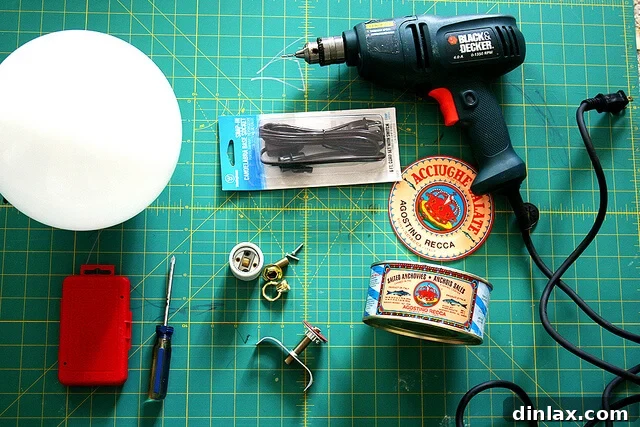
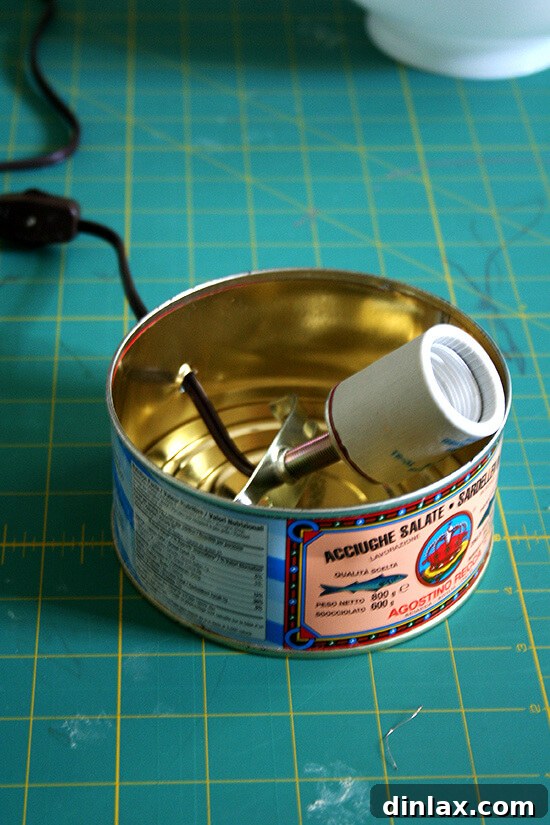
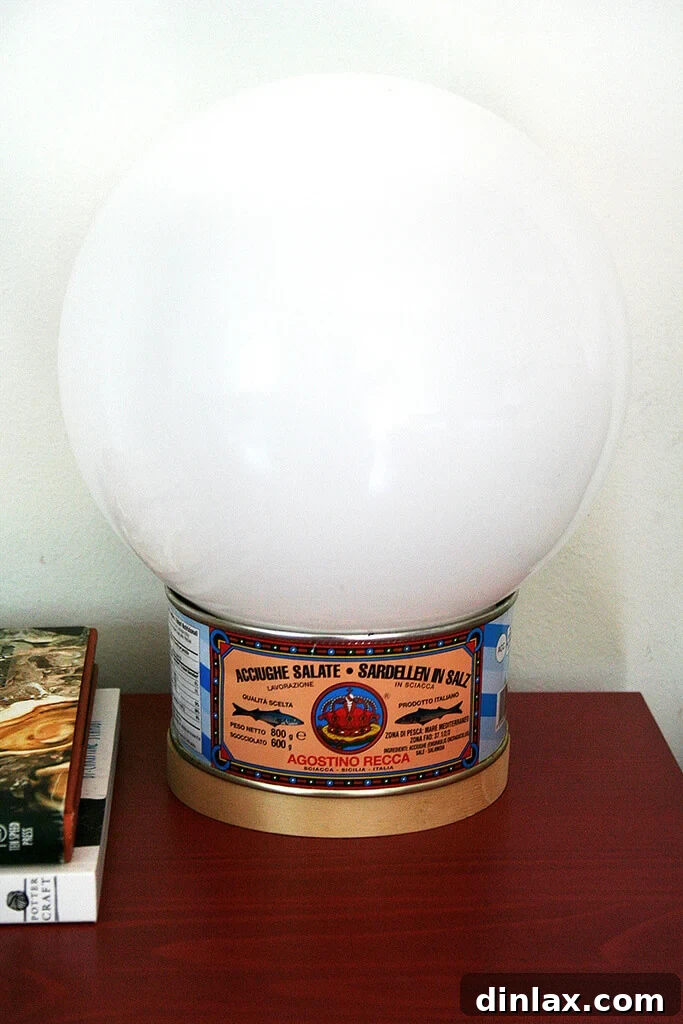
For those inspired to embark on their own lighting project, the detailed instructions provided by the original Apartment Therapy tutorial offer a comprehensive guide. It walks you through each step, from safely preparing the tin to precisely wiring the electrical components, ensuring a successful and safe outcome. And if a lamp sparks your creativity, imagine the myriad of other possibilities for repurposing such beautifully designed tins: an anchovy tin clock, using the remaining face of the tin, appears equally straightforward based on other AT tutorials. Or perhaps a chic desk organizer for pens and pencils, a miniature planter for succulents, or even elegant storage for small treasures like buttons, paperclips, or jewelry. The potential for repurposing these distinctive tins is virtually limitless, encouraging a playful approach to home decor and organization.
The Culinary Revelation: Anna Klinger’s Anchovy Vinaigrette for Grilled Swiss Chard Stems
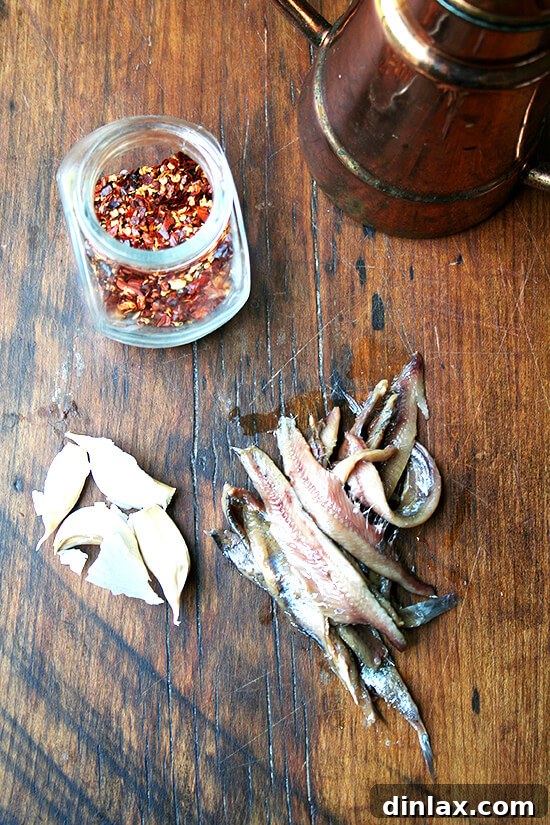
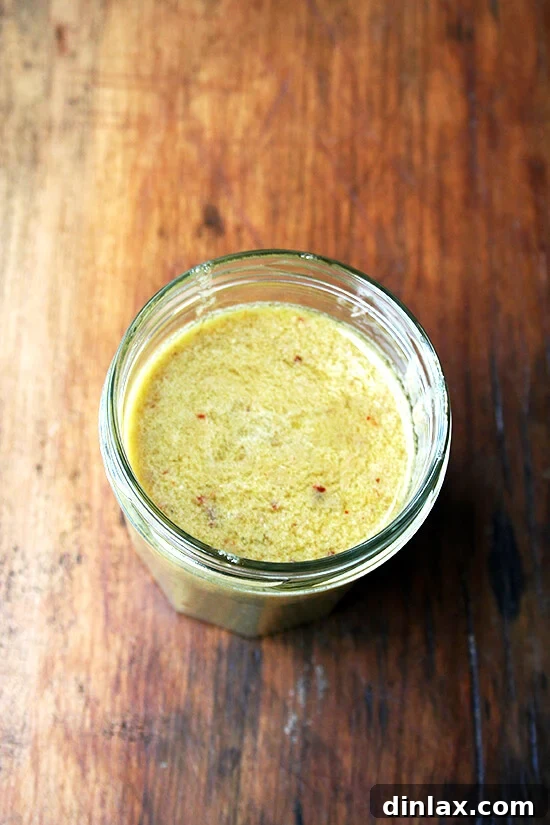
After successfully illuminating my living room with a unique creation, my attention naturally turned back to the source of the empty tin: the magnificent salt-packed anchovies themselves. This led me to a long-forgotten bookmark – a recipe on Food52 for Anna Klinger’s Grilled Swiss Chard Stems with Anchovy Vinaigrette. Chef Klinger, a culinary luminary from Brooklyn’s esteemed Al Di La restaurant, masterfully demonstrates how to elevate humble vegetable scraps into a gourmet experience. Her approach epitomizes the “root-to-stem” or “nose-to-tail” philosophy in vegetable cookery, a brilliant method for salvaging and celebrating parts of vegetables often discarded, thereby reducing food waste while maximizing both flavor and nutritional value.
Unlocking Umami: The Magic of Anchovies in Vinaigrette
Anchovies, often misunderstood or underestimated, are a powerhouse of umami, the fifth basic taste characterized by a savory, meaty depth. When finely minced and emulsified into a vinaigrette, they don’t necessarily lend an overtly “fishy” taste, but rather a profound depth of savory flavor that enhances and harmonizes beautifully with other ingredients. Chef Klinger’s vinaigrette, skillfully balanced with a splash of bright sherry vinegar, creates a complex flavor profile that is both robust and elegantly bright, capable of transforming even the simplest ingredients into something extraordinary. It’s a testament to how high-quality ingredients, thoughtfully combined, can achieve culinary brilliance and unlock unexpected flavor dimensions.
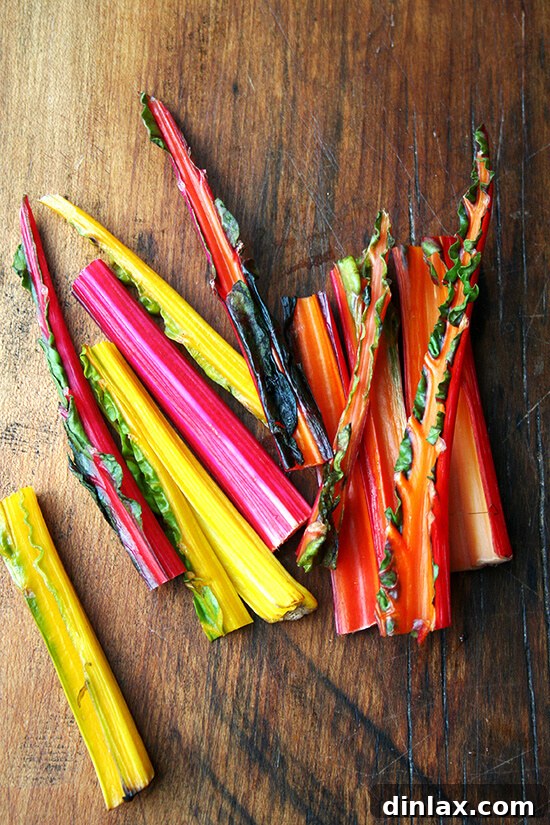
Grilled Swiss Chard Stems: A Culinary Revelation
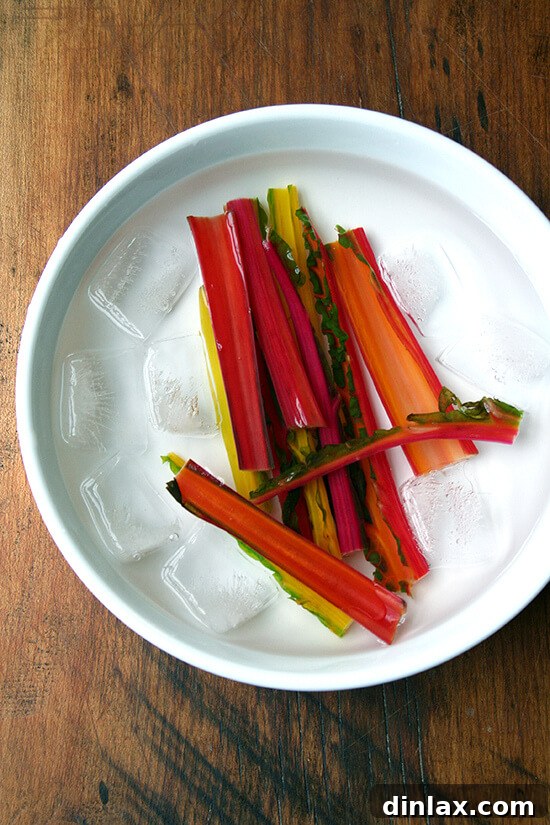
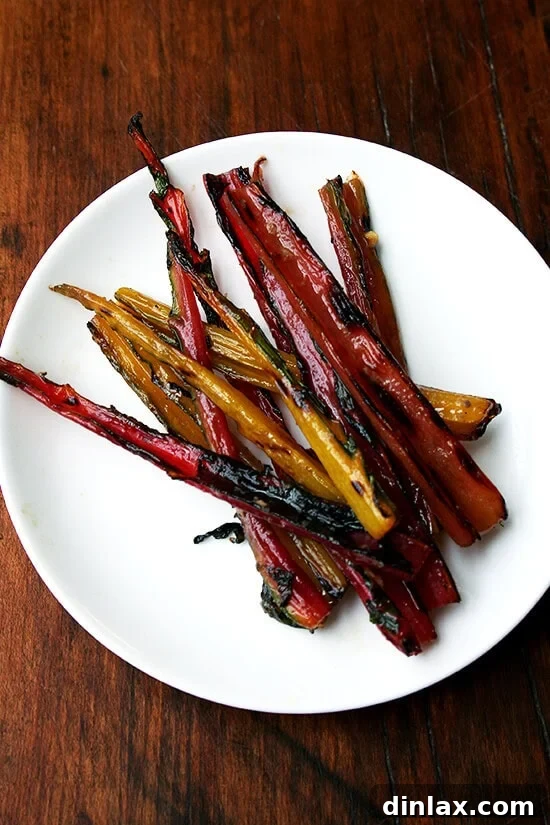
The star application for this remarkable vinaigrette, as envisioned by Chef Klinger, is with grilled Swiss chard stems. These often-overlooked and underrated parts of the chard, typically separated from their leafy greens and discarded, possess a delightful crunch, a subtle earthy sweetness, and a unique texture that truly shines when properly prepared. The process of blanching the stems gently tenderizes them, removing any raw bitterness, while subsequent grilling imparts a beautiful smoky char and a caramelized sweetness that pairs exquisitely with the pungent, salty, and acidic notes of the anchovy vinaigrette. It’s not just an elegant side dish; it’s a powerful example of resourceful and exceptionally delicious cooking, encouraging us to rethink what constitutes ‘waste’ in the kitchen.
Beyond Chard Stems: Versatility on Your Plate
While the grilled Swiss chard stems are a stellar pairing, the versatility of Anna Klinger’s anchovy vinaigrette extends far beyond this singular application. Its bold, umami-rich flavor profile makes it an exceptional partner for a wide array of ingredients, proving its worth as a kitchen staple:
- Grilled Vegetables: Imagine this vibrant dressing generously drizzled over other grilled greens such as bitter endive, tender escarole, or hearty romaine lettuce. It would also perfectly complement grilled asparagus, tender-crisp green beans, sweet bell peppers, earthy zucchini, eggplant slices, or even roasted root vegetables like carrots and parsnips. The umami kick inherently enhances their natural sweetness and the smoky char from grilling.
- Meats: For the meat lovers, this vinaigrette is an absolute game-changer. It provides a savory and piquant counterpoint to rich cuts like grilled skirt steak or hanger steak, providing a burst of flavor that cuts through the richness. It also pairs wonderfully with lamb chops, robust pork tenderloin, or even grilled chicken. Furthermore, it can serve as a sophisticated marinade, imparting deep flavor and tenderizing qualities before grilling or roasting.
- Salads: Elevate any standard green salad by using this anchovy vinaigrette as a dressing. Pair it with peppery arugula, delicate mixed greens, or even a classic Caesar salad for an extra layer of savory complexity and a gourmet touch.
- Seafood: While anchovies are seafood themselves, this vinaigrette can beautifully complement other fish. A lighter version could delicately dress grilled firm white fish, like cod or halibut, or even salmon, adding a savory punch without overpowering their delicate flavors.
- Other Creative Applications: Consider using it to dress warm potato salads for a Mediterranean twist, or simply serve it with crusty artisanal bread as a unique and flavorful dipping sauce. It can even be a secret ingredient in a pasta dish or a sandwich spread. The possibilities are truly endless once you understand its incredible flavor potential.
Tips for Perfect Anchovy Vinaigrette and Chard Stems
To ensure your culinary adventure is as successful and rewarding as your DIY project, consider these practical tips for both the vinaigrette and the chard stems:
- Quality Anchovies are Key: Always start with good quality, salt-packed anchovies. These offer a superior, cleaner flavor profile compared to many oil-packed varieties. Remember to rinse them thoroughly under cold running water to remove excess salt, then pat them completely dry before finely mincing. For those sensitive to intense flavors, a quick soak in milk for 10-15 minutes can help mellow their intensity further.
- Don’t Skimp on Sherry Vinegar: The quality of your sherry vinegar truly matters here. Its distinct nutty, slightly sweet, and complex acidic notes are absolutely crucial to the overall balance and depth of Chef Klinger’s vinaigrette. Avoid substitutes if possible.
- Proper Chard Stem Preparation: When preparing Swiss chard, carefully separate the thick, colorful stems from the leafy greens. While the leaves can be cooked separately (sautéed, steamed, or used in other dishes), the stems are your delicious focus for this recipe.
- Smart Storage of Chard Stems: As noted in the original recipe’s wisdom, chard stems are surprisingly resilient! Once removed from the leaves, they keep amazingly well for at least a week when stored in a sealed ziplock bag or airtight container in the refrigerator. This allows for flexible meal planning and prevents waste.
- Blanching and Grilling Technique: A brief blanch in boiling salted water followed immediately by an ice bath (as suggested by the visual cues in the original Food52 recipe) is key to tenderizing the stems, setting their vibrant color, and ensuring they cook evenly on the grill, achieving that perfect tender-crisp texture with beautiful grill marks.
The Unsung Hero: Investing in Quality Salt-Packed Anchovies
Our journey began with two compelling reasons to invest in quality salt-packed anchovies, and as we’ve explored, these reasons hold true and even expand upon themselves. First, the aesthetic appeal and inherent quality of the tin itself are undeniable. Many premium anchovy brands package their delicate fillets in beautifully designed, sturdy tins that are far too elegant and well-crafted to simply discard after use. These tins, with their distinctive shapes, often artistic labels, and robust construction, are indeed treasures waiting to be transformed into unique decorative elements, such as our stylish side table lamp, or other imaginative upcycled creations that add character to your home.
Secondly, and perhaps most importantly for the culinary enthusiast, the gastronomic rewards are immense. Grilled Swiss chard stems, when graced with Chef Anna Klinger’s exquisite anchovy vinaigrette, transcend their humble origins to become a dish of remarkable flavor, sophistication, and unexpected delight. This recipe alone profoundly justifies the purchase of quality salt-packed anchovies, showcasing their unparalleled ability to impart a complex, savory depth that is unmatched by many other ingredients. But the utility of these powerful little fish doesn’t stop there; they are an invaluable ingredient in countless global cuisines, capable of adding a crucial layer of umami to sauces, stews, casseroles, salad dressings, and even roasted vegetables without ever tasting overtly “fishy” to those who might be hesitant. Investing in quality salt-packed anchovies means investing in both sustainable living practices and an expanded world of culinary possibilities, making them a true pantry essential for any adventurous home cook.
Conclusion: Embrace Creativity, Embrace Flavor
From the subtle, warm glow of a lovingly repurposed anchovy tin lamp to the vibrant burst of umami-rich flavor from an expertly crafted anchovy vinaigrette, this exploration highlights the boundless potential found in everyday items. It’s a compelling testament to the idea that sustainability, creative craftsmanship, and gourmet cooking can not only go hand in hand but can also inspire and enrich our lives in unexpected ways. This journey encourages us to look at our kitchen counters and pantries with fresh, imaginative eyes, recognizing the hidden value and potential in what we might otherwise overlook.
Whether you’re a seasoned DIY enthusiast looking for your next project, an aspiring home chef eager to explore new flavor dimensions, or simply someone keen on reducing waste and living more mindfully, these projects invite you to embrace creativity, reduce your environmental footprint, and discover new dimensions of flavor and design. So, the next time you reach for that pack of high-quality salt-packed anchovies, remember: you’re not just buying an ingredient; you’re acquiring the potential for a new lamp, a stunning side dish, and an inspiring journey of transformation that begins right in your own home.