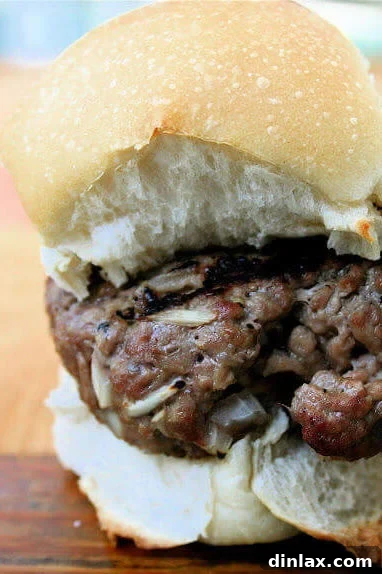
Embracing Sustainable Sourcing: My Journey to Grass-Fed Beef and Ethical Eating
The vision is clear: a large, freestanding chest freezer, capable of holding an entire or half-steer, packed with humanely raised, grass-fed beef. This isn’t just a fantasy; it’s a future commitment my partner, Ben, and I are eager to realize as soon as we have the space. Imagine a supply of wholesome, ethically sourced meat, sustaining us for months – a direct connection to our food that is often lost in modern society. This aspiration is deeply rooted in a growing awareness about the origins of our food and the profound impact of our dietary choices.
This ideal, of course, isn’t a novel concept but one championed by food advocates like Michael Pollan. In his influential book, In Defense of Food, Pollan famously advises, “If you have the space, buy a freezer.” He practices what he preaches, purchasing bulk meat and dairy from local, pasture-raising farms in Northern California, complementing his commitment to a Community Supported Agriculture (CSA) program. While I might be guessing at the exact quantities, the essence of his approach—prioritizing local, ethically produced food—resonates deeply and serves as a powerful inspiration for our own journey.
The Awakening: Understanding the Impact of Our Food Choices
Like countless others, my path to embracing grass-fed beef began after reading Michael Pollan’s groundbreaking work, The Omnivore’s Dilemma. This book was a revelation, peeling back the layers of our industrial food system and exposing the stark realities of conventional meat production. Since then, I’ve frequently discussed critical issues such as animal treatment in feedlots, the significant health benefits of grass-fed meat, and even shared delightful memories of dinner parties with friends, where grass-fed burgers took center stage. These discussions and experiences have solidified my conviction that how we source our meat matters immensely, not just for our plates, but for the animals and the environment.
While the health advantages of grass-fed meats – such as higher levels of omega-3 fatty acids and beneficial vitamins – are certainly appealing, my primary motivation for seeking them out lies squarely with animal welfare. A particularly poignant passage from Barbara Kingsolver’s Animal, Vegetable, Miracle: A Year of Food Life beautifully articulates this sentiment. Kingsolver quotes the esteemed farmer and essayist Wendell Berry from his book, What Are People For, whose words encapsulate the ethical imperative driving my choices:
“I dislike the thought that some animal has been made miserable in order to feed me. If I am going to eat meat, I want it to be from an animal that has lived a pleasant, uncrowded life outdoors, on bountiful pasture, with good water nearby and trees for shade.”
Berry’s words are a powerful reminder of the respect and dignity that animals deserve, a far cry from the harsh realities of industrial farming. This perspective has fundamentally reshaped my approach to food, pushing me to seek out sources that align with these values.
The Unbearable Truth: Feedlots Versus Humane Farming
The stark contrast between Wendell Berry’s ideal and the grim reality of industrial agriculture was painfully brought home by recent events. The U.S. Department of Agriculture made headlines when it shut down a Chino-based beef supplier following the release of shocking video footage. The video graphically depicted slaughterhouse workers engaging in inhumane and illegal practices, abusing weak and sick cows. Witnessing such cruelty on the news makes it incredibly difficult, if not impossible, to justify purchasing feedlot meat processed in these types of facilities.
This disgust is further amplified by direct experiences with truly ethical farming. My visits to farms, such as Joel Salatin’s renowned Polyface Farm, have provided a transformative glimpse into what sustainable, humane agriculture looks like. At Polyface, animals live precisely as Berry describes: grazing freely on lush pastures, with ample space, fresh water, and natural shade. This direct observation of animals thriving in an environment that respects their natural behaviors has cemented my belief. After seeing animals live such fulfilling lives, it has become genuinely challenging to support any other type of farming. It’s not merely a preference; it’s an ethical conviction.
Navigating the Challenges of Sourcing Sustainable Meat
While the dream of a chest freezer stocked with a steer remains on the horizon, we currently navigate the practicalities of purchasing grass-fed meats by the pound. This journey has highlighted regional disparities in access to sustainable food. In Northern California and previously in Philadelphia, securing local, pastured meats was relatively straightforward. I fondly recall the Fair Food Farmstand in Reading Terminal Market—an incredible little hub offering local, humanely raised beef, pork, chicken, lamb, and even raw milk and cheeses, all within walking distance of my apartment. I often reflect on how truly spoiled I was to have such convenient access to high-quality, ethical produce.
However, my experience in Southern California has been a different story. Despite diligent searching, I’ve found fewer readily available sources for pastured meats. While my research isn’t exhaustive, Trader Joe’s has emerged as the most accessible option for grass-fed beef in my vicinity. I’ve purchased their grass-fed ground beef twice now and have been thoroughly impressed with the quality each time. Driven by a desire for transparency, I called their customer service line (for future reference: 626.599.3817) to inquire about the origin and processing of their beef. Although the representative couldn’t disclose the specific farm or processing plant names, she confirmed that the cattle are both raised and processed in Northern California.
For the most stringent purists, particularly extreme locavores, sourcing meat from Northern California might seem too distant. Yet, when I weigh my options—ethically raised grass-fed beef from a few hundred miles away versus corn-fed, inhumanely treated beef from potentially closer but morally objectionable facilities—the concept of “food miles” becomes a trivial criterion. The ethical treatment of animals and the environmental impact of their raising practices far outweigh the geographical distance in my personal decision-making. It’s a compromise born of current limitations, but one I make with clear conscience, knowing I’m supporting better practices.
Cooking with Conscience: Trader Joe’s Grass-Fed Ground Beef Burgers
Finding a reliable source of grass-fed beef is only half the battle; the other half is transforming it into delicious, satisfying meals. The grass-fed ground beef from Trader Joe’s has proven to be an excellent canvas for simple yet flavorful burgers. Their rich taste and texture are a testament to the animals’ healthier diet and lifestyle, making for a truly enjoyable culinary experience. Here’s how I prepare them, ensuring the natural goodness of the meat shines through.
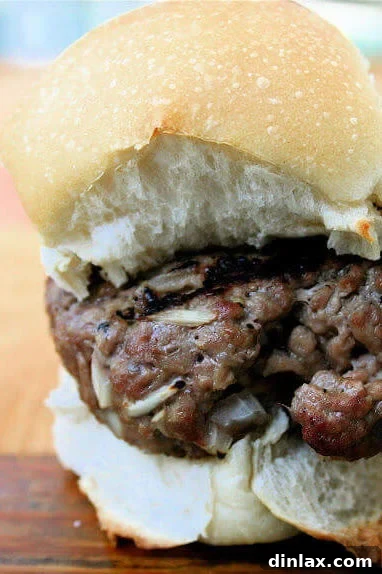
Trader Joe’s Grass-Fed Ground Beef Burgers Recipe
Ingredients:
- 1 to 1.25 lbs. grass-fed ground beef
- 1/2 white onion, finely diced to yield a scant 1/2 cup
- kosher salt and freshly ground black pepper
- buns
- lettuce, tomatoes, ketchup, cheese, etc., if desired
Instructions:
- Spread the ground beef out in a large bowl, as pictured in the preceding images. Sprinkle evenly with kosher salt. Distribute the finely diced onion over the top of the meat. Gently form the mixture into patties, aiming for approximately 5 to 6 ounces each. Refrigerate these patties until you are ready to cook them, which helps them hold their shape on the grill.
- Preheat your grill to a high temperature. Just before placing the burgers on the grill, sprinkle both sides of each patty generously with kosher salt and freshly ground black pepper to taste.
- Carefully place the seasoned burgers on the hot grill grates. Close the grill lid to trap the heat and reduce the heat setting to medium. Please note that every grill is different, and the optimal cooking time can vary based on your grill’s specific heat distribution and your personal preference for doneness (rare, medium-rare, medium, etc.). For a medium-rare burger—slightly pink and wonderfully juicy—I typically cook these for about three minutes per side. It’s worth mentioning that grass-fed beef can be less forgiving than conventional burger meat if overcooked, so monitor them closely to achieve your desired doneness and enjoy!
The Continuous Pursuit of Ethical Eating
This journey into ethical meat sourcing is a continuous one, filled with learning, adaptation, and a steadfast commitment to our values. From aspiring to a chest freezer brimming with locally sourced steer to carefully selecting grass-fed options from a grocery store like Trader Joe’s, each step is a conscious decision. It reflects a growing desire not just for healthier food, but for food that aligns with our principles of animal welfare, environmental stewardship, and a more transparent food system.
The lessons from Michael Pollan, Barbara Kingsolver, and Wendell Berry serve as guiding lights, reminding us that every bite can be a choice to support a better world. While perfect localism may not always be feasible, making informed and compassionate decisions about where our food comes from is always possible. This pursuit of conscious consumption enriches not only our meals but also our understanding and connection to the intricate web of life that sustains us all.