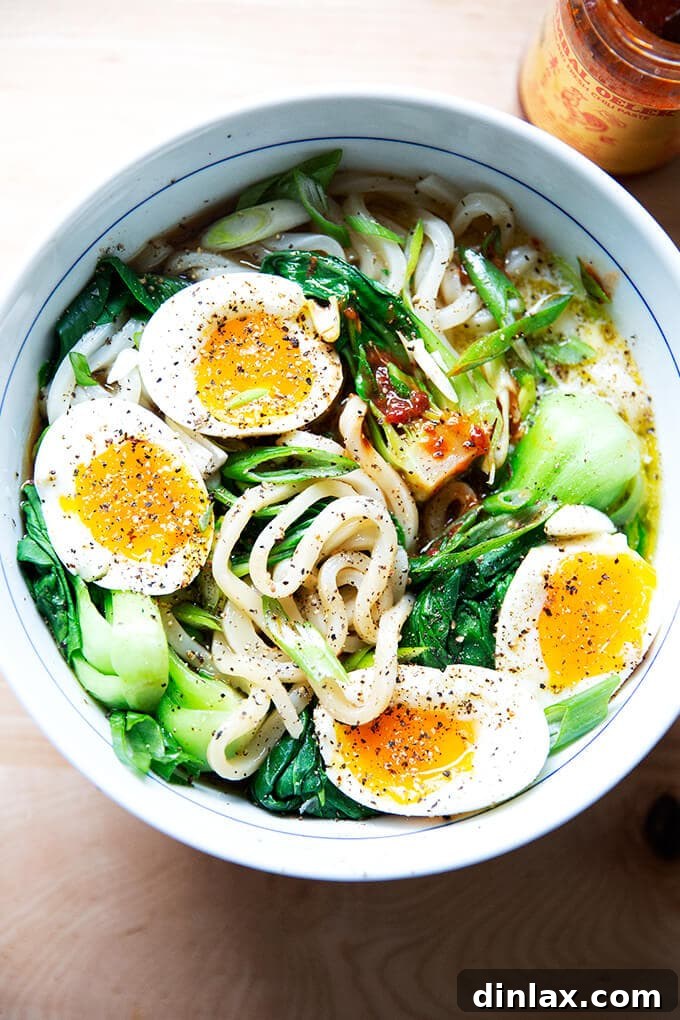
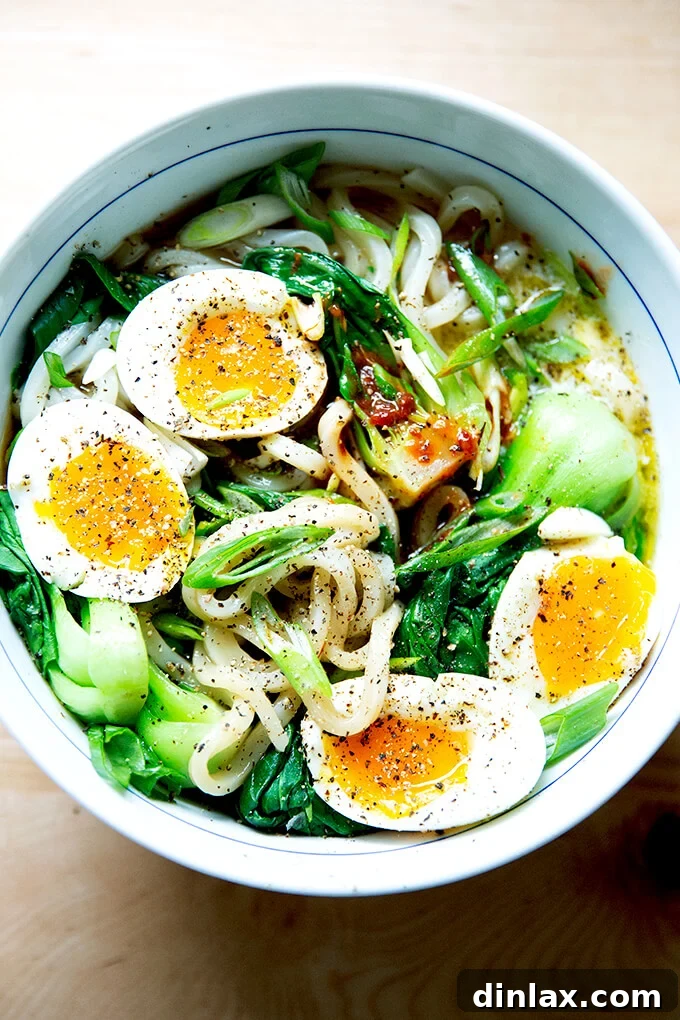
Experience Culinary Simplicity: Hetty McKinnon’s Life-Changing Udon Noodles
For many home cooks, the pursuit of an authentic and deeply flavored bowl of noodles often conjures images of laborious hours spent simmering bones to craft a rich, seasoned broth. This traditional perception can make delicious, homemade Asian-inspired meals seem daunting for busy weeknights. However, culinary innovator Hetty McKinnon, with her renowned “life-changing” udon noodles from her latest book, To Asia, With Love, completely redefines this notion. Her recipe is a testament to the power of simplicity, demonstrating how a handful of thoughtfully chosen ingredients can come together in mere minutes to create an astonishingly flavorful and nourishing dish that truly lives up to its “life-changing” moniker.
The secret to these revolutionary noodles lies in the broth – a minimalist masterpiece built on just three essential components: a high-quality vegetable stock, umami-rich soy sauce (or gluten-free tamari), and a touch of subtly sweet mirin. Once combined and brought to a gentle simmer, this foundational broth is complete. It provides a clean, harmonious canvas, ready to be infused with complex flavors through the clever use of garnishes. The true depth and magic of this dish unfold as a luxurious pat of butter melts into the hot liquid, lending a creamy richness that is both unexpected and deeply satisfying. A fragrant drizzle of toasted sesame oil adds an irresistible nutty aroma, while a scattering of fresh, thinly sliced scallions provides a delightful mild onion bite and vibrant green hue. A pinch of sea salt enhances all the flavors, and a generous amount of freshly cracked black pepper delivers a surprisingly warming kick, crucial to the dish’s signature profile. For an extra layer of decadence, the creamy, golden yolks of perfectly soft-boiled eggs naturally enrich the broth, creating a velvety texture that elevates every spoonful. And for those who appreciate a fiery touch, a spoonful of Sambal Oelek or your favorite chili paste can be stirred in, adding a delightful spicy complexity that perfectly balances the other elements.
Transforming this already delicious preparation into a complete and wholesome meal is effortlessly achieved by incorporating a generous portion of fresh greens. Baby bok choy, with its delicate crunch and mild flavor, is an ideal choice, though other tender leafy vegetables like spinach, gai lan, or even a handful of chopped kale would work beautifully. The genius of this addition lies in its efficiency: simply add the greens directly to the pot of boiling udon noodles. Most udon varieties, particularly the widely available and highly recommended frozen kind, cook incredibly fast – typically within 1 to 3 minutes. This brief cooking time is perfect for greens, ensuring they emerge perfectly tender-crisp, retaining their vibrant color and maximum nutritional value. The result is a meal that is not only quick and easy but also packed with flavor and nourishing goodness.
Every time I prepare this soup, I find myself continually astounded by its two most impressive qualities: the remarkable speed at which such a deeply flavorful and satisfying meal comes together, and the sheer depth of nourishment it provides. It’s an almost unbelievably simple recipe that delivers an authentic Asian-inspired experience without the typical time commitment. Hetty McKinnon herself shares in the introduction to her recipe that the dish was directly inspired by a memorable culinary encounter at Shin Udon in Tokyo. The flavors and textures she experienced there were so profound that she, too, described them as “life-changing,” a sentiment that resonates powerfully with anyone who tastes this incredible home-cooked version. It beautifully captures the essence of a remarkable restaurant dish, made accessible and achievable in your own kitchen.
An Indulgent Dive into To Asia, With Love: Hetty McKinnon’s Culinary Masterpiece
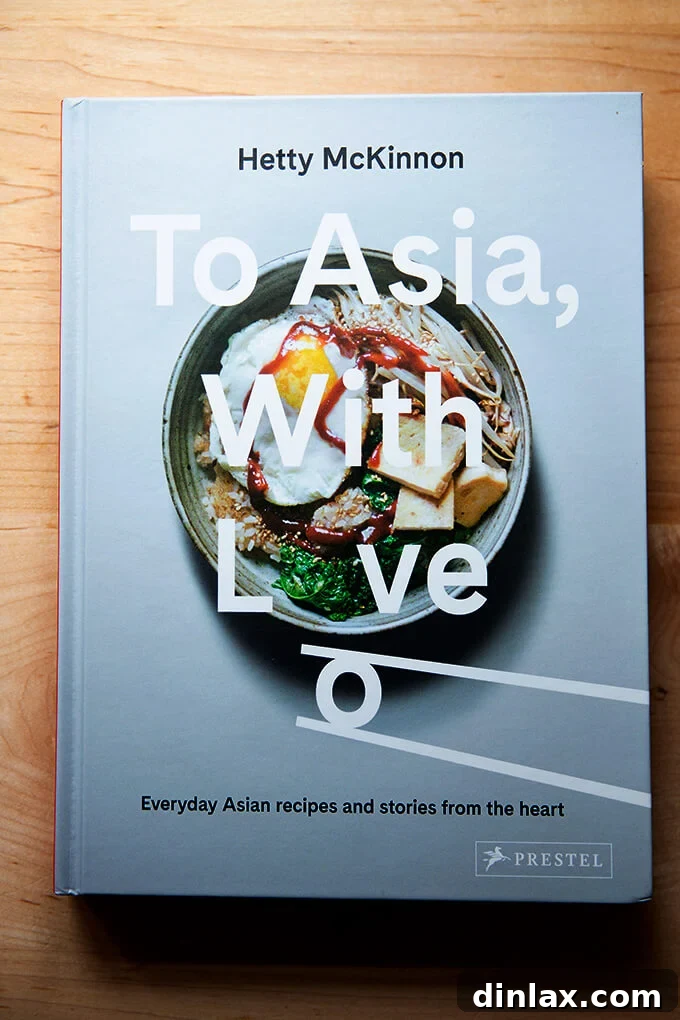
Hetty McKinnon’s latest cookbook, To Asia, With Love, transcends the conventional recipe book format, offering readers an immersive journey through personal stories and vibrant culinary traditions. One of its most captivating features is the array of heartfelt anecdotes that accompany many of the dishes, much like the inspiring origin story behind these udon noodles. These narratives often stem from Hetty’s extensive travels and profound culinary discoveries across Asia, weaving a rich tapestry of cultural connection and inspiration. In a world where many of us yearn for new experiences and distant horizons, these stories resonate deeply, making the act of cooking feel like a genuine adventure.
Beyond its compelling narratives, To Asia, With Love is a visual and sensory delight, maintaining the exquisite aesthetic standards that have become synonymous with Hetty’s previous three publications. The book’s design is thoughtfully crafted, its photography is breathtakingly beautiful, and the recipes themselves are curated with a meticulous eye for both flavor and accessibility. In a newsletter last fall, when she first shared this very udon noodle recipe, Hetty candidly described TAWL as her “most personal to date.” This intimacy is evident throughout the pages, which are not only filled with practical, everyday Asian recipes – often utilizing simple ingredients many home cooks already have – but also imbued with tender personal stories of her formative years, growing up in a Chinese household nestled within the vibrant city of Sydney. This fusion of accessible cooking and heartfelt memoir creates a truly unique and enriching experience for the reader.
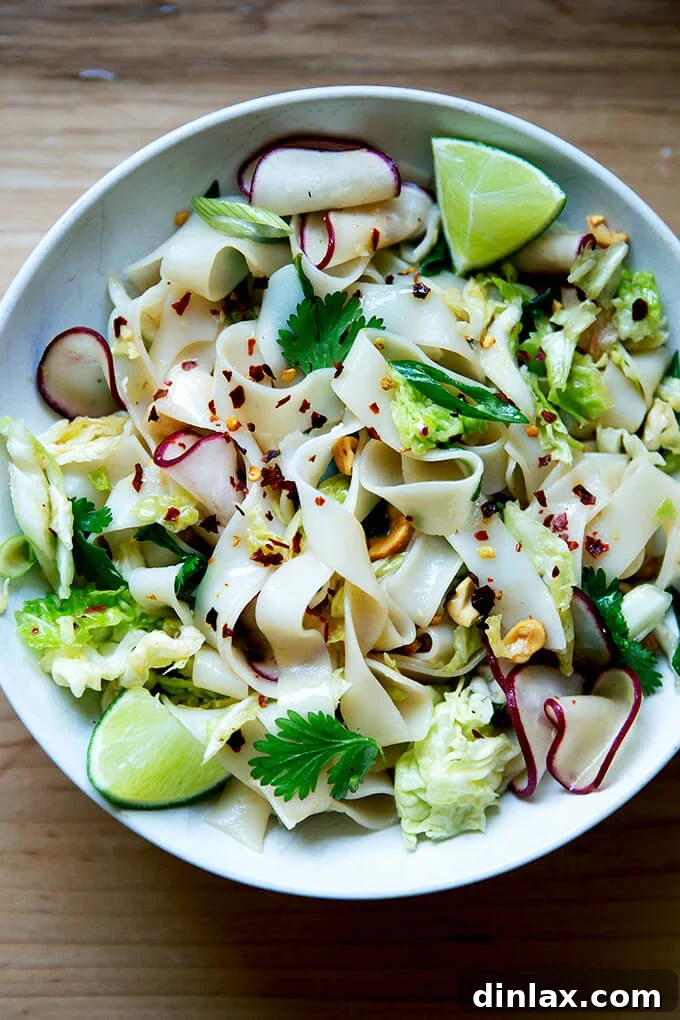
As I continue to explore the treasures within TAWL, my culinary aspirations only grow. I’m particularly excited to recreate the “restaurant greens,” a dish that holds a special place in my heart as it’s consistently my top choice when dining at Chinese restaurants. Recently, I had the pleasure of preparing the TAWL Pad Thai Salad, and I can unequivocally confirm its absolute deliciousness – a vibrant celebration of textures and flavors. I plan to share this specific recipe in detail on my Instagram stories very soon, so I encourage you to follow along on Instagram if you’re eager to try your hand at this sensational salad. I’ll make sure to save it in my story highlights for easy access. For those keen to stay abreast of Hetty McKinnon’s latest culinary inspirations, creative insights, and personal updates, I highly recommend connecting with her through her engaging Instagram page and subscribing to her insightful newsletter. Her contributions to the culinary world are consistently wonderful and a perpetual source of inspiration.
PS: For another truly outstanding dish from Hetty’s impressive culinary repertoire, I heartily recommend her Sushi Salad. This delightful creation comes from her previous book, Family. After discovering it, I found myself making it on a continuous loop for many weeks; it quickly ascended to the status of one of my all-time favorites. It perfectly exemplifies her talent for crafting dishes that are both comforting and bursting with fresh, vibrant flavors.
Crafting Your Own Life-Changing Udon Noodles: A Simplified Step-by-Step Guide
Embarking on the journey to create these exceptional udon noodles is surprisingly straightforward, underscoring the principle that remarkable flavors don’t always demand intricate techniques. Follow these simple steps to bring this truly “life-changing” dish from Hetty McKinnon’s kitchen to your own table with remarkable ease and speed.
Step 1: Initiate the Aromatic Broth Base
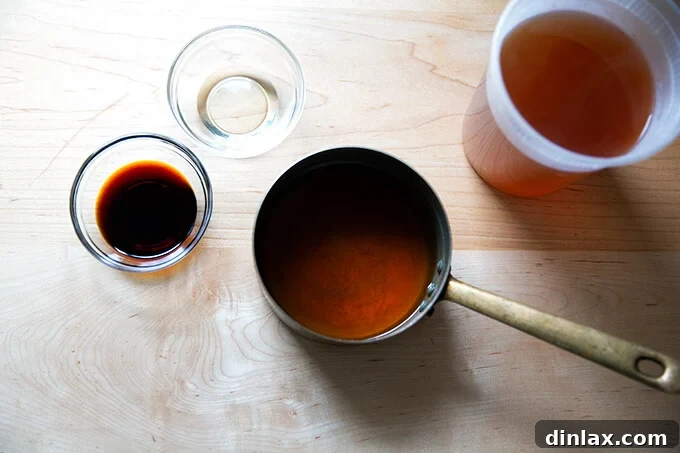
Begin by establishing the very heart of your noodle soup: the elegantly simple yet profoundly flavorful broth. In a small to medium saucepan, combine your chosen high-quality vegetable stock, the savory depth of soy sauce (or tamari for a gluten-free alternative), and the subtle sweetness of mirin. This harmonious trio is the foundation, striking a perfect balance of umami, salt, and delicate sweetness. Gently bring this mixture to a low simmer over moderate heat. As soon as you observe it beginning to bubble lightly, either remove it from the heat or reduce the flame to its absolute lowest setting to keep it warm. The inherent beauty of this broth is its unpretentious nature; its complexity and depth will be gracefully amplified by the fresh, thoughtful garnishes you will introduce later.
Step 2: Prepare Your Preferred Greens (Optional but Highly Recommended)
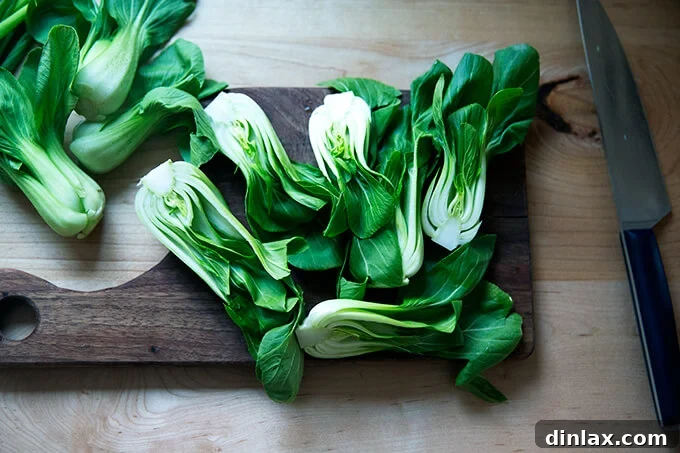
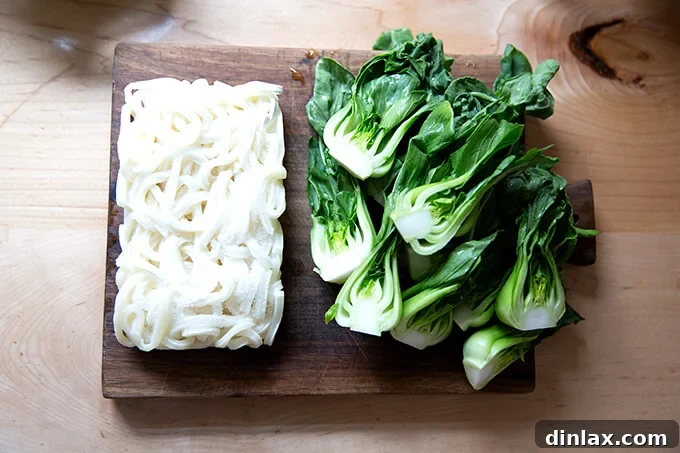
While your essential broth is gently simmering, take this opportunity to prepare any fresh greens you intend to incorporate into your noodle bowl. Baby bok choy stands out as an excellent option, offering a delightful mild, slightly sweet flavor profile and a satisfying crunch that complements the soft noodles beautifully. Simply halve the smaller heads of baby bok choy or roughly chop larger leaves. Should baby bok choy not be readily available, feel free to substitute with other tender leafy vegetables such as fresh spinach, crisp gai lan, or even finely chopped kale, depending entirely on your personal preference. These greens not only contribute a wonderful nutritional boost but also introduce a pleasant textural contrast to the smooth udon noodles, enhancing the overall eating experience.
Step 3: Select Your Udon Noodles Wisely
Next, focus on the undeniable star of this dish: the udon noodles themselves. While a variety of udon noodle types are available on the market – including fresh, dried, and vacuum-sealed – I cannot emphasize enough the remarkable convenience and superior texture offered by frozen udon noodles. These culinary gems cook in an astonishingly quick 1 minute, consistently achieving that perfect, satisfying chewiness that can sometimes be elusive with other varieties in such a short cooking time. Opt for your preferred brand of frozen udon noodles, or, if udon is not easily accessible, a similar thick, chewy noodle variety can serve as an acceptable substitute to carry the rich flavors of the broth.
Step 4: Orchestrate Your Efficient Cooking Station
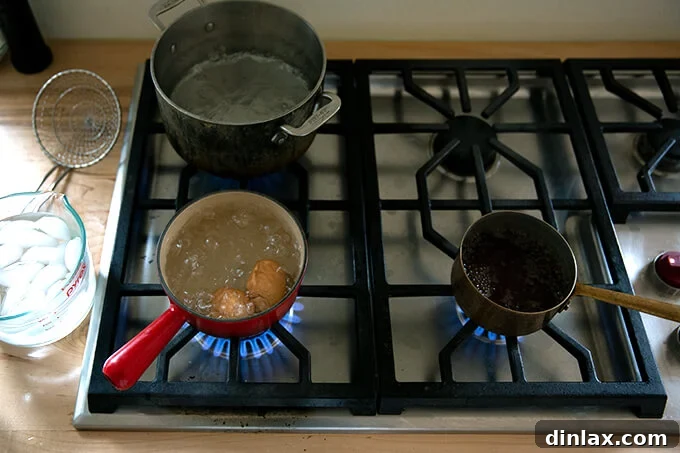
To ensure a seamless and stress-free cooking experience, set up your stovetop like a meticulously coordinated culinary orchestra. You will ideally need three separate pots operating in parallel: one dedicated solely to bringing the udon noodles (and your greens, if using) to a rapid boil, another for perfectly achieving your desired soft-boiled eggs, and finally, the small saucepan where your aromatic broth gently simmers, staying warm. This multi-pot approach is key to synchronizing the preparation, ensuring that all components are ready at precisely the same moment, allowing for swift, hot assembly and immediate serving of your delicious meal.
Step 5: Master the Art of the Soft-Boiled Egg
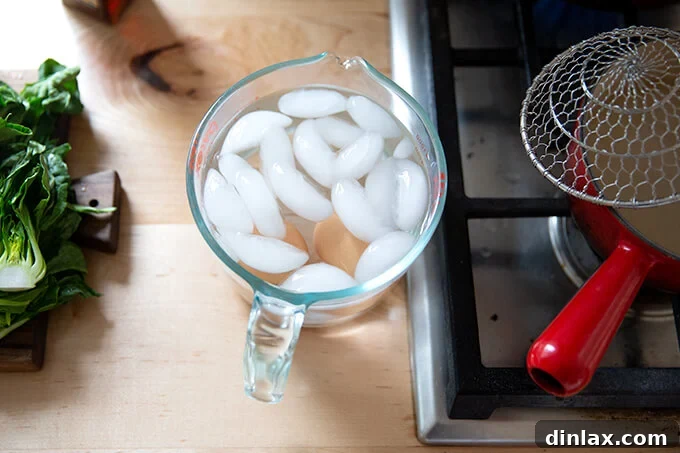
For the quintessential creamy, yielding yolk that will beautifully meld with the broth, cook your large eggs in briskly boiling water for precisely 6 minutes. This timing is ideal for achieving a perfectly runny, soft-boiled yolk. Should you prefer a slightly firmer, custardy texture, extend the cooking time by an additional minute to 7 minutes. Immediately after the cooking time is up, it is crucial to transfer the eggs without delay to an ice bath (a bowl filled with cold water and ice cubes). This essential step instantly halts the cooking process, preventing any undesirable overcooking, and remarkably, makes them significantly easier to peel. Once completely cooled, gently peel the eggs and set them aside, ready to crown your noodle bowls.
Step 6: Cook Noodles and Greens to Al Dente Perfection
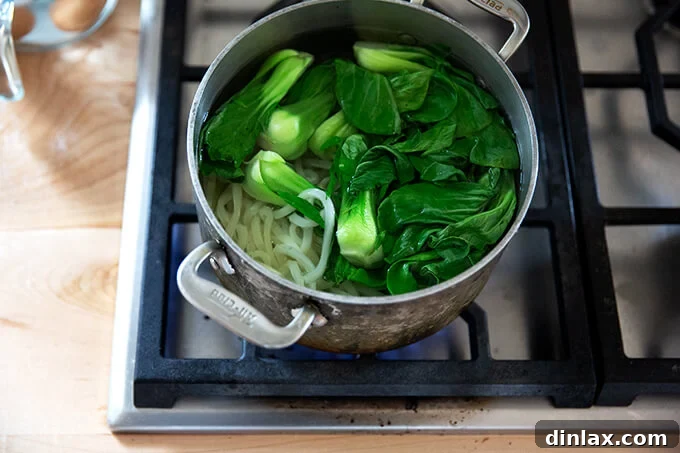
In your designated large pot of generously salted boiling water, carefully add the udon noodles and your prepared greens simultaneously. Cook them for the brief duration of 1 to 3 minutes, or strictly according to the package instructions, until the noodles achieve an ideal al dente texture and the greens are tender-crisp, maintaining their vibrant color. The rapid cooking time of frozen udon makes this stage incredibly swift, making it essential to monitor closely to prevent any overcooking, which could result in mushy noodles or limp greens.
Step 7: Drain and Artfully Assemble Your Bowl
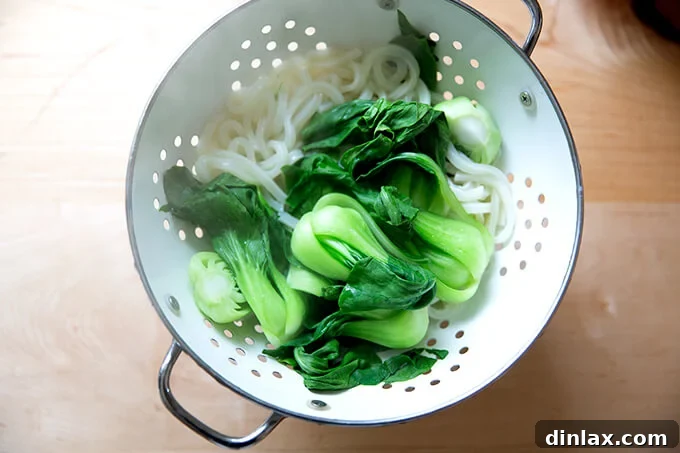
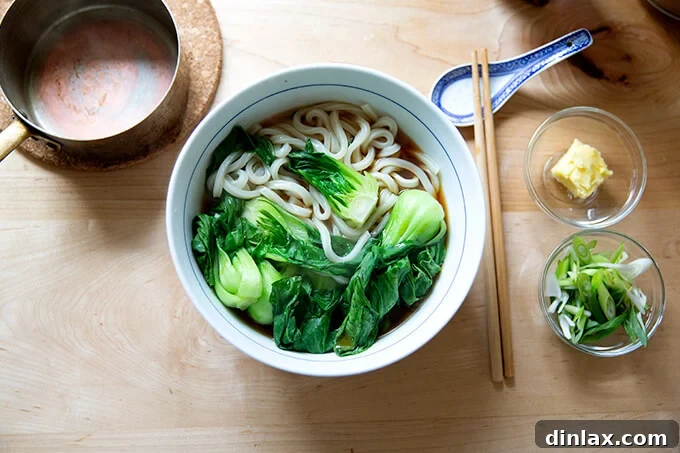
Once cooked, promptly drain the udon noodles and greens thoroughly in a colander, shaking off any excess water. Immediately transfer these hot ingredients into individual serving bowls. The inherent warmth of the noodles will prove beneficial, helping to beautifully integrate the subsequent additions and infuse them with flavor. Now, with care and precision, pour the hot, fragrant broth generously over the noodles and greens. As the steam gently rises, it will carry with it the inviting aromas of your carefully crafted culinary masterpiece, promising a delightful sensory experience.
Step 8: Elevate Flavors with Rich Garnishes
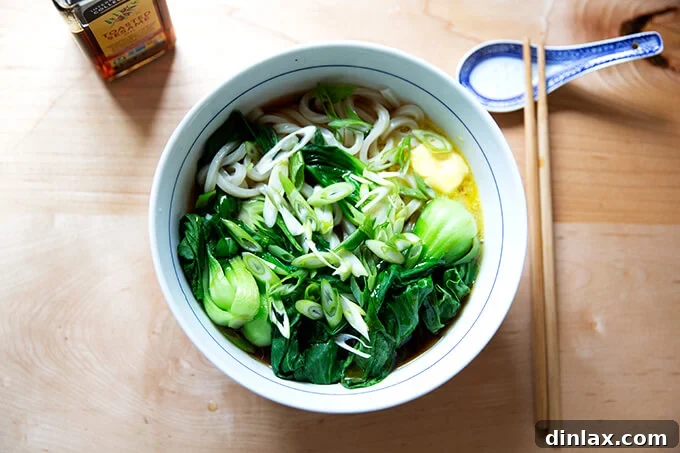
This pivotal stage is where the truly “life-changing” flavors of the dish blossom and converge. Introduce a generous knob of unsalted butter directly into the steaming hot broth in each bowl; observe as it slowly melts, gracefully imparting a luxurious, creamy richness that softens the edges of the savory broth. Follow this with a delicate drizzle of toasted sesame oil, which contributes its distinctive nutty aroma and a subtle depth of flavor. Finally, scatter a handful of freshly sliced scallions over the top, adding a burst of fresh, mild onion flavor and a vibrant splash of green color that beautifully contrasts with the golden hues of the dish.
Step 9: The Perfect Finishing Touches
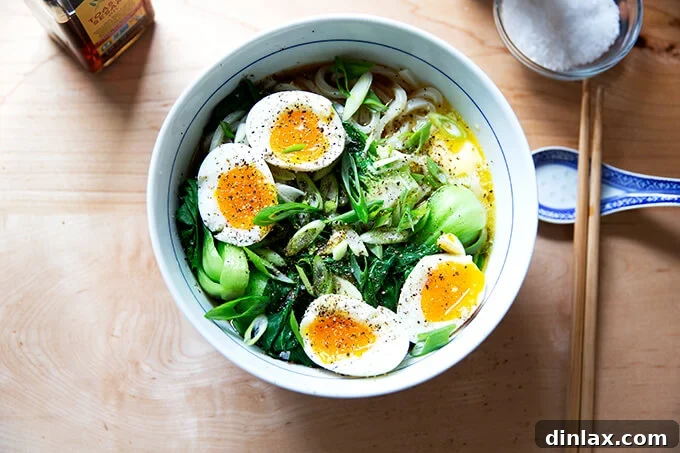
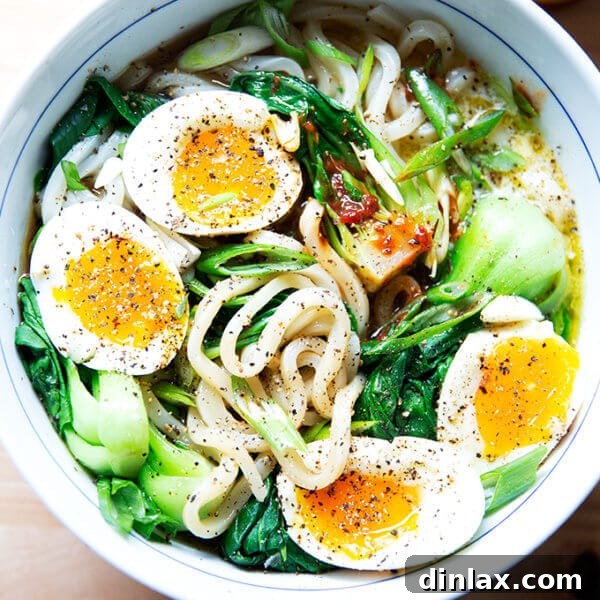
Carefully halve your perfectly soft-boiled eggs and artfully arrange them atop the noodles, showcasing their vibrant yolks. Season the dish generously with flakes of sea salt to taste, and, most critically, a lavish amount of freshly cracked black pepper. In this recipe, the black pepper transcends its role as a mere seasoning; it is a fundamental flavor component, delivering a profound warmth and an unexpected depth that exquisitely complements and balances all the other ingredients. Do not hesitate to be liberal with it, as the dish is intentionally designed to feature a distinct peppery character.
For those who revel in a delightful burst of zesty heat, do not hesitate to stir in a spoonful of vibrant Sambal Oelek or your personal favorite chili paste directly into your bowl. This optional but highly recommended addition introduces a wonderful layer of complexity and a customizable kick, transforming the dish to suit the preferences of any spice enthusiast.
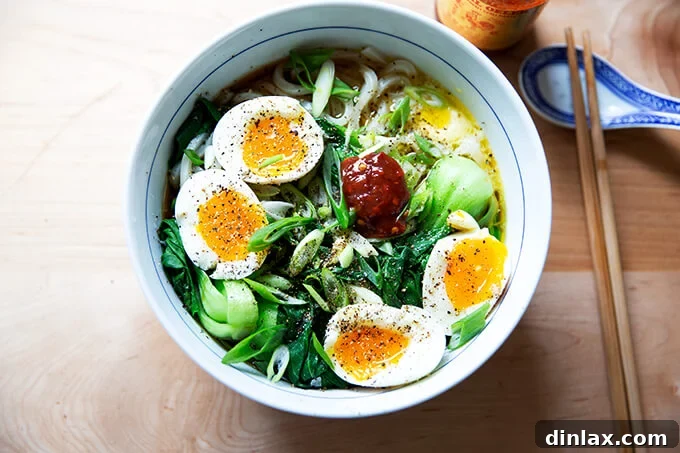
And there you have it – a truly magnificent, soul-warming bowl of “life-changing” udon noodles, ready to be savored. Enjoy every single slurp of this deceptively simple yet profoundly flavorful creation!
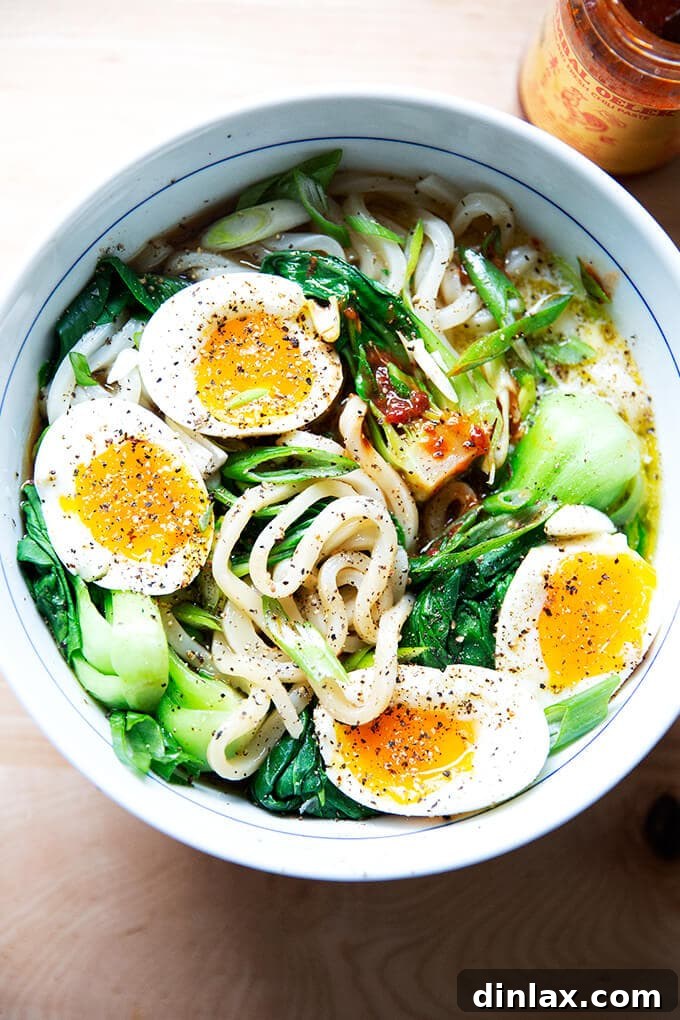
This dish is genuinely a revelation for quick, satisfying, and deeply flavorful cooking. If you haven’t already had the pleasure, I wholeheartedly encourage you to procure your very own copy of To Asia, With Love to explore the myriad of other culinary wonders Hetty McKinnon has to offer!
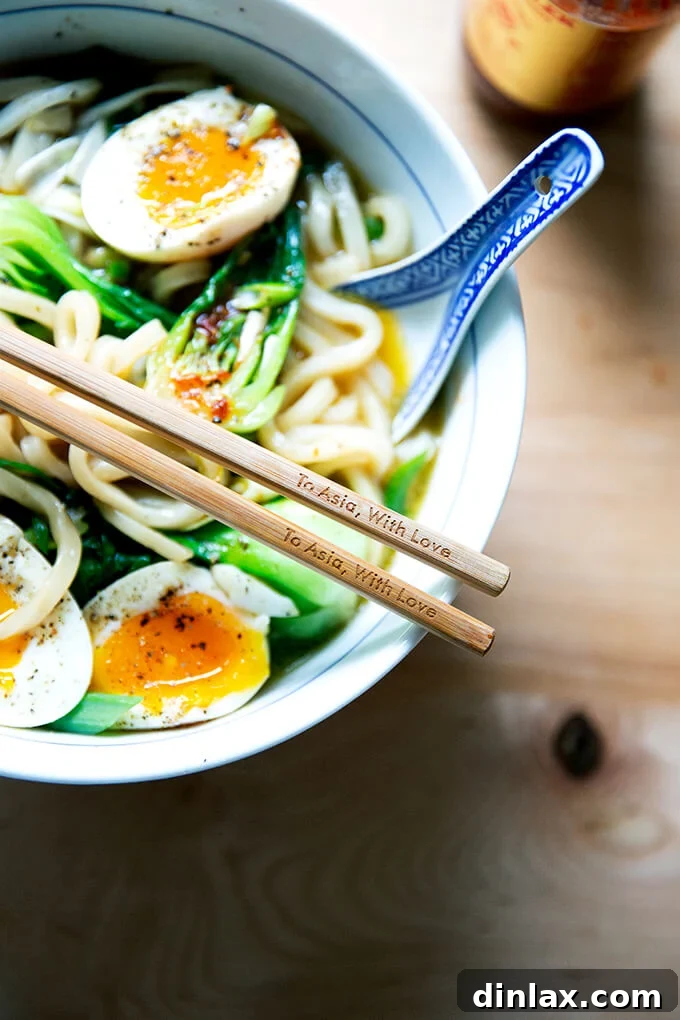
As you enjoy your comforting udon, don’t forget the enticing Pad Thai Salad from TAWL that I highlighted earlier. Make sure to keep a close watch on my Instagram page for that recipe update, which is scheduled to drop tomorrow, April 7th! It’s another vibrant and incredibly delicious dish you won’t want to miss.
Life-Changing Udon Noodles
5 Stars
4 Stars
3 Stars
2 Stars
1 Star
4.9 from 161 reviews
- Author: Alexandra Stafford
Total Time: 27 minutes
Yield: Serves 4
Diet: Vegetarian
Description
A simple yet profound udon noodle recipe from Hetty McKinnon’s essential cookbook, To Asia, With Love, delivering maximum flavor with minimal effort.
Notes:
- Every recipe in To Asia, With Love is vegetarian-friendly. For a vegan version of this recipe, simply omit the eggs and use a plant-based butter alternative.
- You might find yourself craving more of this incredibly savory broth – it’s truly that good! Keep extra vegetable stock, tamari or soy sauce, and mirin on hand so you can easily whip up a double batch of broth. I often do this myself.
- This recipe is easily scalable. For a smaller serving, perhaps for two people, a half recipe works perfectly. Important Note: In the accompanying video, I prepare a half recipe but use 2 tablespoons of soy sauce instead of the proportional 1.5 tablespoons. Some individuals have found this to make the broth quite salty. If you’re halving the recipe, I recommend starting with 1.5 tablespoons of soy sauce and adjusting with more salt to taste as needed.
Ingredients
- 4 large eggs
- 1.75 lbs. (800 g) udon noodles (frozen udon highly recommended)
- 1/4 to 1/2 lb. (approx. 115-225g) of fresh greens such as baby bok choy, spinach, or gai lan, optional
- 2 cups (500 ml) high-quality vegetable stock
- 3 to 4 tablespoons tamari or soy sauce (adjust to taste)
- 2 teaspoons mirin
- 4 scallions, thinly sliced, for garnish
- 80 g (6 tbsp) unsalted butter, cubed, or to taste (a generous knob per bowl is perfect)
- 1 tablespoon toasted sesame oil, or to taste
- Sea salt and freshly cracked black pepper, to taste (use a generous amount of pepper)
- Sambal Oelek or other chili paste of choice, optional, for serving
Instructions
- Bring a small saucepan of water to a rolling boil. Carefully add the large eggs and immediately set a timer for 6 minutes for very soft, runny yolks. For a slightly firmer yolk, cook for 7 minutes. As soon as the timer sounds, promptly drain the eggs into a colander and transfer them to an ice bath (a bowl of cold water with ice cubes) until they are completely chilled. This critical step halts the cooking process and makes peeling significantly easier. Peel the cooled eggs and set them aside.
- In a large saucepan, bring a generous amount of salted water to a boil. Add the udon noodles and, if using, your prepared greens. Cook according to the package instructions until the noodles are al dente. This typically takes only 1–3 minutes, especially for frozen or vacuum-sealed varieties. Ensure you do not overcook them. Drain the hot noodles and greens thoroughly, then divide them evenly among four serving bowls (or two larger bowls, if preferred).
- Simultaneously, combine the vegetable stock, tamari or soy sauce, and mirin in a separate small saucepan. Place this over low heat, allowing it to gently warm through until hot but not vigorously boiling. This ensures the flavors are well-integrated and the broth is ready to be poured.
- Carefully pour the hot, aromatic broth over each bowl of noodles and greens. Place a peeled soft-boiled egg (halved, if desired) on top of the noodles in each bowl. Add a knob of butter to each bowl, allowing its creamy richness to melt slowly into the hot broth. Garnish with a generous sprinkle of thinly sliced scallions and a liberal amount of freshly cracked black pepper. This dish is designed to be distinctly peppery, so don’t be shy! Finish with a small drizzle of toasted sesame oil and a pinch of sea salt to taste.
- For those who appreciate a spicy kick, stir in a spoonful of Sambal Oelek or your preferred hot sauce directly into your bowl. Adjust the amount to achieve your desired level of heat.
Prep Time: 20 minutes
Cook Time: 7 minutes
Category: Soup, Noodles
Method: Stovetop
Cuisine: Asian, Japanese Inspired