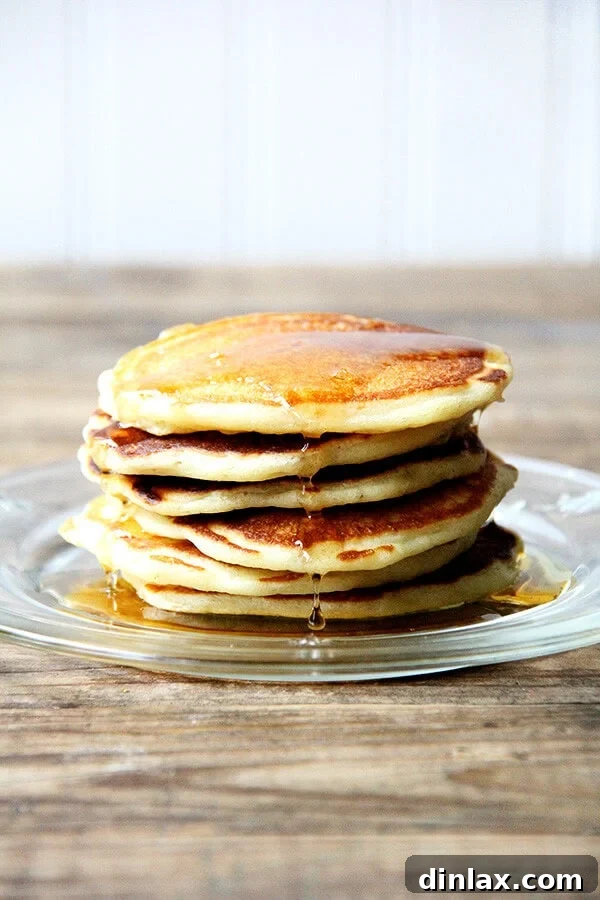
Mastering the Art of Fluffy One-Bowl Buttermilk Pancakes: Your New Weekend Staple
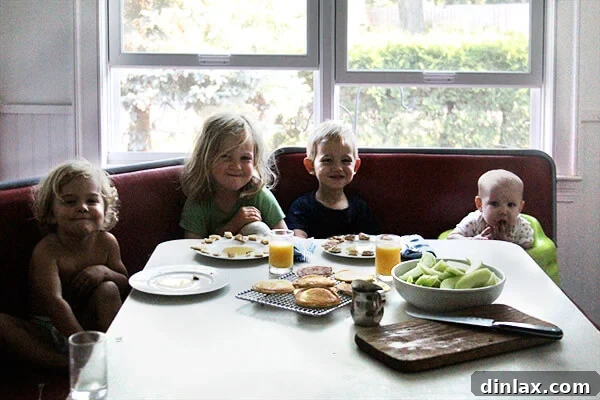
Imagine a relaxed weekend morning, the aroma of freshly cooked pancakes filling your home, and the best part? It all comes together with minimal fuss and only one bowl. Our ultimate guide to light, fluffy, and incredibly easy one-bowl buttermilk pancakes is here to revolutionize your breakfast routine. This isn’t just a recipe; it’s a game-changer, promising consistently delicious results that will have both adults and children eagerly anticipating their next stack. Get ready to embrace the joy of simple, satisfying homemade pancakes that are so good, they’ll instantly become a cherished family tradition.
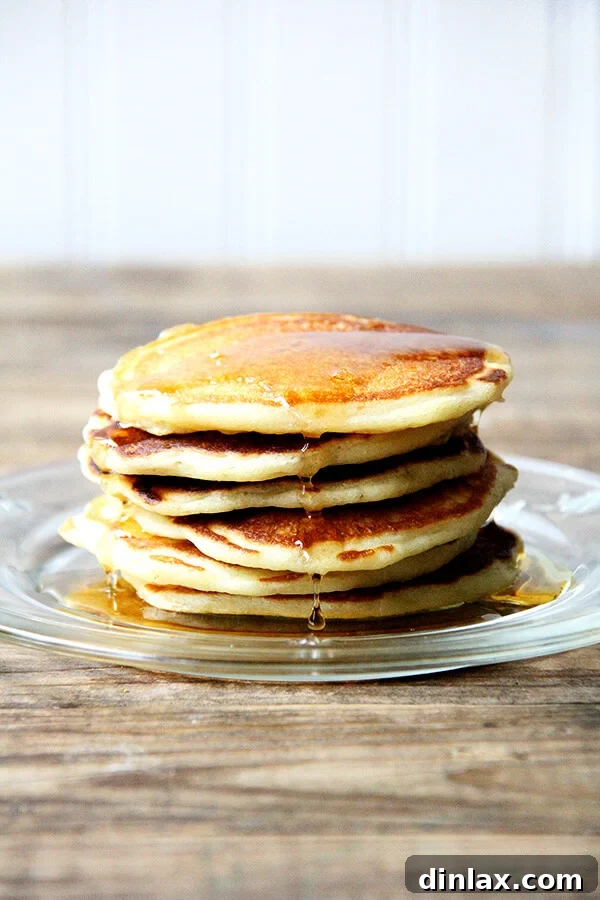
The Quest for Pancake Perfection: A Culinary Confession
For many years, the art of crafting truly exceptional pancakes eluded me. Despite numerous attempts, my pancakes often turned out either too dense, too flat, or simply lacking that irresistible fluffy texture everyone craves. It felt like a culinary enigma, a breakfast challenge I just couldn’t master. Then, about a year ago, I stumbled upon a promising recipe from The Kitchn for lofty buttermilk pancakes. This recipe introduced a peculiar, yet effective, technique: separating the egg yolks from the whites, incorporating the yolks into the batter first, and leaving the whites unbeaten until later. It was an unconventional approach, but to my delight, it worked wonders, yielding the light and airy pancakes I had always dreamed of.
Revolutionizing Your Morning: The Genius of One-Bowl Pancakes
While The Kitchn’s method produced stellar results, it came with a significant drawback for busy cooks: a requirement for three separate bowls. One for the dry ingredients, another for the wet ingredients (yolks, buttermilk, milk, butter), and a third for the egg whites. As anyone who has ever attempted a complex breakfast on a sleepy Saturday morning knows, two extra bowls can feel like two too many. The thought of a sink full of dishes before the first cup of coffee was enough to deter me from making pancakes as often as I’d like. This led me to a simple yet revolutionary idea: what if I could achieve the same fluffy results with just one bowl?
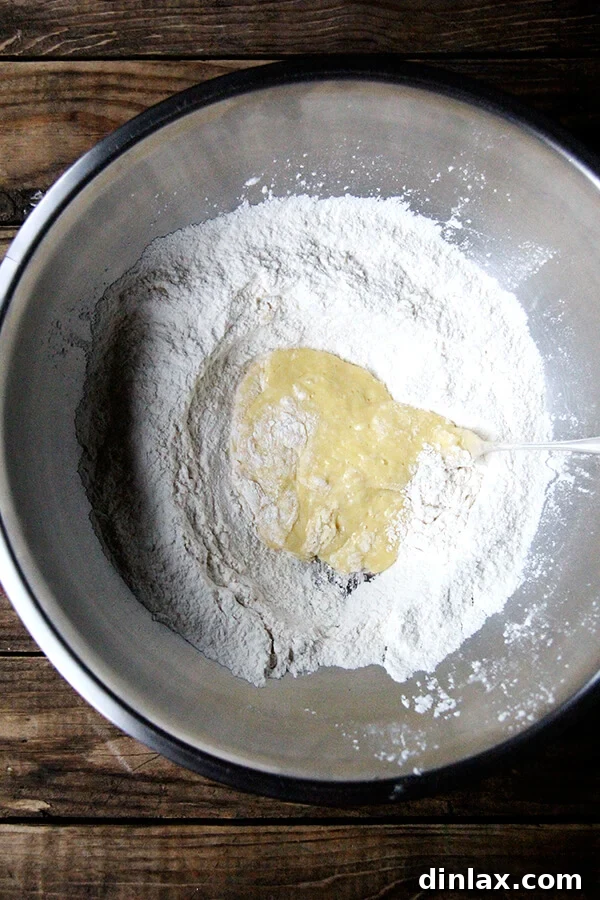
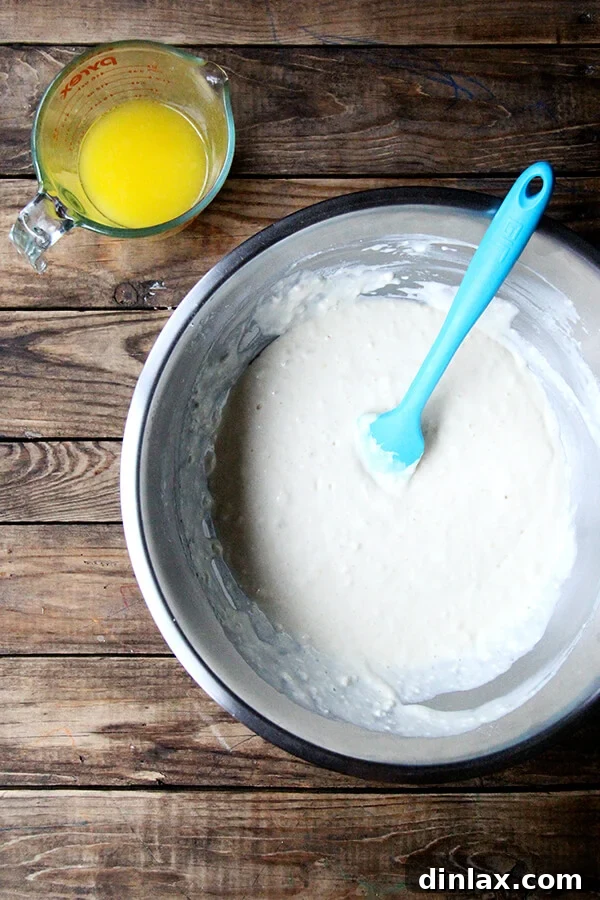
Through experimentation, I discovered a streamlined approach that works equally well, if not better, for simplifying the process without compromising on quality. My one-bowl method is incredibly straightforward: I combine all the dry ingredients – flour, sugar, baking powder, baking soda, and salt – directly in a large mixing bowl. Then, I crack the eggs right into the center of the dry mixture and whisk them vigorously, incorporating them into the surrounding flour, much like preparing pasta dough. This creates a thick, paste-like consistency. Next, I pour in the buttermilk and milk, gently stirring until just combined. Finally, the melted butter (which I conveniently melt in the microwave to save another dish!) is added and folded in until the batter is smooth. This elegant method drastically reduces cleanup, making these delicious fluffy buttermilk pancakes a genuinely accessible and enjoyable weekend staple for any home cook.
Why Buttermilk? The Secret to Unbeatable Flavor and Texture
The magic behind these light and fluffy pancakes lies largely in the power of buttermilk. Far from just a trendy ingredient, buttermilk plays a crucial scientific role in achieving that perfect pancake texture and taste. Its inherent acidity reacts with baking soda (a leavening agent), creating carbon dioxide bubbles that expand as the pancakes cook. This chemical reaction is what gives pancakes their characteristic rise and airy, tender crumb. Without buttermilk, the baking soda wouldn’t fully activate, leading to flatter, denser results.
Beyond its leavening properties, buttermilk also contributes a distinct, subtle tang that adds depth and complexity to the flavor profile, balancing the sweetness of the sugar. It tenderizes the gluten in the flour, resulting in a remarkably soft and moist pancake that practically melts in your mouth. This unique combination of acidity and fat makes buttermilk an irreplaceable ingredient for truly exceptional pancakes. If you don’t have buttermilk on hand, don’t despair! You can easily make a homemade substitute (see our tip below), ensuring you never miss out on these delightful buttermilk pancakes.
Beyond the Bowl: Essential Tips for Pancake Perfection
Achieving the perfect stack of homemade buttermilk pancakes goes beyond just a great recipe. Here are some invaluable tips to ensure your pancakes are consistently golden brown, perfectly fluffy, and utterly delicious every time:
- Don’t Overmix the Batter: This is perhaps the most crucial rule for fluffy pancakes. Overmixing develops the gluten in the flour, leading to tough, chewy pancakes. Mix until the wet and dry ingredients are just combined. A few small lumps are perfectly fine and even desirable!
- Rest Your Batter: Allow the pancake batter to rest for 5-10 minutes after mixing. This gives the gluten a chance to relax and the baking powder/soda time to start reacting, resulting in an even lighter texture.
- Master the Griddle Temperature: Heat is key. A griddle that’s too hot will burn the outside before the inside cooks through, while one that’s too cool will yield pale, greasy pancakes. Medium heat is usually ideal. Test by sprinkling a few drops of water; they should sizzle and evaporate within a couple of seconds.
- Go Small for Even Cooking: A trick I’ve found incredibly useful is to use a 2-tablespoon measuring cup to portion out the batter. Smaller pancakes cook more quickly and evenly, making them easier to flip and ensuring every bite is perfectly cooked. Aim for pancakes about three inches in diameter.
- Sourdough Discard Integration: For those who love a hint of sourdough tang, you can easily incorporate sourdough discard. Simply reduce the flour and buttermilk proportionally by weight. For example, if using 100 grams of 100% hydration sourdough discard, reduce the flour by 50 grams and the buttermilk by 50 grams from the recipe.
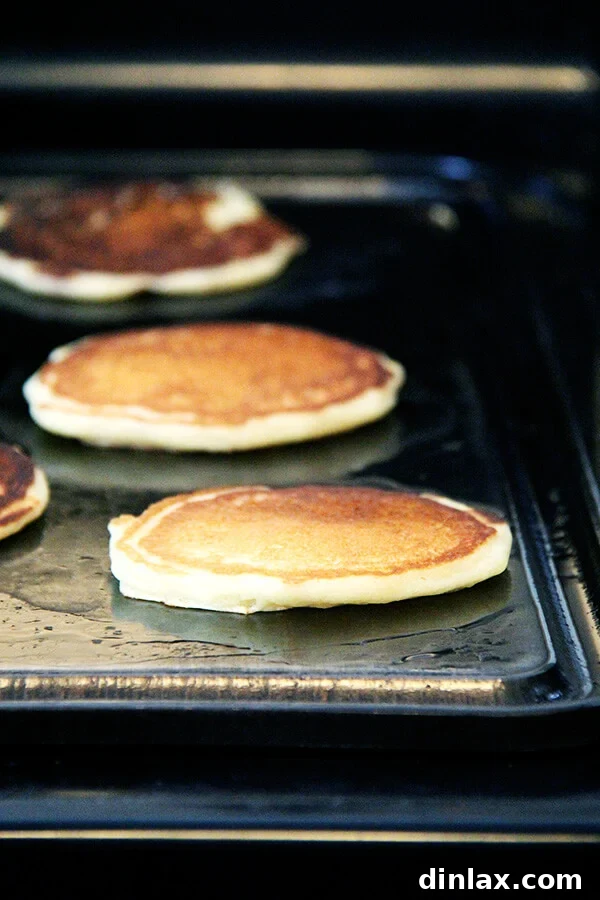
- Keep Cooked Pancakes Warm: As you cook batches of pancakes, you can keep them warm in a single layer on a baking sheet in a low oven (around 200°F / 95°C) while you finish the rest of the batter. This ensures everyone gets to enjoy warm pancakes.
Step-by-Step Guide: Crafting Your Fluffy One-Bowl Buttermilk Pancakes
Let’s walk through the simple steps to create these delightful one-bowl buttermilk pancakes, complete with visual cues to guide you along the way.
- Prepare Your Dry Ingredients: In your large mixing bowl, thoroughly whisk together the flour, sugar, salt, baking powder, and baking soda. Ensure they are well combined to distribute the leavening agents evenly.
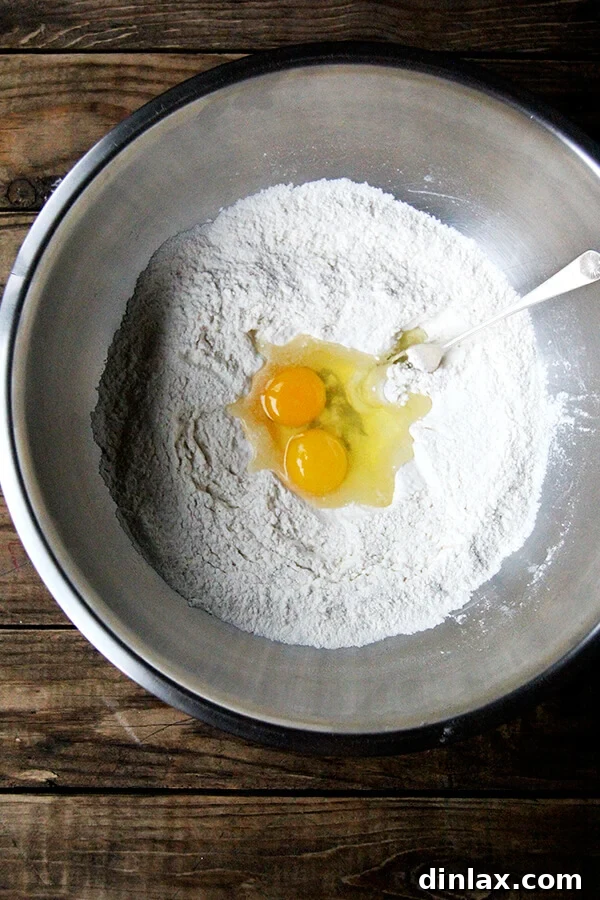
- Incorporate Eggs into Dry Ingredients: Crack the two large eggs directly into the center of your dry mixture. Using a fork, vigorously beat the eggs, gradually drawing in the surrounding flour until the eggs are fully incorporated and a thick, shaggy paste forms. This technique ensures a cohesive batter without the need for a separate egg bowl.
- Add Buttermilk and Milk: Pour in the measured buttermilk and milk. With a spatula or whisk, gently stir until the wet ingredients are just combined with the flour-egg mixture. Remember, a few lumps are fine – avoid overmixing!
- Fold in Melted Butter: Finally, add the melted and cooled butter to the batter. Stir until just incorporated. It’s crucial for the butter to be cooled to avoid cooking the eggs or affecting the leavening agents.
- Heat Your Griddle and Cook: Set a large shallow skillet or stovetop griddle over low heat, then gradually increase to medium. When hot (test with a drop of water – it should sizzle), lightly film the surface with canola or peanut oil. Using a 2-tablespoon measure (1/8 cup) or a small ladle, drop portions of batter onto the griddle, leaving enough space for them to spread into approximately 3-inch pancakes. Cook for about 2 to 3 minutes per side. You’ll know it’s time to flip when bubbles form on the surface, the edges look dry and airy, and a peek underneath reveals a beautiful golden brown color.
- Serve and Repeat: Transfer cooked pancakes to a cooling rack or a low oven to keep warm. Wipe any crumbs from the griddle, add a bit more oil if needed, and continue cooking the remaining batter until all those delicious fluffy pancakes are ready!
Ingredients: What You’ll Need for Pancake Bliss
Gathering your ingredients is the first step towards pancake perfection. Ensure they are fresh and measured accurately for the best results.
- 2 1/2 cups (320 g) all-purpose flour
- 2 tablespoons (25 g) granulated sugar
- 1 1/2 teaspoons (8 g) salt
- 1 teaspoon (4 g) baking powder
- 1 teaspoon (5 g) baking soda
- 2 large eggs
- 2 cups (468 grams) buttermilk
- 1/2 cup (128 g) whole milk (or milk of your choice)
- 10 tablespoons (142 g) unsalted butter, melted and cooled (salted butter can be used, just reduce added salt slightly)
- Canola or peanut oil for frying (or your preferred high-smoke point oil)
Making Buttermilk from Scratch: A Quick Fix
No buttermilk in the fridge? No problem! You can easily make a homemade substitute to ensure your pancakes are still incredibly fluffy. Simply place 2 cups of regular milk (preferably whole milk) in a liquid measuring cup or bowl. Add 2 tablespoons of fresh lemon juice or white vinegar. Stir gently and let it stand for 5-10 minutes. The milk will curdle slightly and thicken, becoming a perfect substitute for commercial buttermilk. Stir again until smooth before adding to your batter.
The Magic of Make-Ahead: Freezing and Reheating Your Pancakes
One of the most incredible benefits of this easy buttermilk pancake recipe is how beautifully the leftovers freeze. This recipe yields a generous batch of 18-20 pancakes, making it perfect for meal prepping a quick breakfast for busy weekdays or future weekend brunches. Once cooked, allow the pancakes to cool completely on a wire rack. This prevents them from becoming soggy when frozen. Arrange them in a single layer on a baking sheet and freeze until solid, about 1-2 hours. Then, transfer the frozen pancakes to an airtight freezer-safe bag or container, separating layers with parchment paper to prevent sticking. They will keep well in the freezer for up to 3 months.
Reheating is a breeze! Simply pop the frozen pancakes directly into a toaster oven, a conventional oven (at 350°F / 175°C for 5-10 minutes), or even a microwave until warmed through. They’ll emerge just as fluffy and delicious as when they were freshly made, ready to be topped with your favorite syrup and enjoy. This make-ahead capability ensures that a delightful pancake breakfast is always just minutes away, even on the busiest mornings.
Serving Suggestions: Elevate Your Pancake Experience
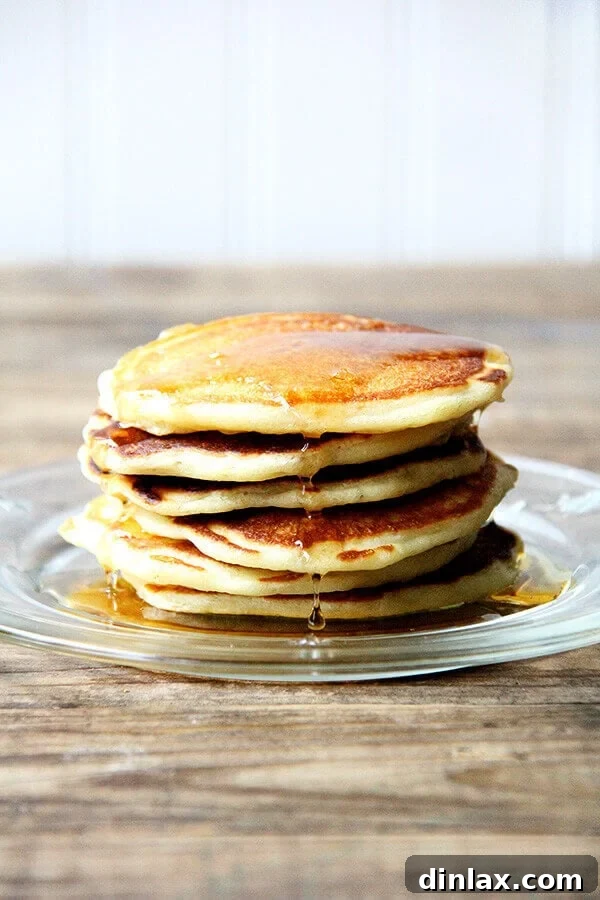
While classic maple syrup and a pat of butter are always a winner, these fluffy buttermilk pancakes are incredibly versatile and can be paired with a wide array of delicious toppings and sides to create an unforgettable breakfast or brunch. Here are some ideas to inspire you:
- Classic Toppings: Warm maple syrup, a dollop of butter, or a sprinkle of powdered sugar.
- Fresh Fruits: A vibrant medley of fresh berries (strawberries, blueberries, raspberries), sliced bananas, peaches, or apples adds natural sweetness and a refreshing contrast.
- Fruit Compotes & Jams: Homemade berry compote, apple butter, or your favorite fruit jam can elevate the flavor profile.
- Creamy Delights: A spoonful of whipped cream, Greek yogurt, or even a drizzle of cream cheese glaze.
- Nutty Indulgence: Chopped nuts like pecans or walnuts, or a drizzle of your favorite nut butter.
- Chocolate Lovers: Mini chocolate chips folded into the batter or sprinkled on top after cooking, or a rich chocolate sauce.
- Savory Pairings: For a hearty brunch, serve alongside crispy bacon, savory sausage, scrambled eggs, or a slice of ham. The sweet and savory combination is simply divine!
Frequently Asked Questions (FAQ)
- Q: Can I prepare the pancake batter ahead of time?
- A: While fresh batter is ideal for maximum fluffiness, you can prepare the batter a few hours in advance and store it covered in the refrigerator. However, the leavening agents (baking powder and baking soda) will begin to lose their potency, so pancakes might be slightly less fluffy than those made with fresh batter. You might notice a slight loss of bubbles.
- Q: How can I prevent my pancakes from being flat or dense?
- A: The key is not to overmix the batter. Mix until just combined, even if there are a few lumps. Also, ensure your baking powder and baking soda are fresh and active. Using buttermilk is also crucial for its acidic reaction with baking soda.
- Q: What’s the best way to ensure even cooking?
- A: Consistent griddle temperature (medium heat) and portioning the batter into smaller, uniform pancakes (using a 2-tablespoon scoop) are the best ways to ensure even cooking and golden results.
- Q: Can I use regular milk instead of buttermilk?
- A: You can, but it’s highly recommended to use the homemade buttermilk substitute mentioned above (milk + lemon juice/vinegar). Using plain milk without the acid will significantly impact the fluffiness and tang of the pancakes.
- Q: How do I store and reheat leftover pancakes?
- A: Once cooled, store them in an airtight container or freezer bag (with parchment paper between layers if freezing) for up to 3 days in the fridge or 3 months in the freezer. Reheat directly from frozen in a toaster oven, conventional oven, or microwave until warmed through.
Conclusion: Your New Go-To Pancake Recipe
These one-bowl buttermilk pancakes truly represent the best of both worlds: incredible flavor and texture combined with unparalleled ease of preparation. They eliminate the morning rush and extensive cleanup, transforming what can often be a daunting task into a simple, joyful experience. Whether you’re a seasoned breakfast chef or a novice in the kitchen, this recipe is designed for success, making fluffy, golden pancakes a regular and delightful part of your life. So, gather your ingredients, grab that one bowl, and get ready to create the best buttermilk pancakes you’ve ever tasted. Don’t forget to share your creations and tag us on social media!
Print Recipe
The BEST One-Bowl Buttermilk Pancakes
5 Stars 4 Stars 3 Stars 2 Stars 1 Star
4.9 from 11 reviews
- Author: Alexandra Stafford
Total Time: 40 minutes
Yield: 18–20 three-inch pancakes 1x
Description
A hit with adults and children alike, these light and fluffy one-bowl buttermilk pancakes have become a weekend staple. The batter comes together in no time, and the recipe yields a generous batch. What’s more, these delicious pancakes freeze beautifully, making them perfect for quick breakfasts anytime! 🥞
This streamlined recipe is adapted from The Kitchn, simplifying their original method into an effortless one-bowl process for ultimate convenience.
Notes for Perfection:
- Small Portions for Even Cooking: For the best results, use a 2-tablespoon measuring cup to portion out the batter onto the griddle. This ensures uniform size and quicker, more even cooking.
- Sourdough Discard Option: To incorporate 100 grams of 100% hydration sourdough discard, simply reduce the all-purpose flour by 50 grams and the buttermilk by 50 grams from the main recipe.
- Homemade Buttermilk Substitute: If you don’t have buttermilk, combine 2 cups of regular milk with 2 tablespoons of lemon juice or white vinegar. Let stand for 5-10 minutes until it curdles, then stir until smooth.
Ingredients
- 2 1/2 cups (320 g) all-purpose flour
- 2 tablespoons (25 g) granulated sugar
- 1 1/2 teaspoons (8 g) salt
- 1 teaspoon (4 g) baking powder
- 1 teaspoon (5 g) baking soda
- 2 large eggs
- 2 cups (468 grams) buttermilk
- 1/2 cup (128 g) whole milk
- 10 tablespoons (142 g) unsalted butter, melted and cooled
- Canola or peanut oil for frying
Instructions
- Prepare Griddle: Set a large shallow skillet or stovetop griddle over low heat.
- Mix Batter (One-Bowl Method): In a large bowl, whisk together the flour, sugar, salt, baking powder, and baking soda. Crack the eggs directly into the dry ingredients and beat with a fork until the eggs are whisked and incorporated into the surrounding flour, creating a thick paste. Add the buttermilk and milk, then stir with a spatula until just combined. Finally, add the melted, cooled butter and stir until just incorporated. Be careful not to overmix; a few lumps are fine.
- Preheat & Grease: Turn the heat under the skillet up to medium. When hot, lightly film with a thin layer of canola or peanut oil.
- Cook Pancakes: Using a two-tablespoon (1/8 cup) measure or a large spoon, drop pancake batter into the skillet, ensuring space between each pancake for spreading (they will be about 3 inches wide). Cook for about 2 to 3 minutes per side. Look for bubbles forming on the edges and dry, airy appearance before gently flipping. Cook the other side for 2 to 2 1/2 minutes, until golden brown. If the pancakes scorch or oil smokes, lower the heat.
- Serve or Keep Warm: Transfer cooked pancakes to a cooling rack or a low oven (around 200°F / 95°C) to keep warm. Scrape any stray crumbs or scraps out of the skillet, add a little more oil if needed, and continue cooking the remaining batter.
- Storage: Store leftover pancakes at room temperature in an airtight bag or container for up to 3 days, or freeze for up to 3 months. Reheat from frozen in a toaster oven, conventional oven, or microwave.
- Prep Time: 10 minutes
- Cook Time: 30 minutes
- Category: Breakfast
- Method: Stovetop
- Cuisine: American