Mastering the Art of Lemon Garnish: A Comprehensive Step-by-Step Guide
A beautifully cut lemon garnish can transform an ordinary drink or dish into an extraordinary culinary experience. Whether you’re a home cook aiming for better food presentation or a budding mixologist perfecting your craft, knowing how to properly cut a lemon is an indispensable skill. This guide will walk you through the process of creating elegant lemon garnishes, ensuring your creations always look as good as they taste. From classic wheels to versatile wedges and impressive twists, we’ll cover the techniques that will make your citrus shine.
Why Perfect Lemon Garnishes Matter
Lemons are more than just a source of tart juice; their bright color, refreshing aroma, and distinctive shape make them ideal for visual enhancement. A well-placed lemon garnish doesn’t just look appealing; it hints at the fresh flavors within, enticing the senses even before the first bite or sip. From a simple glass of water to an elaborate cocktail or a delicate seafood dish, the right lemon garnish adds a touch of sophistication and zest that truly elevates the overall presentation. Learning these simple cutting techniques will empower you to add that professional touch to all your culinary endeavors.
Essential Tools for Precision Lemon Cutting
Before you begin, ensure you have the right tools at hand. Quality equipment makes the task easier, safer, and yields better results. You don’t need fancy gadgets, just a few kitchen staples:
- A Sharp Knife: This is arguably the most crucial tool. A sharp chef’s knife or a paring knife will ensure clean, precise cuts without crushing the lemon, preserving its juicy integrity and appealing shape. Dull knives are not only frustrating but also dangerous.
- A Sturdy Cutting Board: A stable surface is vital for safety and control. Choose a non-slip cutting board to prevent accidents while you work.
- Fresh Lemons: Select firm, bright yellow lemons with smooth, unblemished skin. Organic lemons are often preferred if the zest is also being used, but any good quality lemon will suffice for garnishing.
Basic Lemon Cuts for Versatile Garnishes
There are several fundamental ways to cut a lemon for garnish, each serving a unique purpose and aesthetic. Mastering these basic cuts will provide a solid foundation for more intricate designs.
The Classic Lemon Wheel (or Slice)
Perhaps the most common and versatile lemon garnish, the wheel offers a broad surface area for visual impact and can be easily notched or fanned. It’s perfect for drinks, fish dishes, and decorative platters.
The Practical Lemon Wedge
Ideal for squeezing juice into a dish or drink, lemon wedges are also a popular and functional garnish. They offer a more robust presentation and are easy to handle. Wedges are frequently seen alongside seafood, in water glasses, or with various fried dishes.
The Elegant Lemon Twist/Curl
A strip of lemon peel, often twisted, adds an aromatic flourish to cocktails and desserts. This type of garnish emphasizes the fragrant oils in the lemon zest, providing a sensory experience beyond just sight.
The Zesty Lemon Zest
While not a “cut” in the traditional sense for a garnish, finely grated or peeled zest adds intense flavor and a delicate sprinkle of color to both sweet and savory dishes.
Step-by-Step Guide: How to Cut a Classic Lemon Wheel Garnish
Follow these simple steps to create perfectly round, elegant lemon slices ideal for any presentation.
Step 1: Prepare Your Lemon for Cutting
Before making any cuts, thoroughly wash your lemon under cold running water. Gently scrub the skin to remove any dirt, wax, or residues, especially if you plan to use the peel. Place the clean lemon on your cutting board. For optimal stability and to ensure even cuts, it’s often helpful to first trim a very thin slice from both ends of the lemon. This creates flat surfaces that allow the lemon to sit securely on the board without rolling.
Step 2: Halving the Lemon for Easier Slicing
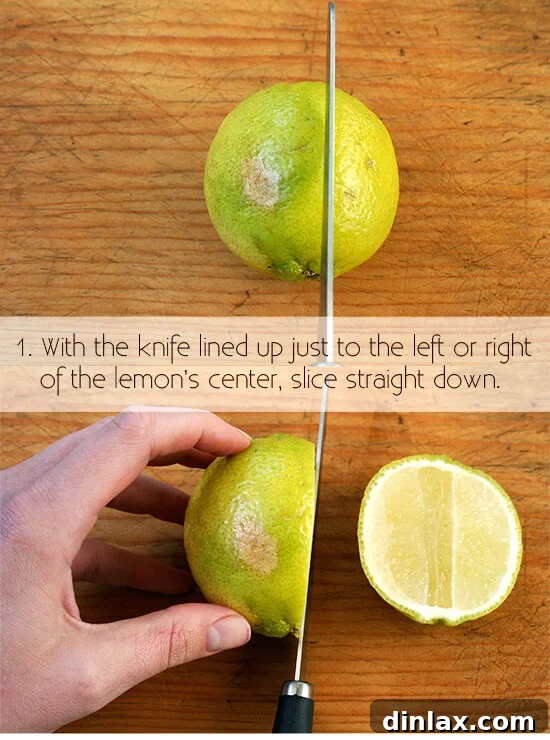
Once your lemon is stable, carefully cut it in half lengthwise from end to end. This crucial step prepares the lemon for easier and more uniform slicing. Cutting the lemon lengthwise helps maintain the structural integrity of the fruit and allows you to create full, attractive semi-circular slices. Ensure your knife is sharp and make a steady, even cut through the center of the lemon. This technique also makes it easier to remove any seeds before slicing, if desired.
Step 3: Creating Uniform Lemon Slices (Wheels)
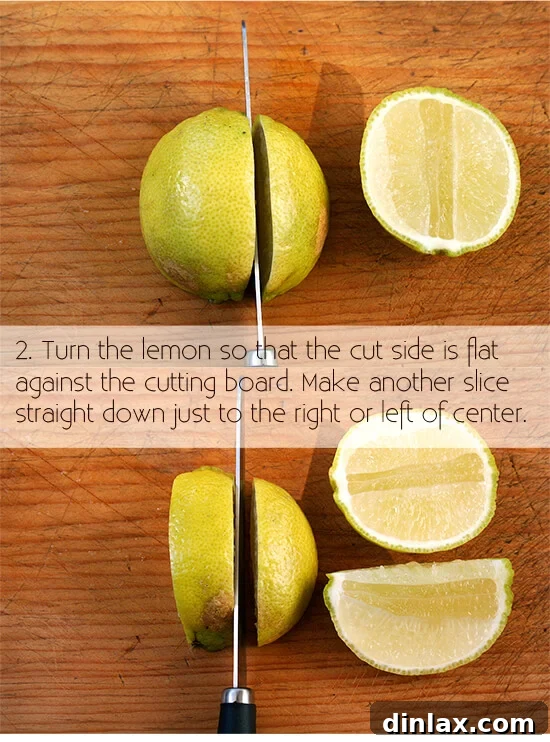
With the lemon halves resting flat on your cutting board (cut side down for maximum stability), begin slicing each half crosswise into thin, uniform pieces. Aim for slices that are about ⅛ to ¼ inch thick, depending on your desired aesthetic and application. Consistency is key here; uniform slices look professional and provide an even distribution of flavor and aroma. Use a gentle back-and-forth sawing motion with your sharp knife, rather than pressing down, to achieve clean cuts without tearing the fruit or squeezing out too much juice. Arrange the slices neatly as you cut them.
Step 4: Perfecting Your Garnish and Presentation
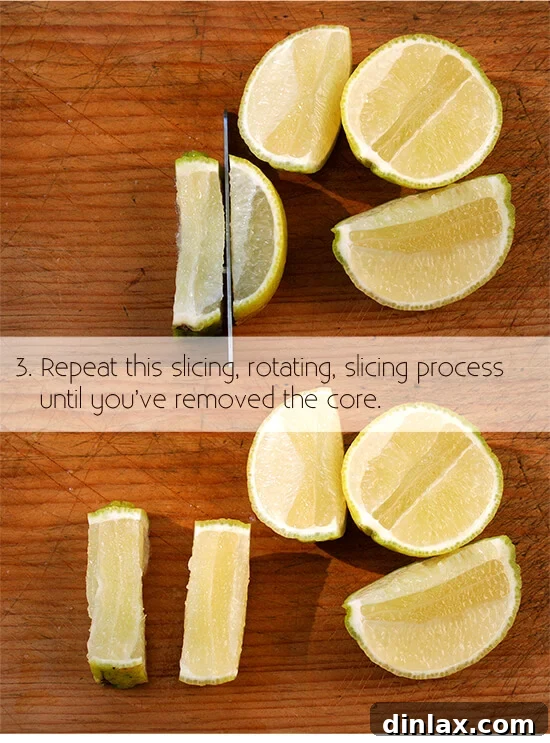
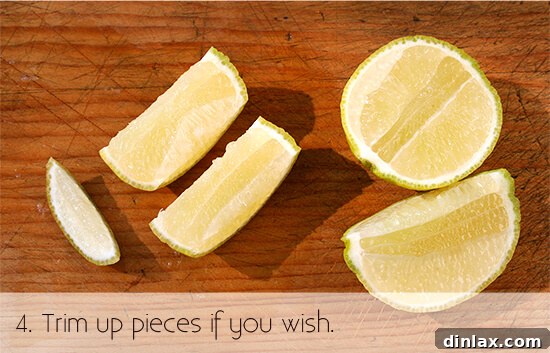
Now that you have your beautifully cut lemon slices, it’s time to refine them for presentation. For a classic look, make a small cut from the center of each slice to the rind. This allows you to perch the slice on the rim of a glass or fan out multiple slices artfully. You can also gently twist the slice to create a more dynamic shape or interlock several slices for an intricate display. Experiment with fanning them out slightly or creating a small “rose” by curling a strip of peel. The final touch of presentation truly elevates the simple lemon slice into an attractive garnish, ready to adorn your culinary creations.
Beyond the Slice: Advanced Lemon Garnish Techniques
Once you’ve mastered the basic lemon wheel, you can explore more sophisticated garnishes that add flair and complexity to your presentations.
Lemon Wedges: Functional and Flavorful
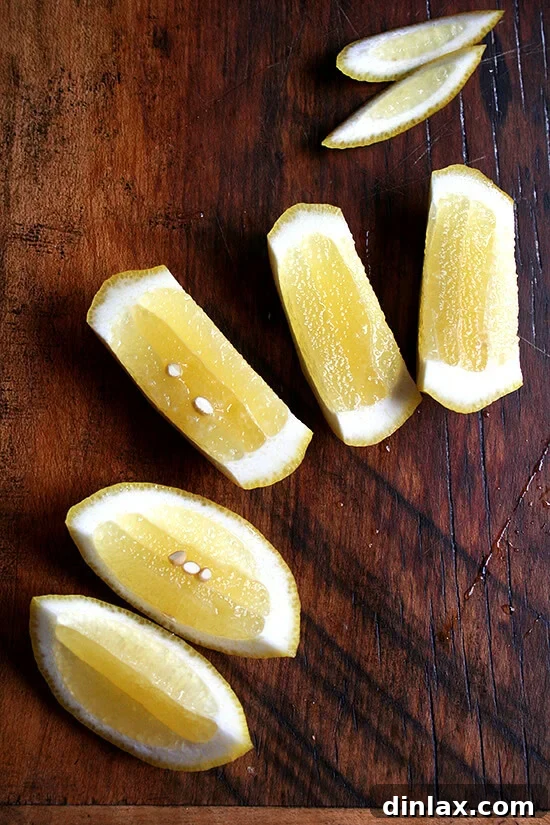
To cut wedges, start by halving the lemon lengthwise. Then, place each half cut-side down and slice it lengthwise into two or three equal wedges. For a more decorative touch, you can make a small cut in the pulp of each wedge without going through the peel, allowing it to sit neatly on a glass rim.
Lemon Twists and Spirals: Aromatic Elegance
For a classic lemon twist, use a sharp paring knife or a channel knife to peel a thin, long strip of zest from the lemon, avoiding the bitter white pith. You can then gently twist this strip around your finger, a spoon handle, or a skewer to create a beautiful curl. For a more dramatic spiral, cut a wider strip of peel and carefully trim it into a continuous spiral shape. These twists are perfect for cocktails where the aromatic oils are desired.
Lemon Rosettes: Impressive and Intricate
While more advanced, a lemon rosette makes a stunning centerpiece garnish. This involves thinly slicing a lemon and then carefully coiling the slices around each other, securing them with a toothpick if necessary, to form a rose-like shape. Practice makes perfect with this beautiful and eye-catching technique.
Tips for the Perfect Lemon Garnish Every Time
- Always Use Fresh Lemons: The fresher the lemon, the more vibrant its color, scent, and firm its texture, all of which contribute to a better garnish.
- Maintain a Sharp Knife: A dull knife crushes rather than cuts, resulting in messy, bruised slices. A sharp knife ensures clean edges and preserves the lemon’s delicate structure.
- Cut with Precision and Uniformity: Strive for consistency in thickness and shape. Uniform garnishes demonstrate attention to detail and professional skill.
- Store Prepared Garnishes Properly: If preparing garnishes in advance, store them in an airtight container in the refrigerator. You can place a damp paper towel over them to prevent drying out.
- Consider the Dish or Drink: Match your garnish to the item it accompanies. A delicate twist might suit a martini, while a robust wedge is perfect for a fish and chips platter.
- Remove Seeds: Before serving, quickly check and remove any visible seeds from your slices or wedges to avoid an unpleasant surprise for your guests.
The Versatility of Lemon Garnishes in Culinary Arts
The humble lemon garnish extends far beyond a simple accent. Its versatility allows it to enhance a myriad of dishes and beverages, adding both visual appeal and a subtle aromatic lift.
- Beverages: From sparkling water and iced tea to elaborate cocktails like gin and tonics, mojitos, and margaritas, a lemon slice or twist is often the signature touch. It signals freshness and adds a delightful aroma with every sip.
- Savory Dishes: Lemon garnishes are a natural complement to seafood, poultry, and salads. A simple lemon wheel nestled beside a grilled salmon fillet or chicken breast not only looks inviting but also provides an easy way for diners to add a fresh squeeze of juice. They also brighten up rich sauces and vinaigrettes.
- Desserts: While less common for direct garnish, thin slices or finely grated zest can adorn tarts, cheesecakes, and fruit salads, offering a contrasting tartness and beautiful color. Candied lemon slices are another exquisite option for sweet applications.
- Appetizers and Platters: Lemon slices or wedges can elegantly frame cheese boards, charcuterie spreads, or platters of smoked fish, adding a refreshing element and breaking up visual monotony.
By understanding these various applications, you can strategically employ your perfectly cut lemon garnishes to elevate almost any culinary creation.