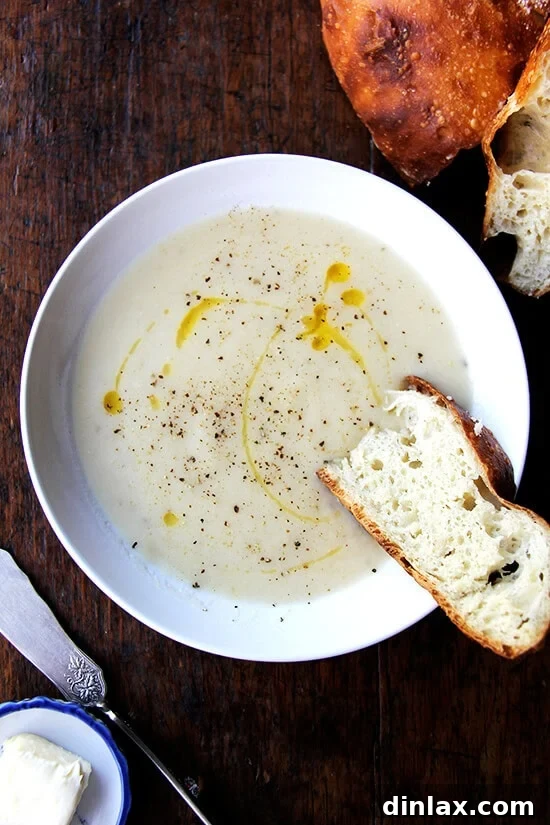
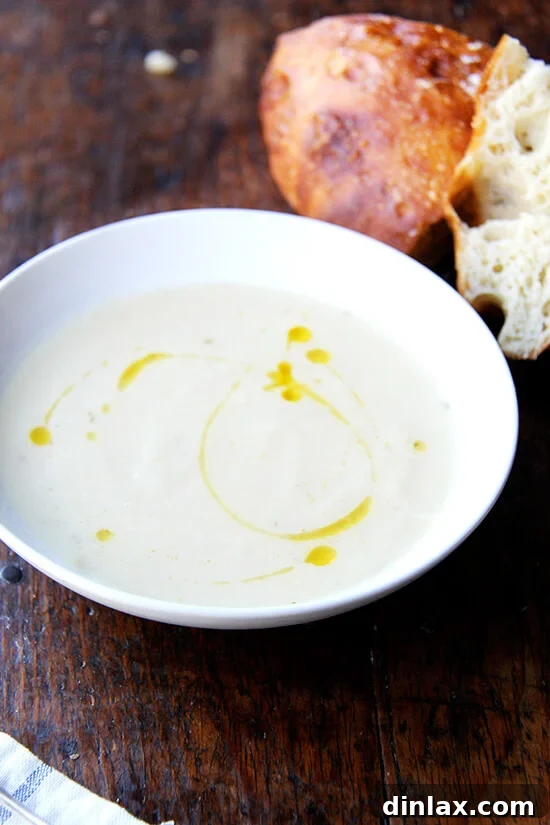
As the crisp air settles in and leaves begin to turn, there’s an undeniable call for the warmth and comfort that only a steaming bowl of soup can provide. Soup season isn’t just about delicious meals; it’s about the inviting aromas filling your home, the nourishing embrace on a chilly day, and the joy of creating something truly special in your kitchen. This year, we’re kicking off the season with a particularly delightful and surprisingly simple creation: a creamy Parsnip and Pear Soup. It’s a harmonious blend of earthy sweetness and velvety texture, perfect for embracing the colder months.
My culinary journey has often circled back to the humble, yet powerful, art of soup making. I fondly recall my time at the renowned Fork Restaurant, where I spent countless hours mastering the foundational elements of hot soups. My daily routine involved prepping vast quantities of carrots, parsnips, onions, and celery – the essential aromatic quartet that formed the base of every exquisite soup crafted by Chef Thien. It was a rigorous education in kitchen efficiency and the sheer volume required to feed a bustling restaurant.
Each morning, the kitchen transformed into a symphony of chopping boards and simmering cauldrons. The constant movement between walk-in coolers and stovetops, heavy aluminum bowls in hand, became second nature. Hours of peeling, dicing, and chopping were demanding, initially leading to blisters, but these soon gave way to calloused hands – a testament to the dedication required. This intense, hands-on experience taught me invaluable lessons about precision, speed, and the often-overlooked profitability of soup in the culinary world. As Chef Thien often reminded me, soup was not just a dish; it was a cornerstone of a restaurant’s financial success, offering hearty portions at a manageable cost.
While the prospect of extensive vegetable prep might seem daunting, the investment of time almost always yields immense rewards. Homemade soups offer unparalleled flavor, control over ingredients, and the ability to feed a family or a crowd generously. To ensure your soup-making endeavors are as smooth and enjoyable as possible, I’ve compiled a few essential tips gleaned from my professional kitchen days. These strategies are designed to boost your efficiency, reduce stress, and elevate your homemade soups to restaurant-quality standards.
Mastering the Art of Efficient Soup Making
Creating exceptional soup doesn’t have to be an arduous task. With the right tools and a smart approach, you can streamline your process and enjoy more time savoring your delicious creations. Here are six indispensable tips for becoming a more efficient soup maker:
1. Invest in a Quality, Sharp Chef’s Knife. A sharp knife is not just a luxury; it’s a fundamental safety tool and a massive time-saver in the kitchen. When prepping a large volume of vegetables for soup, a dull knife requires more force, increasing the risk of slips and accidents, and making the task significantly more laborious. A high-quality chef’s knife, paired with consistent sharpening, makes chopping feel effortless and precise. For ease of maintenance, I highly recommend a simple, yet effective, Wusthof knife sharpener. It’s a small investment that pays dividends in safety, efficiency, and sheer enjoyment of cooking, especially if you find traditional sharpening stones intimidating.

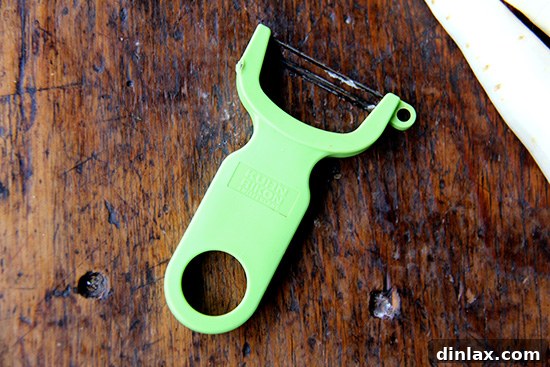
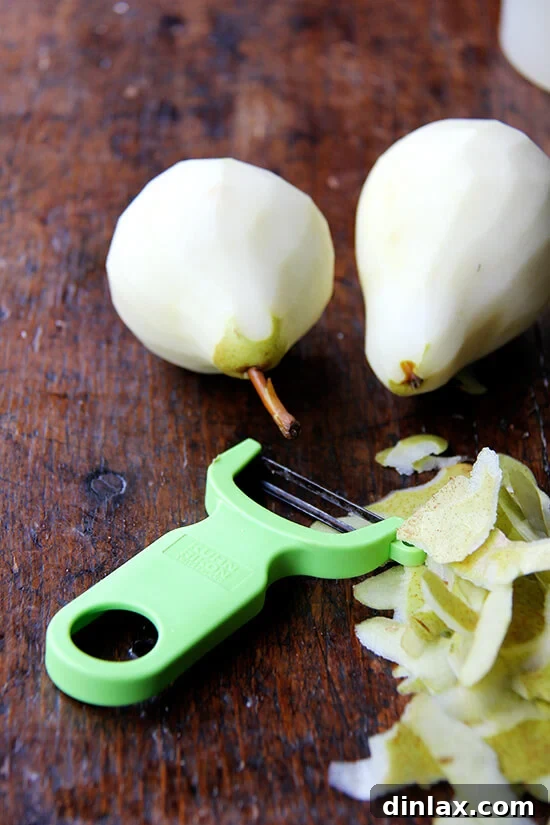
2. Don’t Underestimate a Good Peeler. While a sharp knife is crucial, a reliable peeler is equally important for certain vegetables, particularly root vegetables like parsnips, carrots, and potatoes. A flimsy or dull peeler can turn a quick task into a frustrating chore. A high-quality peeler glides effortlessly, removing only the skin and minimizing waste, saving you both time and ingredients. This particular model has been my trusted companion for years, proving its worth with every use.
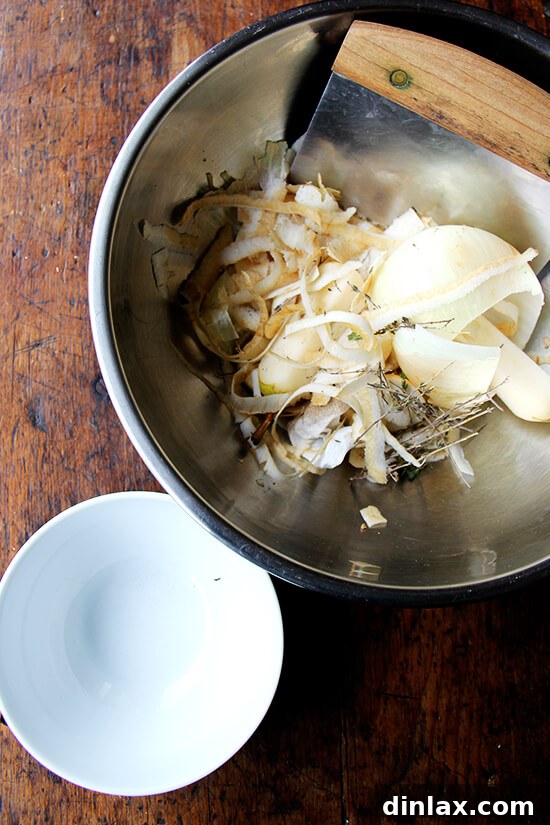
3. Embrace the “Garbage Bowl” and Bench Scraper System. One of the simplest yet most effective ways to maintain a clean and efficient workspace, especially when dealing with significant peeling and chopping, is to adopt the “garbage bowl” method. Designate a large, light bowl as your dedicated receptacle for all vegetable scraps and trimmings. Keep it within arm’s reach while you work. Pair this with a sturdy bench scraper, which makes quick work of transferring chopped vegetables to a separate, smaller bowl before adding them to your soup pot. This system minimizes trips to the main garbage can, prevents your cutting board from becoming cluttered, and helps you adhere to the professional “mise en place” principle – everything in its place before you start cooking.
4. Prioritize Homemade Stock for Superior Flavor. While convenient store-bought stocks are readily available, there’s no substitute for the depth of flavor that homemade stock brings to your soup. It elevates a simple dish to an extraordinary culinary experience. Many delicious soups can indeed be made without any stock, relying on water and fresh ingredients, as seen in French Onion Soup, but when a recipe specifically calls for chicken, beef, or vegetable stock, opt for homemade whenever possible. Don’t be intimidated by recipes specifying exotic stocks; a good homemade chicken stock is incredibly versatile and can almost always be substituted. Plus, making stock is surprisingly easy, often utilizing vegetable scraps and chicken bones that might otherwise be discarded. For a quick and flavorful base, try this Homemade Vegetable Stock recipe, or our classic Homemade Chicken Stock.
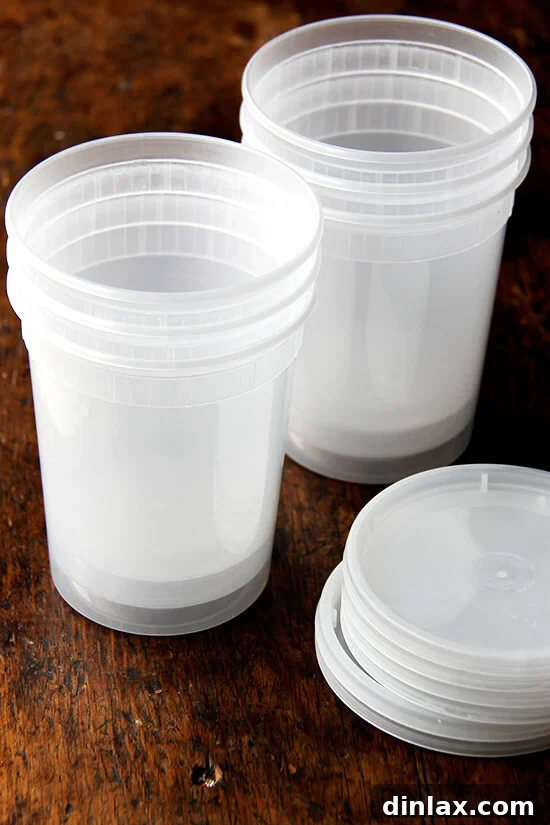
5. Organize with the Right Storage Containers. Batch cooking soup is a fantastic way to save time and ensure you always have a healthy meal on hand. Effective storage is key to making the most of your efforts. Last year, I embarked on a mission to replace all my old plastic containers with glass for everyday use. However, when it comes to freezing soups and stocks, plastic is undeniably superior, as glass jars can shatter in the freezer. These BPA-free quart containers are perfect for freezing generous portions of homemade stock or leftover soup. Having a variety of appropriately sized, freezer-safe containers readily available transforms meal prep and simplifies future dining, making it a joy to grab a homemade meal from the freezer.
6. Invest in an Immersion Blender for Creamy Soups. For effortlessly smooth and creamy puréed soups, an immersion blender is an absolute game-changer. Unlike traditional blenders that require transferring hot liquids in batches, an immersion blender allows you to purée directly in the pot, significantly reducing mess and cleanup. My own immersion blender is a simple, no-frills model that I’ve had for years, purchased for around $35. You don’t need an expensive gadget; even an entry-level immersion blender will transform your puréed soups, making them velvety smooth with minimal effort.

These tips, honed through years in professional kitchens and home cooking, are designed to make your soup season more enjoyable and less daunting. What soups have you been making lately, and what are your go-to tips for efficient soup preparation? Share your wisdom!
How to Make Creamy Parsnip and Pear Soup
This Parsnip and Pear Soup recipe, adapted from Daniel Humm and Will Guidara’s “I Love NY: Ingredients and Recipes,” offers a delightful balance of sweet and savory. The parsnips bring an earthy depth, while the pears add a subtle sweetness and velvety texture. It’s a sophisticated yet comforting dish perfect for any occasion.
Pear and parsnip soup ingredients: 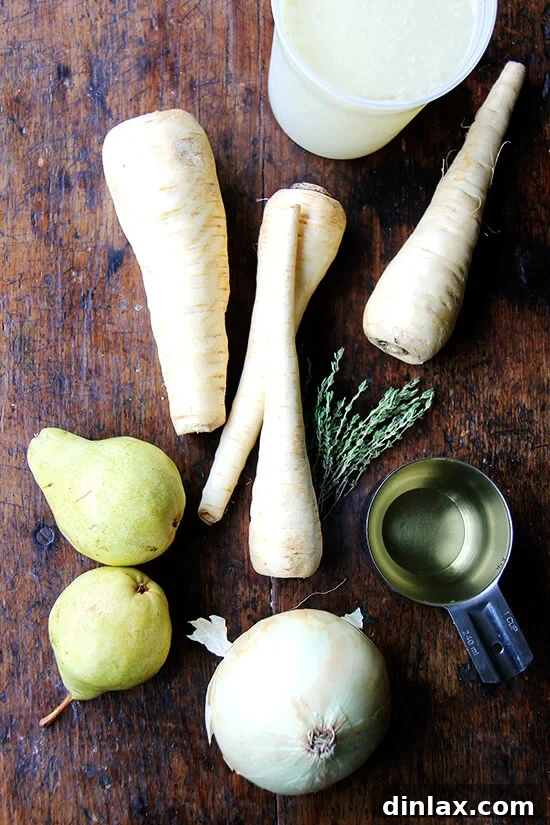
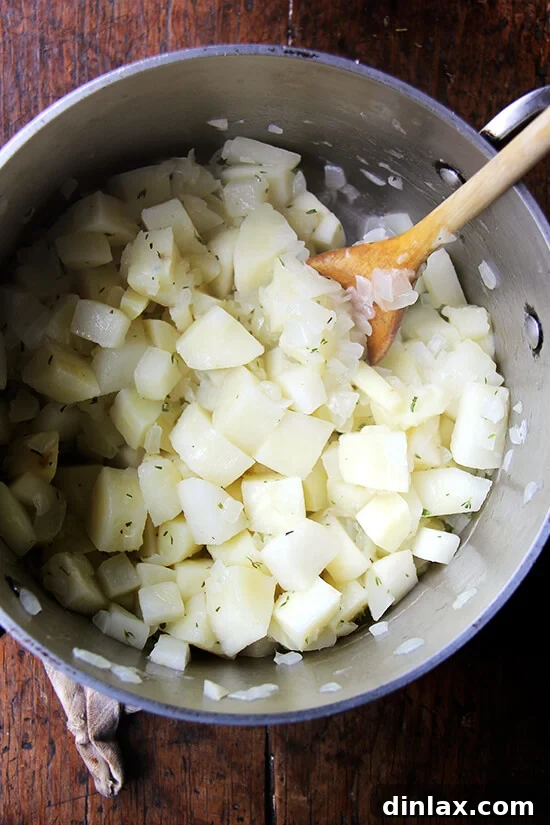
Is there any better smell than onions sweating in butter? The aromatic base for this delicious soup.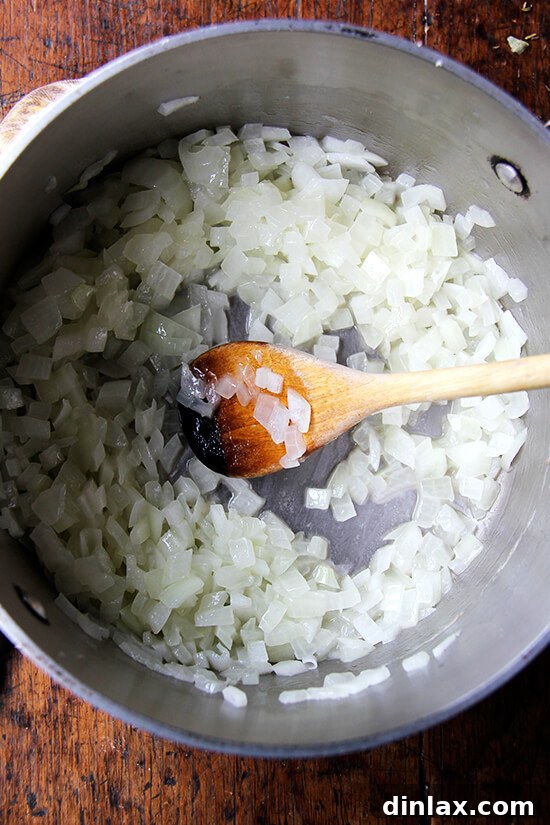
Serve with lots of crusty bread to soak up every last drop: 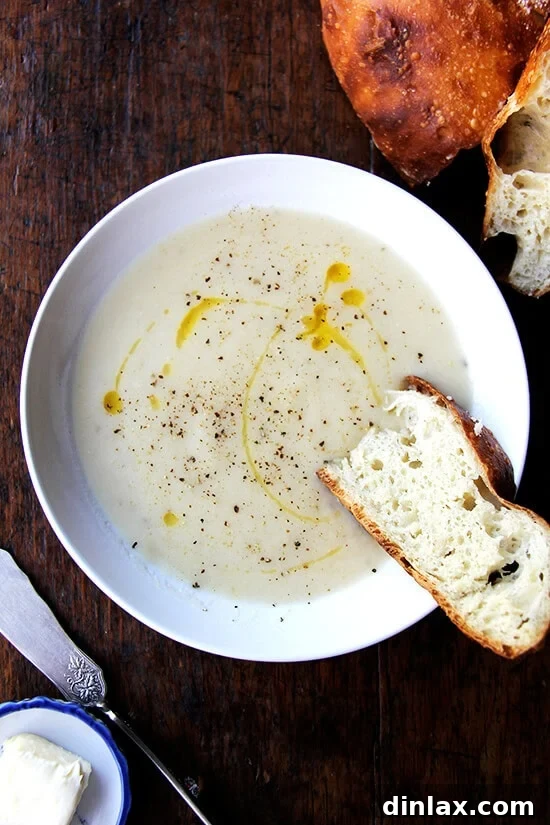
Print Recipe
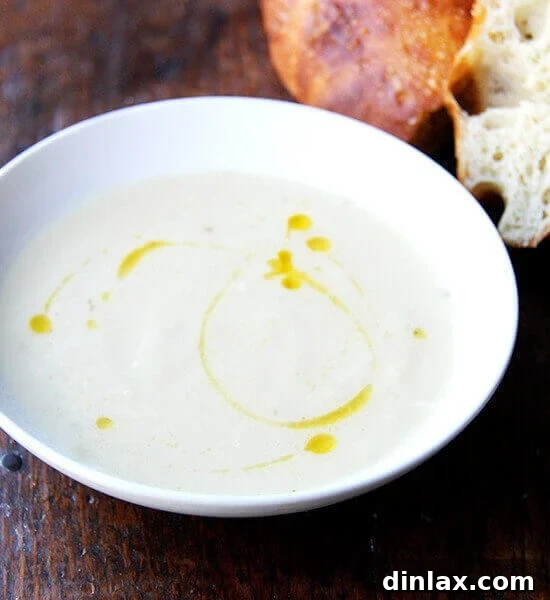
Creamy Parsnip & Pear Soup
4.5 from 2 reviews
- Author: Alexandra Stafford
- Yield: 4 servings
Description
Source: Daniel Humm and Will Guidara’s I Love NY: Ingredients and Recipes
A doubled version of the original recipe, which calls for making a vanilla-almond oil, can be found here.
Ingredients
- 2 tablespoons unsalted butter or olive oil
- 1 cup shallots or onions, small diced
- kosher salt
- 2 cups parsnips, peeled and roughly chopped (2 to 3 parsnips depending on size)
- ½ cup celery root, optional
- fresh thyme leaves, minced, about a tablespoon or so (original recipe calls for rosemary)
- 1 to 2 cups pear, peeled and roughly chopped (1 to 2 pears)
- 1 cup dry white wine
- 5 cups homemade chicken stock or vegetable stock
- ½ cup half-and-half or cream
- Pear vinegar or other: I use white balsamic vinegar
- truffle oil (optional, for drizzling, so good)
- Pepper to taste
- bread, for serving
Instructions
- In a medium stockpot, melt the butter over medium-low heat, add the shallots or onions, a pinch of salt, and sweat for 2 to 3 minutes until softened and fragrant. Add the parsnip, celery root (if using), minced thyme, and another pinch of salt. Continue to sweat for 5 to 6 minutes, allowing the flavors to meld and the vegetables to soften slightly. Add the peeled and chopped pear, and continue cooking for 4 to 5 minutes, stirring occasionally.
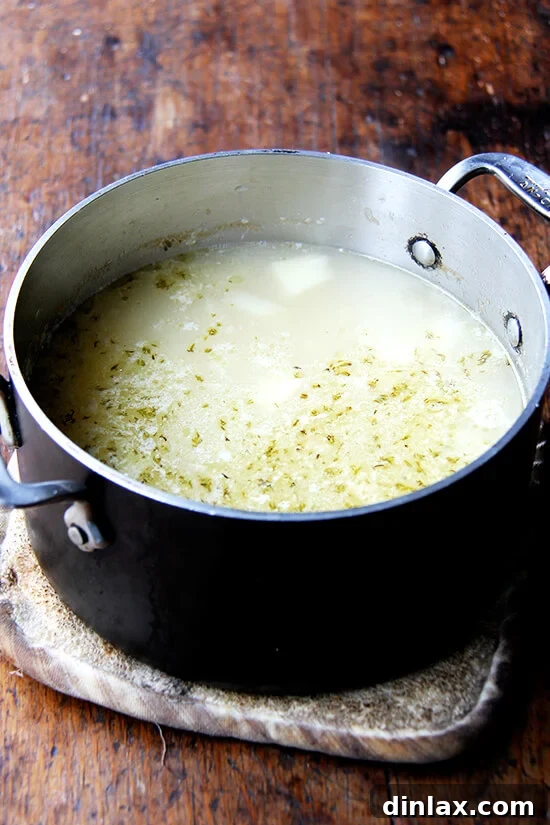
- Pour in the dry white wine, increase the heat to high, and bring the mixture to a vigorous simmer. Reduce the liquid by half, which usually takes about 5 minutes or until the strong alcohol aroma dissipates, leaving behind a concentrated, aromatic base. Add the homemade stock and a final pinch of salt. Bring the soup to a boil, then immediately reduce the heat to a gentle simmer. Cook uncovered for 45 minutes, or until the vegetables are very tender and easily pierced with a fork. Remove the soup from the heat and stir in the half-and-half or cream for added richness and creaminess.
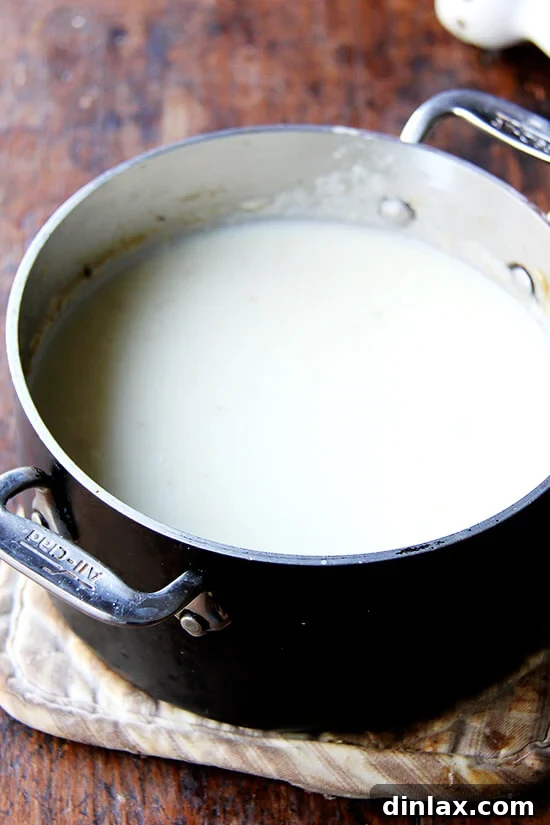
- Carefully transfer the soup in batches to a standard blender, ensuring not to overfill, and blend on high speed until completely smooth. Alternatively, for a quicker and less messy option, use an immersion blender directly in the pot, puréeing until the soup reaches your desired silky consistency. Taste the puréed soup and adjust seasonings, adding more salt if necessary to enhance the flavors.
- To serve, ladle the warm, creamy soup into bowls. Finish each serving with a few drops of pear vinegar or white balsamic vinegar for a touch of bright acidity. Drizzle with truffle oil if desired – its earthy aroma beautifully complements the parsnip and pear. Season with freshly ground black pepper to taste. Serve immediately with generous slices of crusty bread, perfect for dipping and enjoying every last drop of this comforting soup.