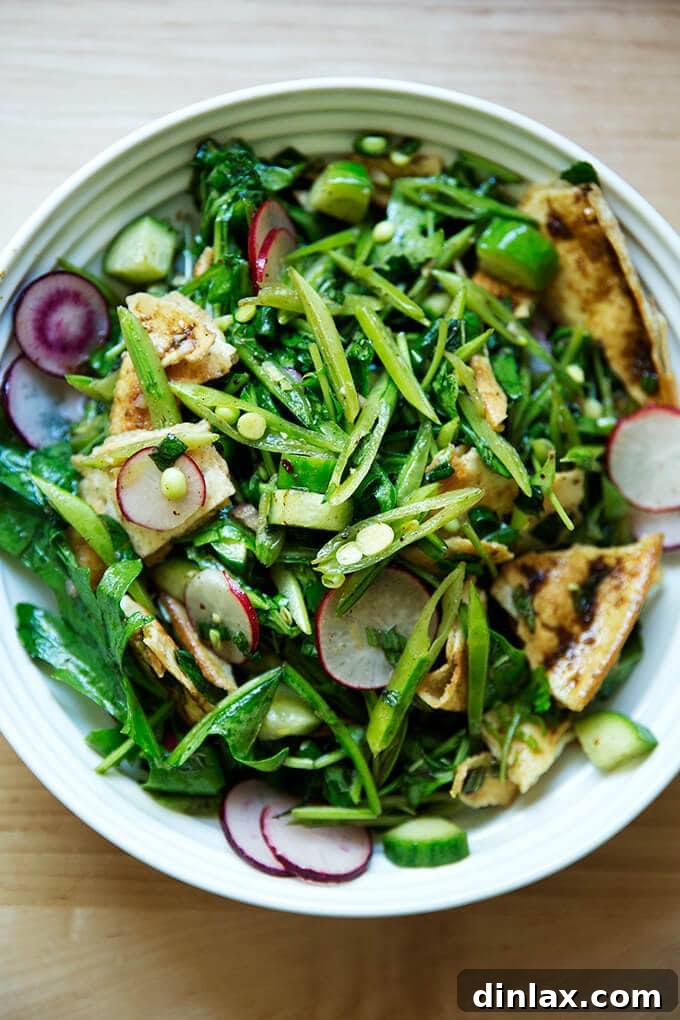
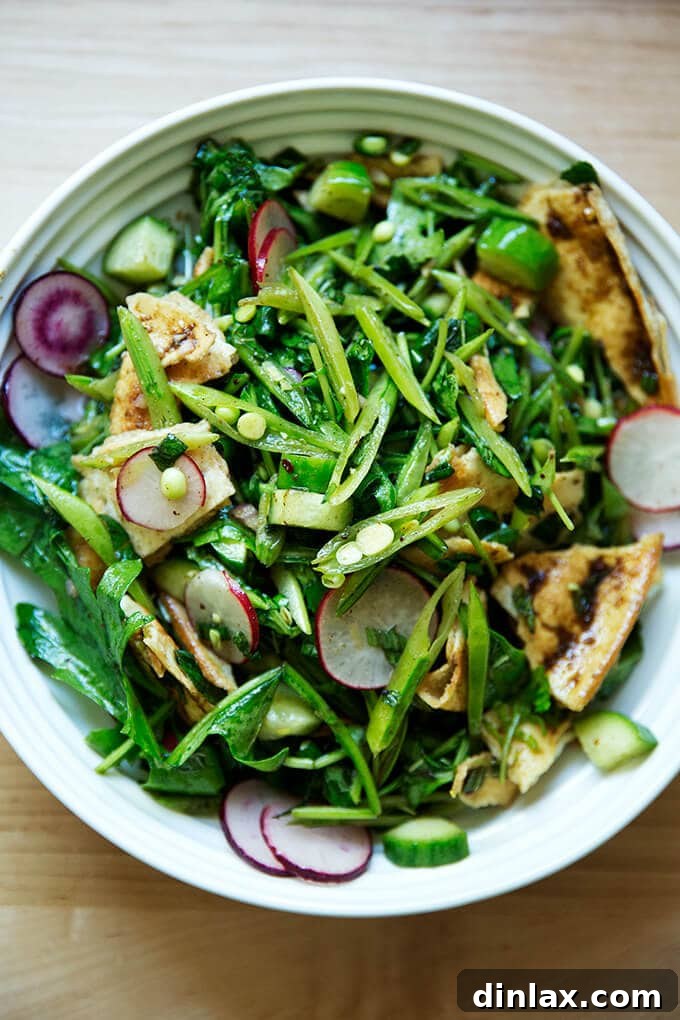
Embarking on the journey to craft an authentic Fattoush salad can often feel like diving into a rich culinary tradition, leading many down a delightful path of discovery. Just a few weeks ago, I found myself reminiscing about the truly exceptional Fattoush my Lebanese friend, Liliane, served at her home during a memorable summer lunch. Her rendition was wonderfully simple yet bursting with flavor: perfectly ripe tomatoes and cucumbers, crisp lettuce, expertly toasted pita bread, a bright and simple dressing, a generous drizzle of pomegranate molasses, and a sprinkle of aromatic za’atar. I distinctly remember thinking, “I could happily live on this salad forever.”
The Spring Fattoush salad I’m sharing here is not Liliane’s exact recipe, but it thoughtfully incorporates many of the same essential elements and the spirit of her culinary wisdom. For key ingredients like the fresh pita and authentic pomegranate molasses, I made a special trip to Nora’s Grocery in Albany – a hidden gem Liliane had encouraged me to visit for years. This charming shop is a treasure trove of Middle Eastern delights, but the pita alone makes the visit worthwhile, as it’s flown in fresh from Montreal every Thursday morning. Nora, the owner, is incredibly hospitable, and I couldn’t resist leaving with a ball of her homemade cheese, a tub of her beloved labneh, and a jar of exquisite rose jam (which, as Nora instructed, pairs perfectly with labneh on toast – more on that delightful combination soon!).
Given that ripe, in-season tomatoes are still a little while away, I’ve adapted the classic Fattoush composition to embrace the bounty of spring. This version features thinly slivered snap peas, crisp radishes, and refreshing cucumbers, offering a delightful twist on tradition. I wholeheartedly encourage you to take a similar approach: embrace flexibility and utilize the freshest, most vibrant vegetables currently available or whatever you happen to have on hand. The beauty of Fattoush lies in its adaptability and celebration of fresh produce.
Ultimately, if you adhere to the fundamental Fattoush philosophy – a medley of freshly chopped vegetables, a generous abundance of fragrant herbs, crispy pita chips, and a characteristic Fattoush dressing – you are guaranteed to create something incredibly delicious, regardless of the precise vegetable combination. Let’s delve into the essential components that make this salad so irresistible and easy to customize.
Crafting the Perfect Fattoush Salad Dressing
The dressing is arguably the soul of any Fattoush salad, tying all the vibrant flavors together with its unique sweet and tart profile. For this recipe, I’ve subtly enhanced my favorite shallot vinaigrette recipe by incorporating minced garlic, along with two cornerstone ingredients traditionally found in Fattoush: sumac and pomegranate molasses. These additions elevate the dressing, infusing it with authentic Middle Eastern flavors.
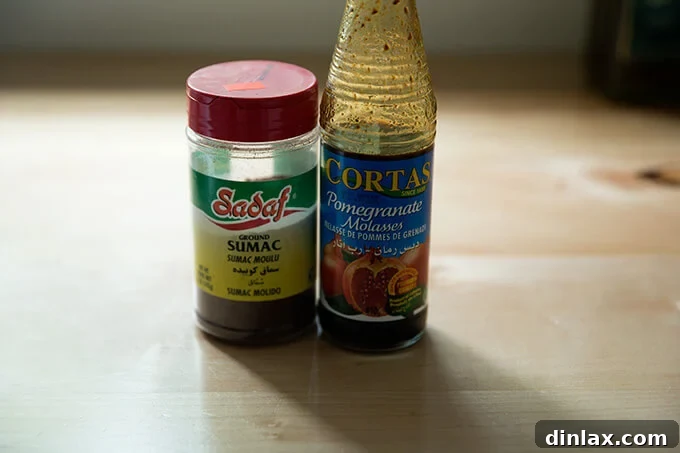
Sumac is an intriguing ingredient, often mistaken for a spice, but it is, in fact, the ground berry of a specific shrub. It imparts a distinct acidic, tangy, and subtly lemony flavor that is both bright and earthy. Its deep red hue also adds a beautiful visual appeal to dishes. When sourcing sumac, look for a vibrant color and a fresh, zesty aroma for the best quality.
Pomegranate molasses is another crucial element, offering a unique sweet-sharp contrast. It is essentially concentrated pomegranate juice, reduced to a thick, syrupy consistency. Its complex flavor profile is somewhat akin to a reduced balsamic vinegar, but with a fruitier, more pronounced tartness. Most commercial brands will include some added sugar, which balances the intense tartness of the pomegranate. I’ve become a great admirer of the Cortas brand, which Nora herself highly recommended, and I wholeheartedly trust her judgment when it comes to authentic ingredients.
My personal preference leans towards white balsamic vinegar for its mild tang and light color, making it an excellent base for this dressing. However, for a more traditional approach, or if you prefer a sharper citrus note, you could substitute some or all of the white balsamic with freshly squeezed lemon juice. Experiment to find what best suits your palate. The precise ratios for each component are detailed in the recipe card below, but the core elements include:
- Finely minced shallots and garlic for aromatic depth.
- White balsamic vinegar (I particularly enjoy the Colavita brand for its quality).
- A pinch of salt to enhance all flavors.
- Sumac, for its signature tartness.
- Pomegranate molasses, adding a complex sweet-sour note.
- High-quality olive oil to emulsify the dressing and provide richness.
Seasonal Fattoush Vegetables: A Canvas of Freshness
While the classic Fattoush often features tomatoes and cucumbers as its stars, the beauty of this salad lies in its celebration of seasonal bounty. As mentioned, when tomatoes aren’t at their peak, or simply to introduce variety, feel free to explore other fresh, crisp vegetables. The goal is to create a dynamic texture and flavor profile that complements the dressing and herbs. Any of the following vegetables, used individually or in combination, would be superb additions throughout the spring and summer months:
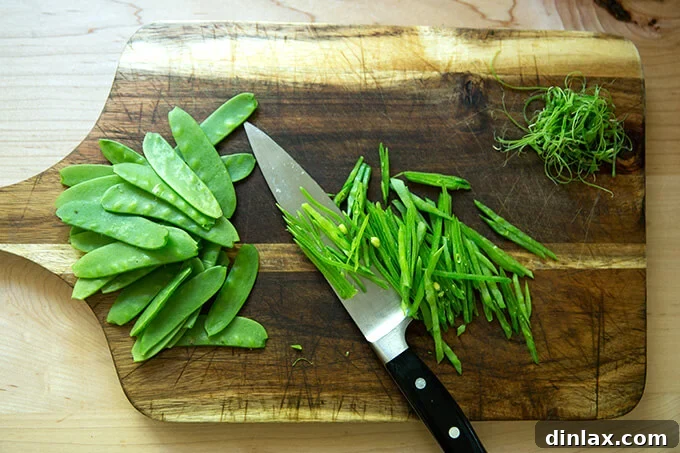
- Slivered snap or snow peas: Their sweet crunch and vibrant green color are perfect for spring. Slicing them on the bias creates an elegant presentation.
- Cucumbers: Always a refreshing and hydrating component. Opt for Persian or English cucumbers for fewer seeds and thinner skins.
- Radishes: Offering a delightful peppery bite and a pop of color, thinly sliced radishes add a welcome crispness.
- Romaine or other sturdy lettuce: Provides the essential base and a satisfying crunch. Consider gem lettuce or even thinly sliced cabbage for added texture.
- Tomatoes: When summer arrives, plump, juicy, and ripe tomatoes are non-negotiable for traditional Fattoush. Cherry or grape tomatoes halved also work wonderfully.
- Thinly shaved fennel: Adds a subtle anise flavor and delicate texture.
- Bell peppers: Any color can contribute sweetness and crunch. Red, yellow, or orange bell peppers are particularly appealing.
- Thinly sliced red onion: A little goes a long way to add a sharp, pungent kick and beautiful color.
- Raw corn: When sweet corn is in season, cutting it right off the cob offers bursts of natural sweetness.
- And what else? The possibilities are truly endless! Think of any vegetable you might enjoy in a chopped salad; chances are, it will find a happy home in a Fattoush. Don’t be afraid to experiment with your favorites.
The Aromatic Heart: Fattoush Herbs
Fresh herbs are indispensable in Fattoush, providing an aromatic burst and undeniable freshness that elevates the entire dish. For me, mint is absolutely essential, bringing its cool, invigorating essence to the salad. However, much like the vegetables, the choice of herbs can be a creative exploration. Any combination of the following fresh herbs will contribute beautifully to the salad’s complex flavor profile:
- Mint: Its bright, cooling flavor is the hallmark of Fattoush, offering a refreshing counterpoint to the tart dressing.
- Chives: Lending a delicate oniony flavor without overpowering the other ingredients.
- Parsley: A foundational herb in Middle Eastern cuisine, offering a fresh, slightly peppery, and clean taste.
- Cilantro: For those who love its distinct, vibrant flavor, cilantro can add another layer of herbaceousness.
- Dill: Its feathery fronds and unique, slightly anisy flavor can add an unexpected but delightful dimension.
- Scallions (Green Onions): While not strictly an herb, scallions offer a mild, fresh onion flavor and crisp texture, functioning very much like an herb in this context.
Feel free to use a generous hand with the herbs – they are meant to be a prominent feature, not just a garnish. A mix of several herbs often yields the most dynamic and appealing result.
Crispy Perfection: Fattoush Pita Chips
No Fattoush salad is complete without its signature crispy pita chips, which provide a delightful crunch and absorb some of the flavorful dressing. The pita element is surprisingly versatile, allowing for both simple and seasoned preparations. Here are some considerations for preparing the perfect pita chips:
- Choosing Your Pita: If you are lucky enough to find the ultra-thin ARZ pita (like the kind flown into Nora’s from Montreal), you’ll notice it’s so delicate that attempting to split it before toasting is more trouble than it’s worth. In this case, simply use the rounds whole. If you’re using thicker pita bread, it’s generally best to split the rounds crosswise into two halves. This ensures even crisping and prevents them from becoming too hard.
- Toasting Methods: The pita can certainly be toasted plain, without any oil or seasonings, but incorporating these additions takes them from merely crispy to utterly irresistible. Brushing with olive oil not only helps them crisp beautifully but also acts as a canvas for spices.
- Seasoning Variations: In this recipe, I’ve opted for a blend of cumin and crushed red pepper flakes, which infuse the pita with a warm, earthy spice and a hint of heat. However, the possibilities for seasoning are vast. Next time, I plan to follow Liliane’s lead and use za’atar, a traditional Middle Eastern spice blend that offers a savory, tangy, and herbal flavor. Other ideas include garlic powder, paprika, or even just a sprinkle of salt and pepper. Don’t hesitate to experiment with your favorite spices!
- Serving Suggestions: While essential for Fattoush, these crispy pita chips are incredibly versatile. Cut into wedges before baking, they transform into perfect scoopers for hummus, baba ghanoush, or any dip. My children adore them simply brushed with olive oil and seasoned with salt for a quick and satisfying snack.
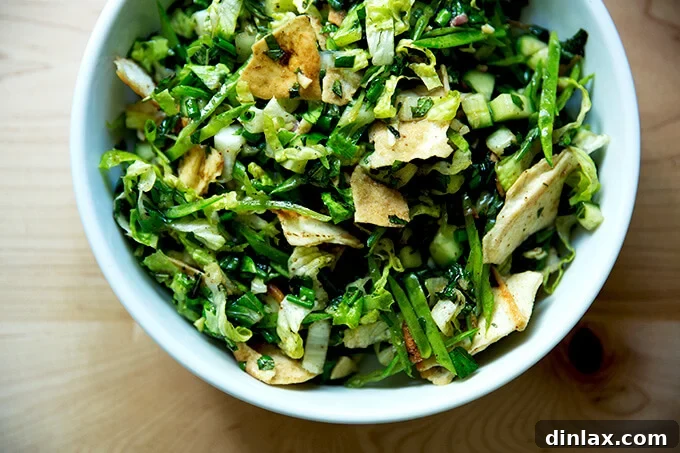
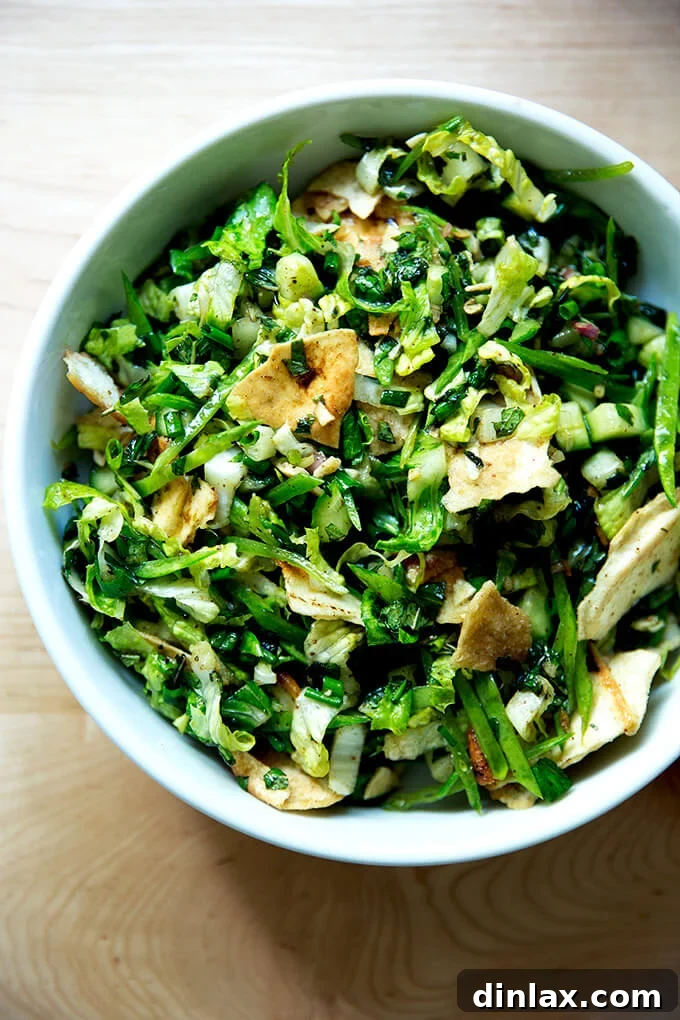
The delightful crunch of the pita, combined with the fresh vegetables and zesty dressing, creates a harmonious texture and flavor experience.
As I’ve explored and adapted this wonderful recipe, it’s clear that strict “authenticity” isn’t the primary goal here, but rather an homage to a beloved dish and a celebration of fresh, seasonal ingredients. The harmonious blend of sweet-sharp pomegranate molasses, the tart, lemony notes of sumac, and the vibrant array of fresh herbs and vegetables infuse this salad with an irresistible brightness and vivacity. It’s a testament to how simple, quality ingredients can create something truly extraordinary.
After whipping up this salad yesterday and sharing it on my Instagram Stories, and then posting the finished photo in my feed, I was particularly touched by Liliane’s comment. She wrote, “The salad looks delicious and refreshing, which is what Fattoush is all about.” Her words perfectly encapsulate the essence of this incredible Middle Eastern salad. Amen, Liliane. Amen.
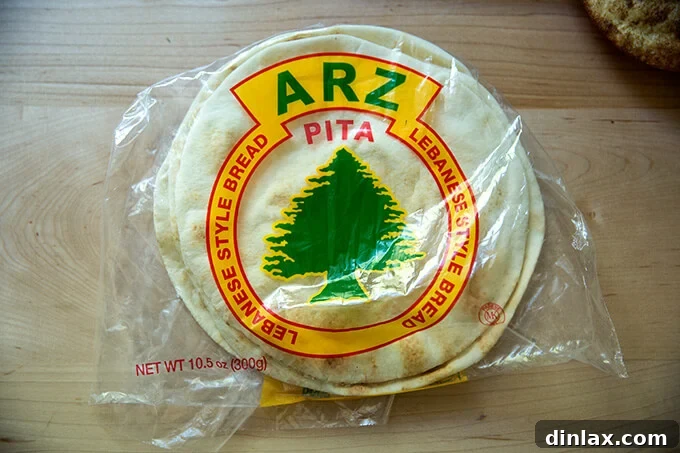
This is the highly sought-after ARZ pita bread, famously flown in fresh from Montreal every Thursday morning to Nora’s Grocery, a true culinary delight for any home chef.
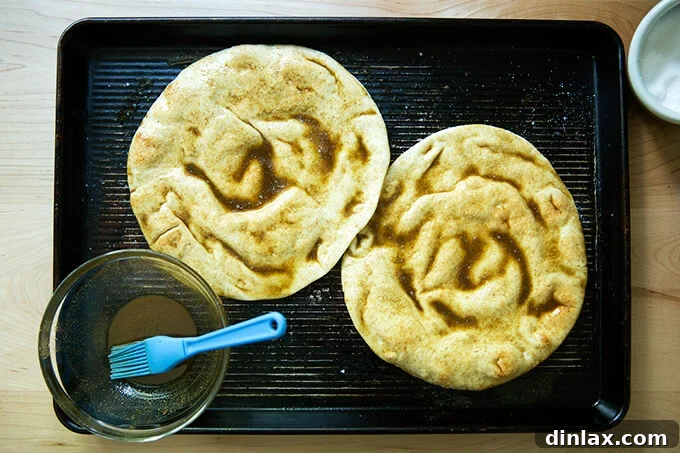
For an extra layer of flavor and crispness, lightly brush the pita rounds with olive oil and season them generously with ground cumin, a pinch of salt, and a sprinkle of crushed red pepper flakes, if you desire a hint of warmth and spice.
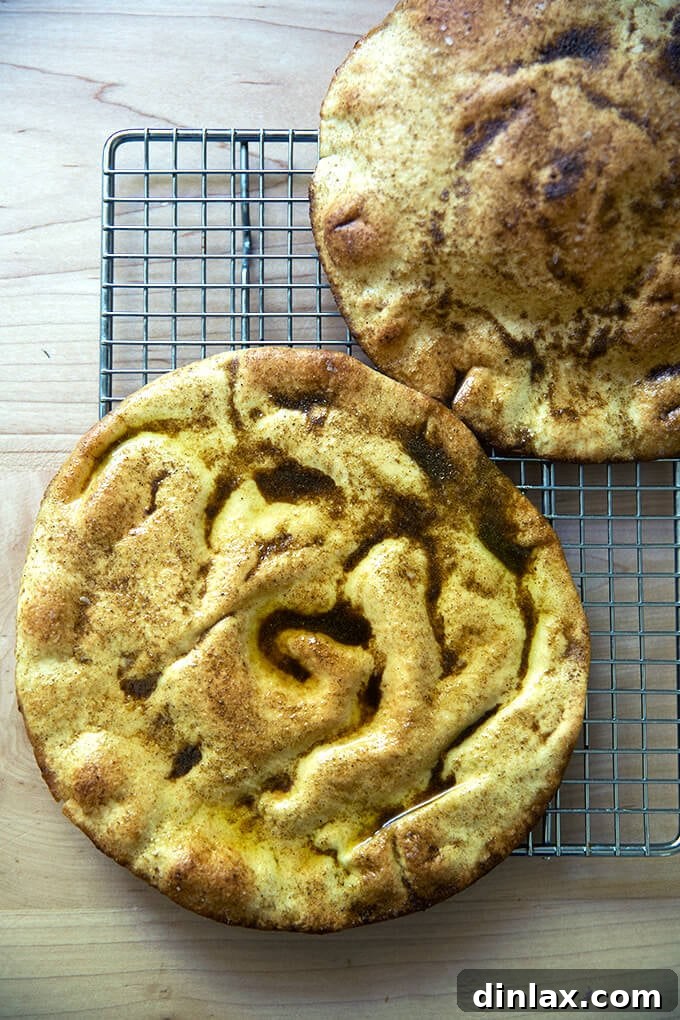
The result is irresistibly crispy pita chips – truly a game-changer! This Fattoush salad adventure has inspired me to embark on a delightful homemade pita chip spree. My children particularly love them brushed simply with olive oil and seasoned with salt. If you slice the pita into wedges before toasting, they make excellent, sturdy chips perfect for serving alongside creamy hummus or other dips.
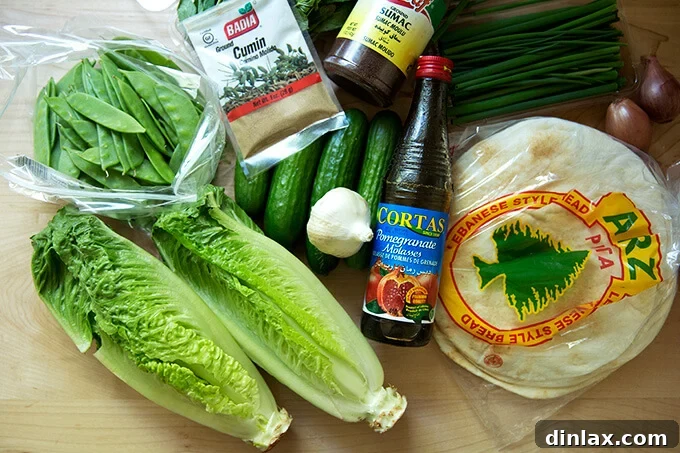
These two essential ingredients are key to unlocking the unique sharpness and distinctive tartness that define an authentic Fattoush salad: sumac, with its vibrant lemony tang, and pomegranate molasses, offering a complex sweet-sour depth.
Print Recipe
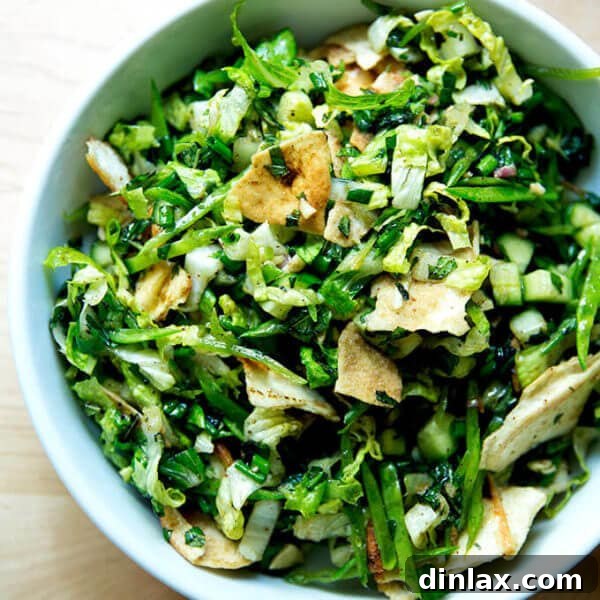
Spring Fattoush Salad
5 from 8 reviews
- Author: Alexandra Stafford
- Total Time: 33 minutes
- Yield: serves 4
Description
Notes for the Perfect Spring Fattoush:
- Embrace Seasonal Flexibility: Consider this recipe a flexible guide. While traditional Fattoush often includes tomatoes, this spring adaptation beautifully highlights snap peas, radishes, cucumbers, fresh lettuce, and an abundance of herbs. Feel free to use any fresh vegetables and herbs you have on hand or that are currently in season. The goal is freshness and flavor!
- Customizable Dressing: The vibrant dressing is a simple yet effective adaptation of my favorite shallot vinaigrette, elevated with the distinctive flavors of sumac and pomegranate molasses. It can easily be scaled up to make a larger batch for future salads or as a marinade.
- Selecting Pomegranate Molasses: Quality makes a difference! I highly recommend the Cortas pomegranate molasses, a brand personally endorsed by Nora from Nora’s Market. Since the sweetness and tartness can vary significantly between brands, it’s best to start with one tablespoon and adjust to your taste preferences.
- Finding Sumac: Sumac is becoming more widely available in specialty stores and is a staple in Middle Eastern markets. If you have difficulty locating it locally, it’s readily available online. Its unique tangy flavor is truly irreplaceable.
- Pita Preparation Tips: The very thin ARZ pita from Nora’s Market is notoriously difficult to split. For this type, simply brush it whole with olive oil and seasonings, then bake. If you’re using thicker pita, which is easier to separate, divide each round into two halves before seasoning and toasting to ensure even crisping.
Ingredients
For the Fattoush Dressing:
- 1 small shallot, finely minced
- 1 clove garlic, finely minced
- 1/2 teaspoon kosher salt
- 1 teaspoon sumac
- 1/4 cup white balsamic vinegar
- 1 to 2 tablespoons pomegranate molasses (start with 1, add more to taste)
- 1/3 cup extra-virgin olive oil
For the Crispy Pita:
- 2 rounds pita bread (see notes above for thin vs. thick)
- 1 to 2 tablespoons olive oil
- 2 teaspoons ground cumin
- A pinch of crushed red pepper flakes (optional, for a subtle kick)
- Kosher salt, to taste
For the Salad:
- 2 heads Romaine lettuce, finely chopped
- 4 small cucumbers, diced
- 1/2 lb. snap or snow peas, strings removed and sliced thinly on the bias
- 4 radishes, thinly sliced (optional, for extra crunch and spice)
- 1/2 cup finely chopped chives
- 1 cup fresh mint, finely chopped
Instructions
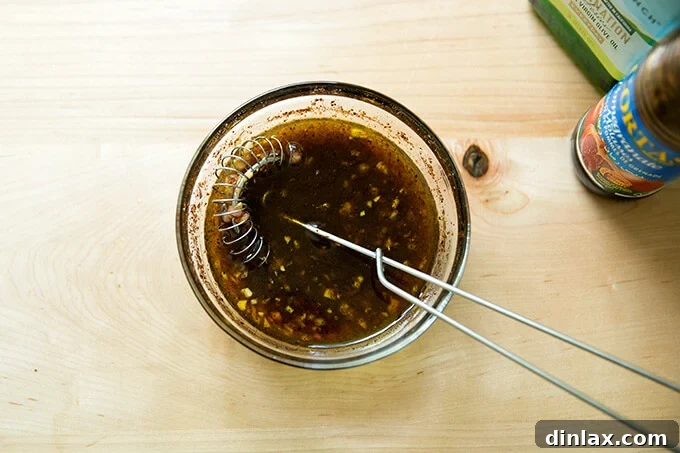
- Prepare the Dressing: In a small bowl, combine the minced shallots, garlic, kosher salt, sumac, and white balsamic vinegar. Allow this mixture to rest for at least 15 minutes; this helps the flavors meld and the shallots to mellow slightly. After resting, add 1 tablespoon of pomegranate molasses and the extra-virgin olive oil. Whisk thoroughly until well combined and emulsified. Taste the dressing and adjust. If you prefer a stronger sweet-tart flavor, add the second tablespoon of pomegranate molasses; I typically use both for maximum impact.
- Make the Crispy Pita: Preheat your oven to 400ºF (200ºC). If you are using thin pita (as described in the notes), simply lay the two whole rounds of pita on a baking sheet. If your pita is thicker, carefully separate each round into two halves and place them smooth side up on the baking sheet. In a separate small bowl, stir together 1 to 2 tablespoons of olive oil, the ground cumin, and the crushed red pepper flakes (if using). Brush this spiced oil mixture evenly over the surface of the pita. If you’re using only two large pita halves, 2 tablespoons of oil will provide a rich coating, which is delicious; for four halves, you might find you need slightly more to ensure even coverage. Season generously with kosher salt across all surfaces. Transfer the baking sheet to the preheated oven and bake for 6 to 8 minutes. Keep a very close eye on the pita as it bakes, as it can quickly go from perfectly toasted to burnt. Once golden and crisp, remove the pan from the oven and transfer the pita to a wire rack to cool completely.
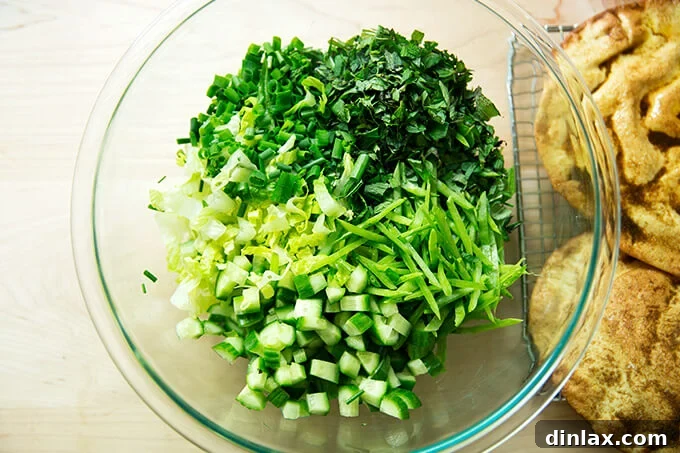
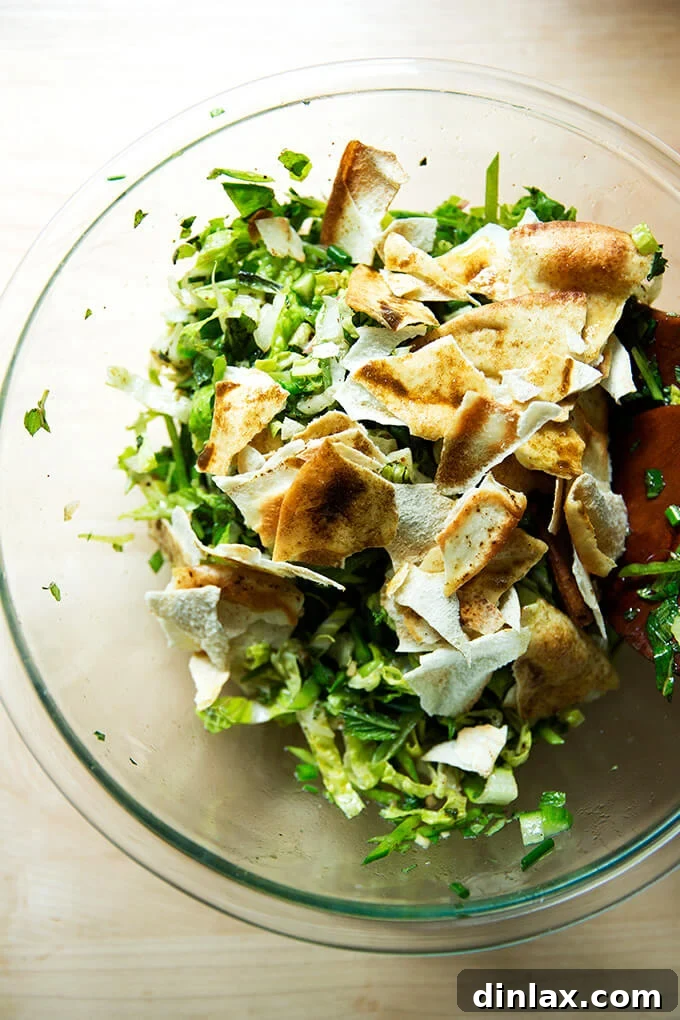
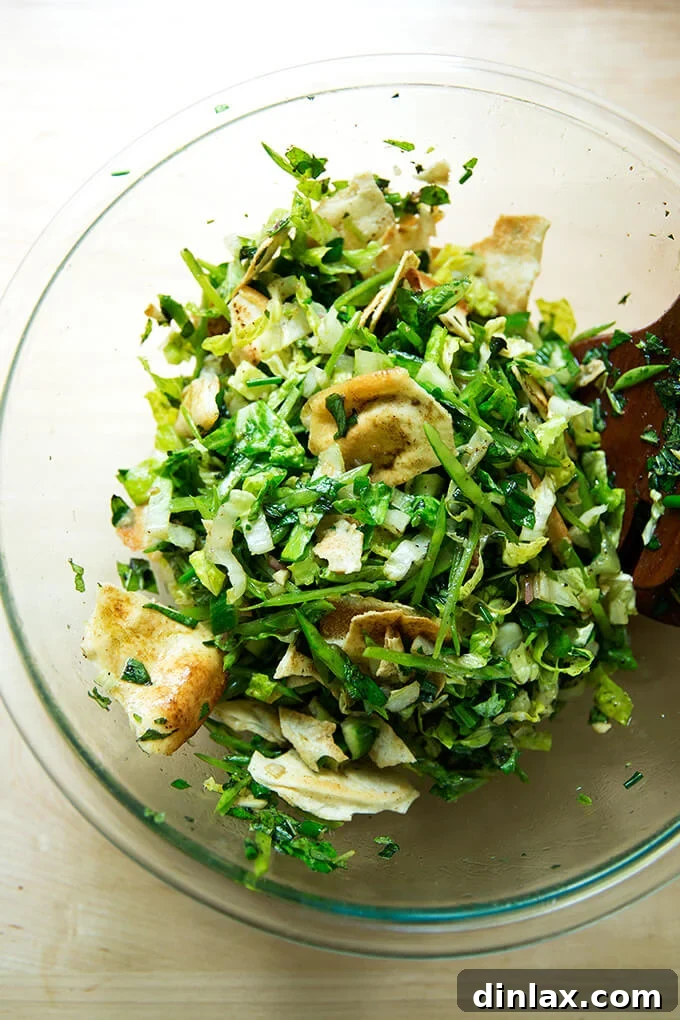
- Assemble and Serve the Salad: In a large mixing bowl, combine all of your prepared salad ingredients: the chopped Romaine, diced cucumbers, slivered snap peas, thinly sliced radishes (if using), chopped chives, and chopped mint. Pour most of the prepared Fattoush dressing over the salad mixture. Toss everything gently to ensure all the vegetables and herbs are well coated. Taste the salad. You’ll likely find it needs the remaining dressing, so add it and toss again until thoroughly combined. Finally, break the cooled, crispy pita into shards of various sizes and scatter them over the top of the salad just before serving. Toss one last time and serve immediately to enjoy the pita’s crisp texture.
- Prep Time: 25 minutes
- Cook Time: 8 minutes
- Category: Salad
- Method: Toss
- Cuisine: Middle Eastern