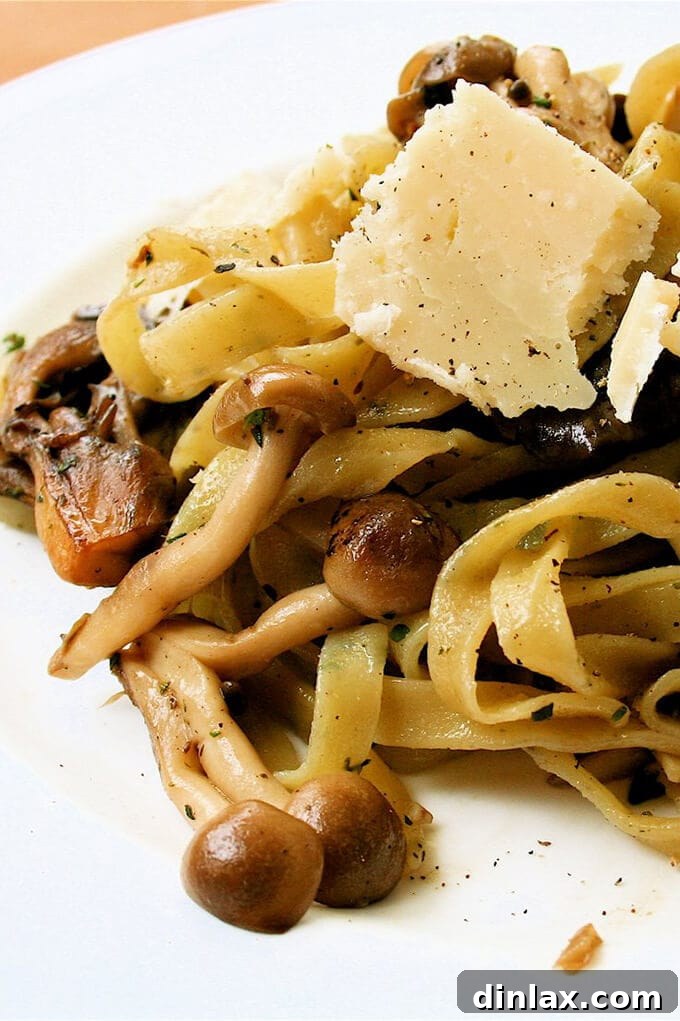
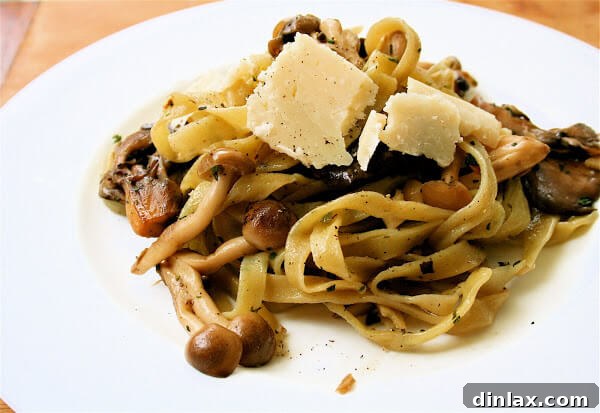
A Taste of Home: Recreating Melograno’s Pappardelle with Farmers Market Finds
Contrary to the pervasive myth, Southern California does experience rain, and cloudy skies are not an uncommon sight. Just a few weeks into my West Coast adventure, the familiar patter of raindrops and the cool, overcast weather unexpectedly transported me back to a beloved culinary memory. While strolling through the vibrant San Clemente farmers’ market yesterday, a profound craving for my all-time favorite pasta dish, pappardelle tartufate, washed over me. This exquisite dish, a masterpiece of flavor and texture, was (and still is) exclusively found in one cherished spot: Melograno, a quaint Italian BYOB tucked away 2,378 miles across the country in the heart of Philadelphia.
Melograno was more than just a restaurant; it was a cornerstone of my Philadelphia dining experiences. Its charm lay not only in its exceptional food but also in the cozy, inviting atmosphere that made every visit feel like a special occasion. Whenever friends or family visited, my first recommendation was always the same: head straight to the corner of 22nd and Spruce. And if I ever encountered a Philadelphia local who hadn’t yet discovered Melograno, I’d react with an almost theatrical gasp, then promptly guide them to that very same corner. My culinary counsel extended beyond mere location; I meticulously instructed them on what to order to truly experience the restaurant’s magic: begin with the crisp baby arugula and prosciutto salad, follow with the heavenly pappardelle tartufate, and conclude with the rich, decadent tiramisu. While Melograno’s menu boasted a delightful array of other appetizers, entrées, and desserts, the pappardelle tartufate remained the undisputed star. This iconic pasta dish, featuring perfectly homemade pappardelle, a medley of earthy wild mushrooms, toasted chopped walnuts, generous shavings of Parmigiano Reggiano, and a luxurious drizzle of truffle oil, was, and still is, an absolute must-try. It’s a symphony of flavors that perfectly captures the essence of sophisticated Italian comfort food.
A Serendipitous Discovery at the San Clemente Farmers’ Market
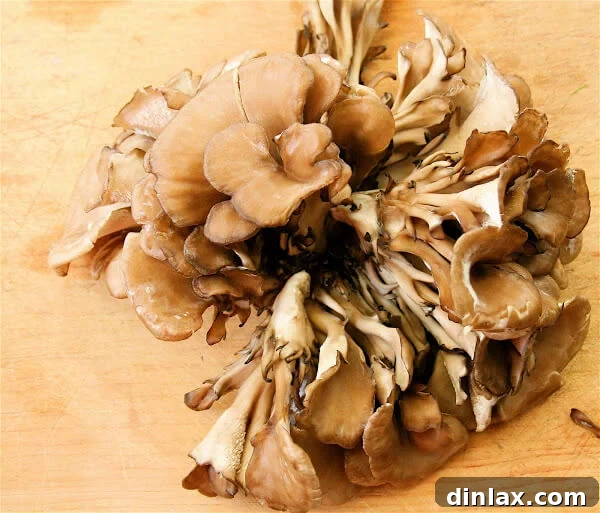
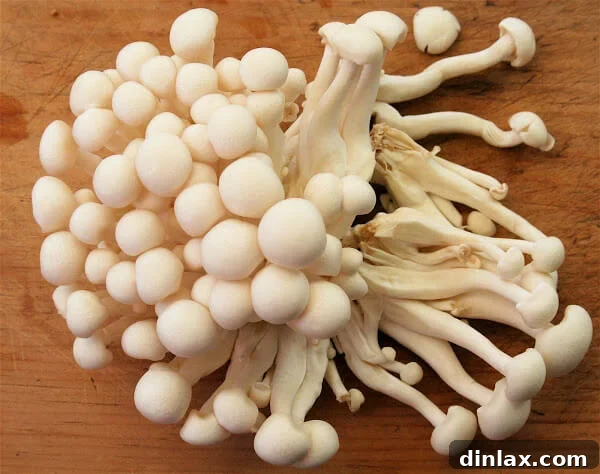
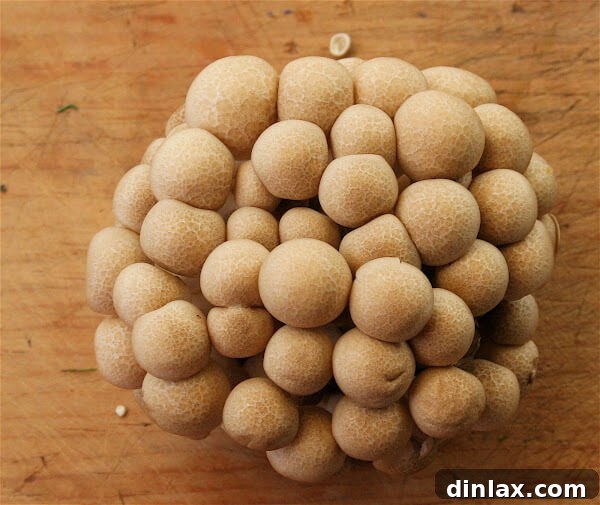
As fate would have it, my nostalgic craving at the market led to an unexpected discovery. I struck up a conversation with Don, the proprietor of Don’s Farm, based in Wildomar, CA. Don’s stall was a treasure trove of local produce, offering everything from farm-fresh eggs and homemade preserves to golden honey, rich apple butter, creamy avocados, and various seasonal squash. What truly caught my eye, however, was his impressive selection of specialty mushrooms: delicate maitake, slender brown beech, pristine white beech, and majestic royal trumpet varieties. While I couldn’t ascertain whether Don cultivated these exquisite fungi himself or sourced them, his knowledge and passion for them were undeniable.
Exploring Sustainable Mushroom Cultivation
Don enthusiastically shared a glimpse into the unique growing technique behind these prized mushrooms. He explained that each cluster grows in individual bottles, nestled within a temperature-controlled room bathed in a fine, nurturing mist. This method, he clarified, is neither hydroponic nor soil-based, and he proudly asserted that the mushrooms are entirely organic. The conversation then took an intriguing turn as Don revealed plans for a multi-million dollar facility, currently under construction, designed to significantly ramp up production of these highly sought-after fungi. This news, while indicative of progress and innovation, stirred a complex reaction within me.
As a staunch supporter of small, diversified farms that champion environmentally responsible growing practices, my initial instinct was one of skepticism. I found myself pondering the implications of such a large-scale operation. Is growing mushrooms in this controlled, industrialized manner fundamentally different from how major players like Earthbound Farms cultivate their organic greens in vast facilities? These operations, while delivering organic produce, often require immense amounts of energy to maintain precise temperature controls, preventing wilting and ensuring year-round availability. The philosophical question lingered: where do we draw the line between efficient, high-volume organic production and the localized, lower-impact methods typically associated with “small farms”? The pursuit of organic certification sometimes masks the sheer energy footprint and potential monoculture practices that can still exist within large-scale operations. It’s a delicate balance between meeting consumer demand for organic produce and truly adhering to the spirit of environmental stewardship. For now, however, I resolved to delve deeper into the nuances of large-scale mushroom cultivation, but not before indulging in the delectable fungi I had just acquired from Don.
Don also provided invaluable advice on handling these delicate edibles. He recommended keeping the mushrooms in their original plastic wrappings until they are ready for cooking. Crucially, he advised against washing them, instructing me instead to simply snip off the outermost end of the cluster before preparation. These simple tips are essential for preserving their unique texture and flavor.
Crafting a Melograno-Inspired Masterpiece
While I can’t claim this recipe is an exact replica of Melograno’s iconic pasta, it has, without a doubt, perfectly satisfied my intense craving for fresh pasta, fragrant truffle oil, and earthy wild mushrooms. The heart of this recreated dish lies not just in the mushrooms but also in the exceptional fresh pasta I discovered at the Delaney’s Culinary Fresh stand at the same farmers’ market. Though distinct from Melograno’s pappardelle, this pasta is nothing short of unbelievable. Last week, I savored a pound of their vibrant red-pepper linguini, and this week, I stocked up on both lemon basil and more red pepper varieties. The vendor assured me that their fresh pasta remains delightful for up to a week in the refrigerator or can be frozen for several months, making it a convenient staple. Requiring a mere two minutes in boiling water, this flavorful pasta consistently emerges from the pot perfectly toothsome and wonderfully chewy. It has swiftly become a cherished Sunday evening tradition in my new West Coast home.
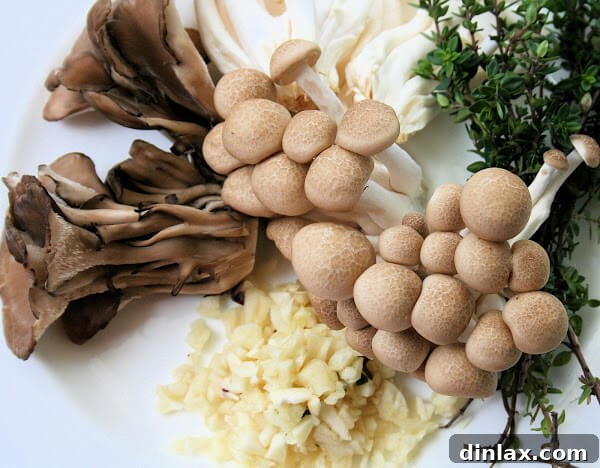
This culinary endeavor is a testament to the power of food to connect us to memories and places, even thousands of miles away. It’s about taking inspiration from cherished experiences and adapting them to new environments, utilizing the bounty of local markets. The combination of perfectly sautéed wild mushrooms, delicate pasta, and the intoxicating aroma of truffle oil evokes the spirit of Melograno, while simultaneously celebrating the fresh, vibrant ingredients available right here in Southern California. The simple act of cooking this dish has become a comforting ritual, a bridge between my past and present, offering a delightful culinary journey with every forkful.
Print Recipe
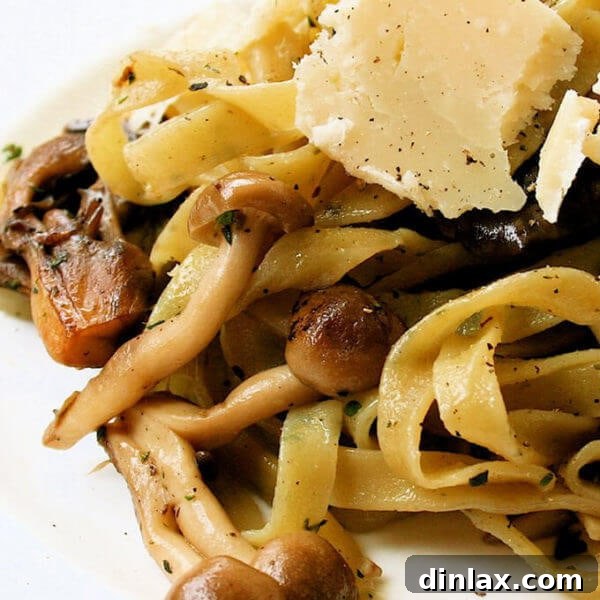
Melograno-Inspired Pappardelle with Mushrooms, Parmigiano Reggiano, and Truffle Oil
5 Stars 4 Stars 3 Stars 2 Stars 1 Star
5 from 1 review
Author: alexandra
Description
Inspired by a favorite dish served at Melograno in Philadelphia
Melograno also adds chopped walnuts, which add a nice crunch and good flavor.
Ingredients
- 2 lbs mixed mushrooms
- 2 tablespoons olive oil
- 2 teaspoons unsalted butter, plus more to taste
- 2 cloves garlic, minced
- 4 sprigs thyme, leaves removed and finely chopped
- kosher salt and freshly ground pepper to taste
- 1 lb. fresh linguini or pappardelle or dried orecchiette or bowtie pasta or whatever shape you like
- freshly grated Parmigiano Reggiano
- truffle oil, optional
- a few big, thick shavings of Parmigiano Reggiano to top each plate
Instructions
- Bring a large pot of water to a boil.
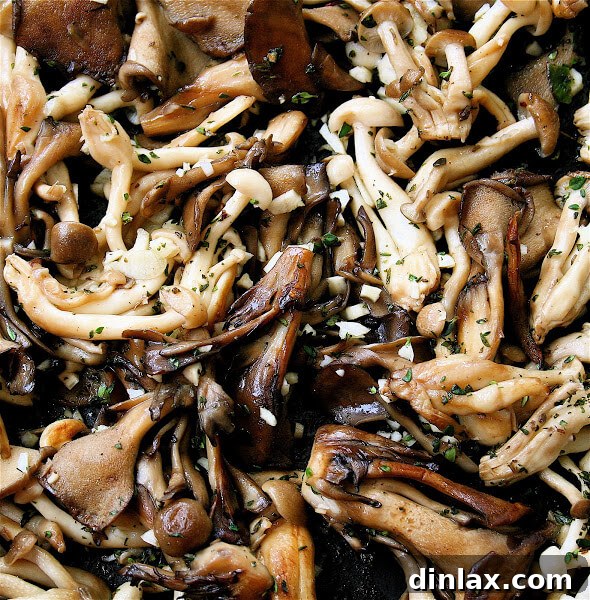
- Meanwhile, in a large nonstick skillet, heat one tablespoon of oil with one teaspoon of butter. When hot, add half of the mushrooms, shake the pan once, then let them cook undisturbed for one to two minutes — this will help them get a nice brown, seared edge. Shake the pan again, and if necessary, stir and rearrange the mushrooms with a wooden spoon. Let cook until tender and slightly caramelized. Add half of the garlic and thyme, kosher salt and pepper to taste, and let cook for one minute longer. Transfer these mushrooms to a bowl then repeat with remaining oil, butter, mushrooms, etc. When all the mushrooms have finished cooking, return the first batch to the sauté pan to keep warm.
- Cook the fresh pasta for 2 minutes. Alternatively, cook dried pasta until al dente. Drain. Place pasta in a large bowl. Add a dab of butter and a handful of grated Parmigiano Reggiano. Add the mushrooms and toss gently to combine.
- Place small mounds of the pasta on all plates. Drizzle each serving with a tiny (or not so tiny) amount of truffle oil, if desired. Top each with the thick shavings of Parmigiano.