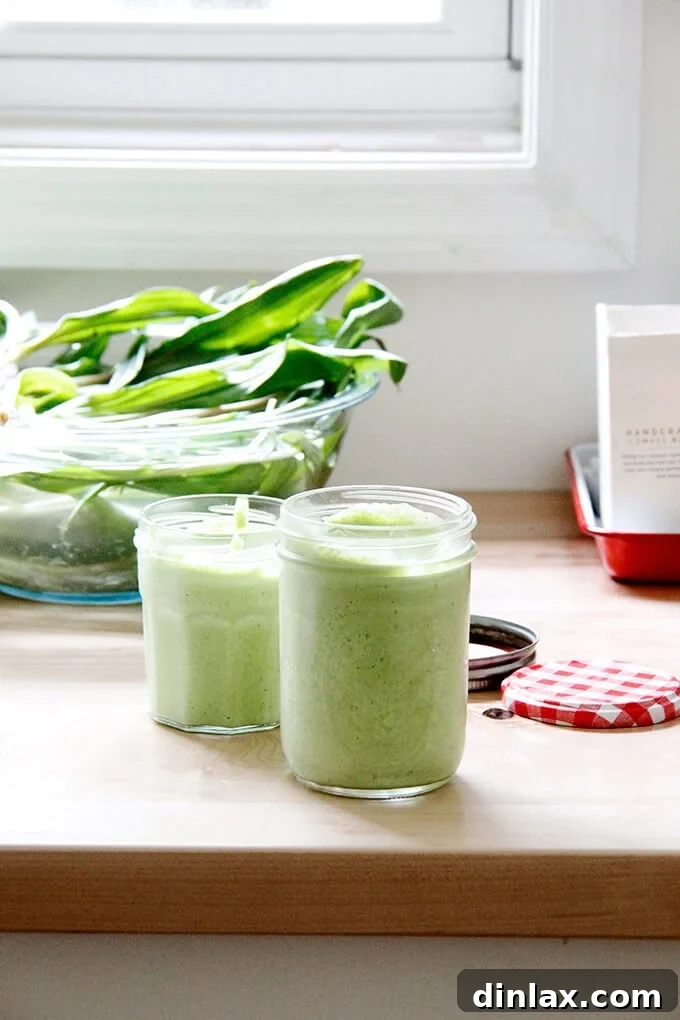
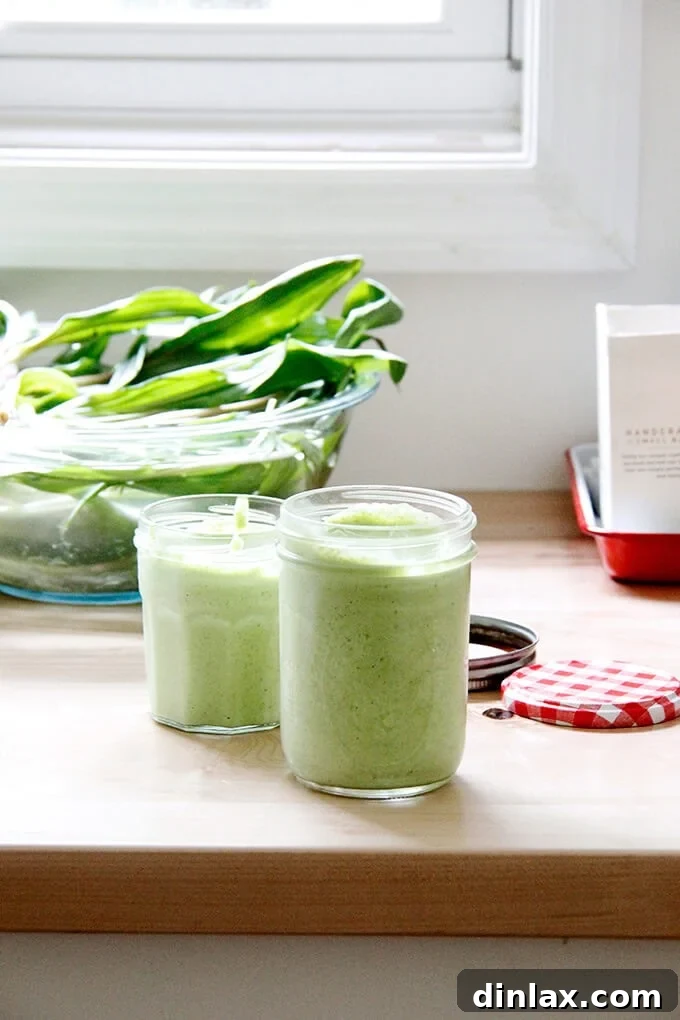
As the days grow longer and warmer, a delightful anticipation settles in: it’s officially sandwich season! Whether you’re planning picnics, barbecues, or simply looking for an elevated weeknight meal, a truly memorable sandwich starts with exceptional components. While quality buns and bread are non-negotiable, the secret weapon to transforming any sandwich from good to extraordinary lies in its condiments. Today, we’re diving deep into the art of crafting homemade aioli – a rich, creamy, and intensely flavorful spread that promises to revolutionize your culinary creations.
Unlocking the Flavor: The Magic of Homemade Aioli
A few weeks ago, I rediscovered my profound love for flavored mayonnaise, thanks to the unforgettable “44 Special” sandwich at the Copake General Store. The sandwich’s allure wasn’t just in its roasted sweet potatoes and pickled beets, but the incredibly garlicky mayonnaise generously spread across toasted bread. This creamy, rich, yet vibrant spread provided the perfect balance, imparting both a luxurious texture and an undeniable punch of flavor. The experience was a vivid reminder that some of the best culinary delights are often the simplest, especially when made from scratch.
While I can’t confirm if the Copake General Store makes their mayonnaise in-house, I returned home inspired, eager to recreate that captivating flavor. My quest led me back to aioli, which, at its heart, is essentially a very garlicky mayonnaise. The beauty of these two classic condiments lies in their similar preparation, making the journey into homemade aioli surprisingly accessible and incredibly rewarding.
What Exactly is Aioli? A Culinary Staple
Originating from the Mediterranean, “aioli” literally translates to “garlic and oil” (from Catalan “all i oli”). Traditionally, it’s a rustic emulsion made by hand-pounding garlic with olive oil until a thick, creamy sauce forms. Over time, many variations have emerged, often incorporating egg yolk as a natural emulsifier, much like mayonnaise. This addition makes the process more stable and significantly easier, especially with modern kitchen tools. While the terms “aioli” and “mayonnaise” are often used interchangeably, classic aioli distinguishes itself with its pronounced garlic flavor and sometimes, its exclusive use of olive oil. However, in contemporary cooking, “aioli” frequently refers to a garlic-infused mayonnaise, allowing for more versatility with oil choices and flavorings.
The versatility of aioli extends far beyond its traditional Mediterranean roots. It’s a condiment that can elevate countless dishes, serving as a sophisticated dip for crudités, a rich spread for burgers and sandwiches, a delectable accompaniment to seafood, or a flavorful dressing for roasted vegetables. Its creamy texture and pungent garlic kick add depth and character, transforming ordinary meals into memorable culinary experiences.
The Irresistible Advantages of Homemade Aioli
Why bother making aioli from scratch when store-bought options are readily available? The answer lies in an unparalleled freshness and depth of flavor that packaged versions simply cannot match. Homemade aioli offers:
- Superior Taste: The vibrant punch of fresh garlic and the subtle fruitiness of quality olive oil create a flavor profile that is truly in a league of its own.
- Control Over Ingredients: You dictate what goes in – no artificial preservatives, sweeteners, or unwanted additives. Choose organic eggs, your favorite type of oil, and the freshest aromatics.
- Customizable Flavor: Tailor the garlic intensity, the tanginess from lemon juice, and add any herbs or spices you desire.
- A Sense of Accomplishment: There’s immense satisfaction in creating something so delicious and fundamental from basic ingredients.
Mastering the Art of Classic Aioli: A Simple Foundation
The fundamental process for making aioli is deceptively simple, relying on the magic of emulsification – blending oil and water (or in this case, egg and acid) into a stable, creamy mixture. Here’s the basic blueprint:
- Combine Key Elements: Begin by puréeing an egg (which provides the necessary lecithin for emulsification) with a generous amount of garlic, a bright acid like lemon juice, lime juice, or vinegar, and a pinch of salt. The acid not only brightens the flavor but also helps stabilize the emulsion.
- Slowly Emulsify with Oil: The crucial step is the slow addition of oil. Whether you’re whisking vigorously by hand (a true arm workout!) or utilizing the efficiency of a food processor (highly recommended for foolproof results), the oil must be incorporated gradually. This controlled addition allows tiny oil droplets to disperse evenly throughout the egg-and-acid mixture, forming a stable emulsion.
- Taste and Adjust: Once all the oil is incorporated, taste your aioli. This is your chance to fine-tune the flavors. Does it need more salt to enhance the garlic? A little more lemon for extra zing? Don’t be shy; adjust until it perfectly suits your palate.
Embrace Seasonal Flavors: The Allure of Ramp Aioli
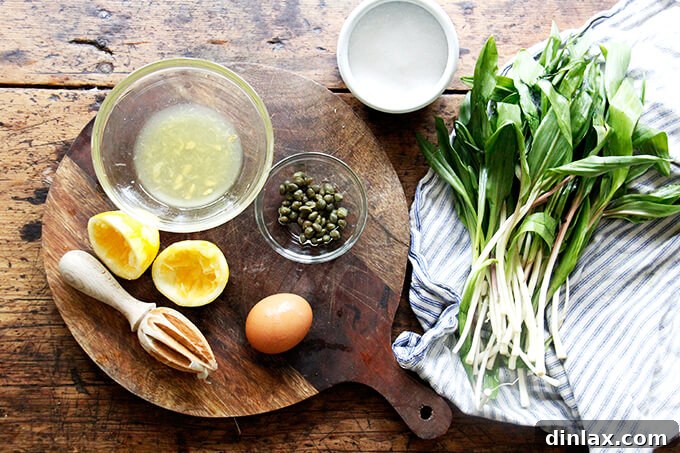
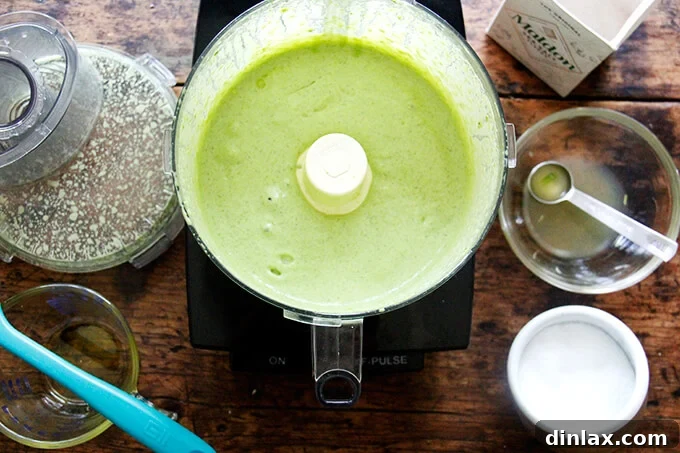
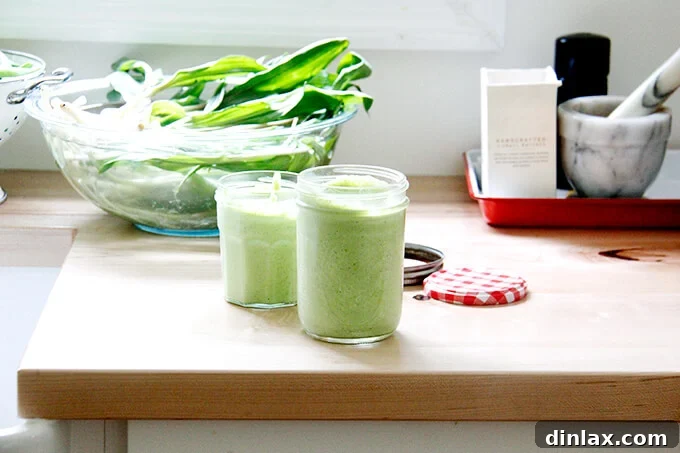
While classic garlic aioli is a timeless delight, the world of flavored aioli offers endless possibilities. With the arrival of spring and the fleeting season of ramps (wild garlic), I couldn’t resist creating a vibrant ramp aioli. Ramps bring a unique, delicate, yet pungent garlicky and oniony flavor with a hint of earthy sweetness. This variant whips into a beautiful minty-green emulsion that is both garlicky and refreshingly herbal – a truly lovely flavor that captures the essence of spring.
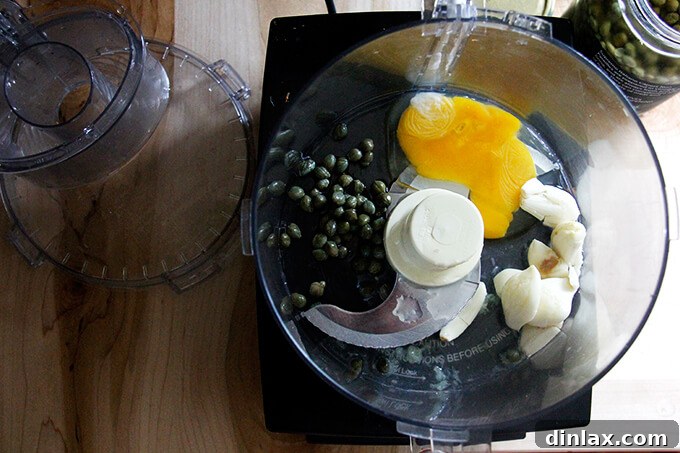
My culinary journey has also taught me the power of subtle additions. During my time working at Fork Restaurant, the chef consistently added capers to the aioli. This small detail profoundly enhances the aioli, introducing a briny, tangy counterpoint that cuts through the richness beautifully. While I now always include them, feel free to omit them if they’re not to your preference. The beauty of homemade condiments is the freedom to customize!
The Food Processor Advantage: Your Secret to Foolproof Aioli
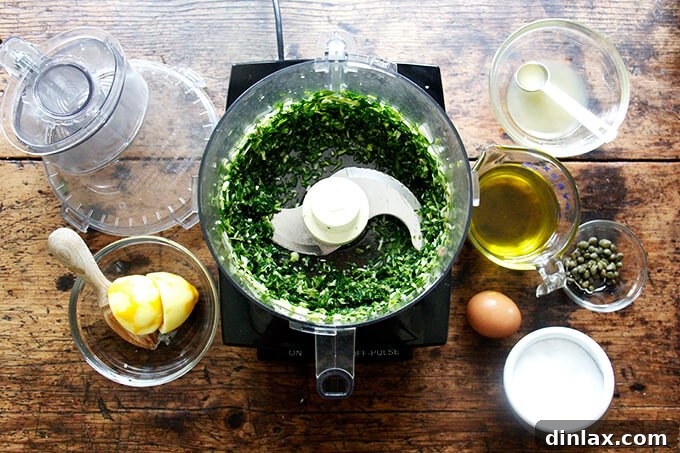
For making any emulsion, be it classic mayonnaise or a robust aioli, a food processor is an invaluable tool. It simplifies the emulsification process, making it virtually foolproof. The key to its success, a brilliant trick I picked up years ago from a Mark Bittman article, lies in how you add the oil.
Instead of just pouring the oil into the main opening, direct it down the food pusher insert. You’ll notice a tiny pinhole at the bottom of this pusher – a detail often overlooked! Pouring the oil through this pinhole ensures it enters the food processor bowl in an incredibly slow, steady stream. This controlled, gradual introduction of oil is the single most critical step in creating a stable emulsion. Adding the oil too quickly is the primary reason aioli or mayonnaise “breaks,” resulting in a separated, oily mess. By utilizing this tiny hole, you eliminate the risk of over-lubricating the mixture too soon, allowing the ingredients to properly bind and thicken into that desirable creamy consistency.
PS: For more ramp inspiration, explore these recipes: Ramp Pesto | Pickled Ramp Bulbs.
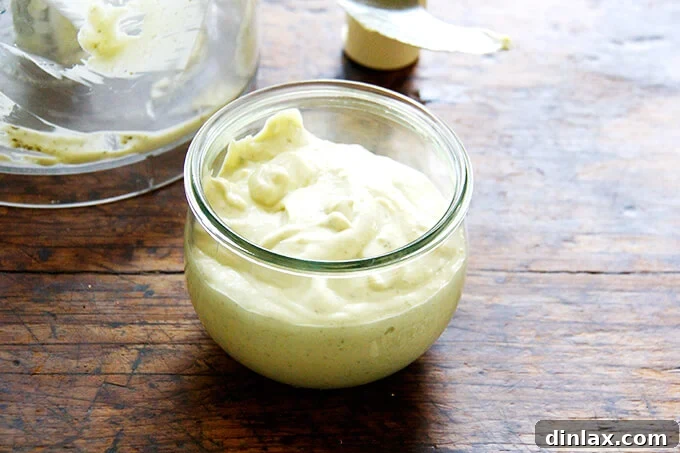
Ingredients Deep Dive: Crafting Your Perfect Aioli
To create a truly outstanding aioli, understanding the role of each ingredient is key:
- Ramps or Garlic: The heart of your aioli. Fresh ramps offer a seasonal, milder onion-garlic flavor, while robust garlic cloves provide that classic pungent kick. Adjust quantity to your taste.
- Kosher Salt & Flaky Sea Salt: Essential for seasoning throughout the process. Kosher salt for initial flavoring, and a sprinkle of flaky sea salt (like Maldon) at the end adds a delightful textural crunch and brightens the overall taste.
- Capers (Optional but Recommended): These small briny flower buds add a wonderful tang and complexity, complementing the richness of the aioli.
- Egg: Acts as the primary emulsifier, binding the oil and acid into a smooth, stable sauce. If concerns about raw egg persist, a quick 4-minute boil followed by an ice bath and peeling can be used, as mentioned in the recipe description, although a fresh egg yields the most authentic texture.
- Fresh Lemon Juice: Provides crucial acidity, balancing the richness of the oil and brightening the flavors. It also plays a role in stabilizing the emulsion.
- Olive Oil: Contributes a distinct fruity, sometimes peppery flavor characteristic of traditional aioli. A good quality extra virgin olive oil can make a significant difference.
- Neutral Oil (Grapeseed, Canola, Vegetable): Used in combination with olive oil to lighten the overall flavor and prevent the aioli from becoming too intensely olive-y, which can sometimes be overpowering for certain palates. The neutral oil also ensures a smooth, consistent texture.
Serving Suggestions: Beyond the Sandwich
While perfect for enhancing your favorite sandwiches—from classic burgers and BLTs to gourmet roasted eggplant creations—homemade aioli’s utility is vast. Consider it:
- A sophisticated dip for crisp crudités, crispy French fries, or sweet potato wedges.
- A flavorful spread for wraps, paninis, or even as a base for flatbreads.
- An excellent accompaniment to grilled fish, shrimp, or roasted chicken.
- A delightful dressing for warm potato salads or slaws.
- A dollop over roasted vegetables like asparagus, broccoli, or Brussels sprouts.
Tips for Aioli Success
- Temperature Matters: Ensure your egg is at room temperature. This helps it emulsify more easily with the oil.
- Be Patient with Oil: The slow, steady stream of oil is truly non-negotiable, especially at the beginning. Patience here will prevent a broken aioli.
- Taste, Taste, Taste: Seasoning is personal. Adjust salt and lemon juice until the aioli sings to your taste buds.
- Troubleshooting a Broken Aioli: If your aioli separates, don’t despair! Whisk an egg yolk in a clean bowl, then slowly drizzle the broken aioli into it while whisking vigorously, just as you would when starting fresh.
Print
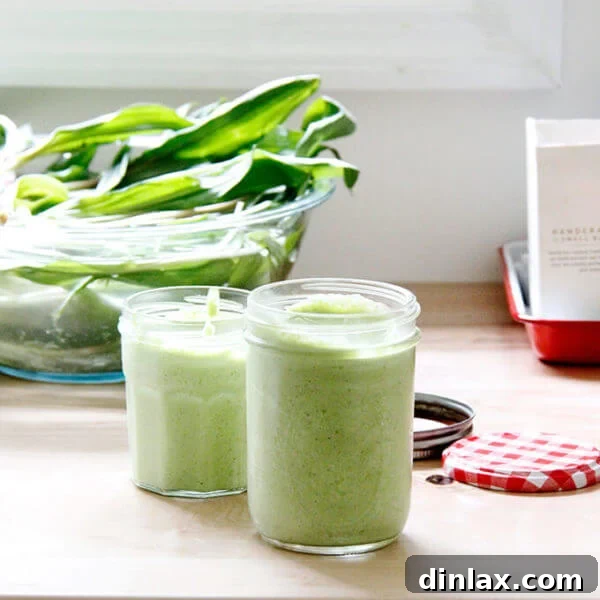
Homemade Classic Garlic (or Ramp) Aioli: A Versatile Condiment
5 Stars 4 Stars 3 Stars 2 Stars 1 Star
No reviews
Author: Alexandra Stafford
Total Time: 20 minutes
Yield: 1.25 cups 1x
Description
Homemade aioli, whether classic garlic or seasonal ramp, is a wonderfully versatile condiment that elevates countless dishes. Its rich, creamy texture and intense flavor make it perfect for all sorts of sandwiches – from gourmet burgers and classic BLTs to roasted vegetable wraps. It also shines as a dip for fries, a spread for seafood, or a flavorful addition to roasted vegetables. This recipe details a foolproof method, especially utilizing the convenience of a food processor, to achieve perfectly emulsified aioli every time. Learn the secrets to a stable, delicious aioli and discover how easy it is to customize with your favorite seasonal ingredients or classic garlic.
If you’re concerned about using a raw egg, a simple trick is to boil it for exactly 4 minutes. Immediately plunge it into an ice bath to stop the cooking, then peel and proceed with the recipe. This method ensures the egg is pasteurized while maintaining its emulsifying properties, providing peace of mind without compromising the texture of your homemade aioli.
Ingredients
- small bunch ramps, cleaned and roughly chopped, or 6 peeled garlic cloves (for classic aioli)
- Kosher salt, to taste
- 1 tablespoon capers, drained and roughly chopped (optional, but recommended for added tang)
- 1 large egg (at room temperature for best emulsification)
- 1 to 2 tablespoons fresh lemon juice, or more to taste
- 1/2 cup good quality extra virgin olive oil
- 3/4 cup neutral oil such as grapeseed, canola, or vegetable oil (plus more as needed for desired consistency)
- flaky sea salt, such as Maldon, for finishing and adjusting flavor
Instructions
- Prepare Aromatics: In the bowl of a food processor, add the cleaned and roughly chopped ramps or the peeled garlic cloves. Add a generous pinch of Kosher salt. Pulse until the ramps or garlic are very finely minced, scraping down the sides of the processor bowl as necessary to ensure even processing.
- Combine Base Ingredients: Add the optional capers, the room-temperature egg, and 1 tablespoon of fresh lemon juice to the food processor. Process the mixture until it is well combined and appears slightly frothy. This step thoroughly blends the emulsifying agents and initial flavorings.
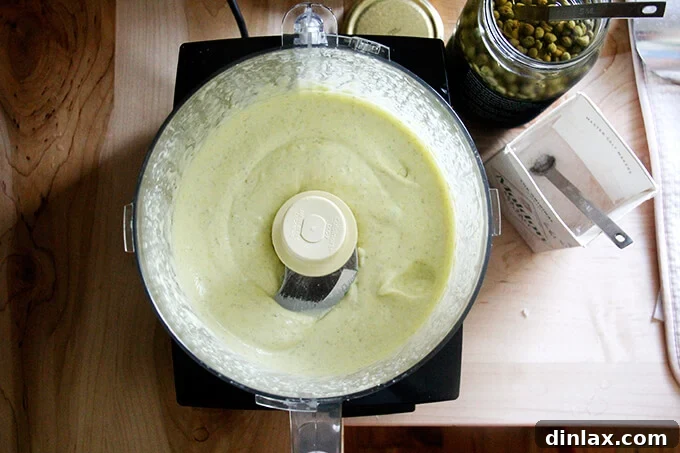
- Emulsify with Oil (The Critical Step): With the food processor motor running continuously, begin to slowly pour the combined olive oil and neutral oil mixture. The secret to a foolproof emulsion is to pour the oil through the tiny pinhole located in the food pusher insert. This ensures the oil enters the bowl in an incredibly slow, steady stream. Start by adding the oil very slowly; once you observe the mixture beginning to thicken and emulsify, you can gradually increase the speed of the oil stream slightly. If using ramps, due to their moisture content, you might need to add up to an additional cup of neutral oil to achieve a thicker consistency than if using just garlic. However, if a slightly thinner texture doesn’t bother you, the initial 1.25 cups of oil should suffice for an emulsified, flavorful aioli.
- Season and Adjust: After all the oil has been incorporated and the aioli is thick and creamy, stop the motor. Taste the aioli for seasoning. Add more salt (flaky sea salt is excellent here for both flavor and texture) a quarter teaspoon at a time, processing briefly after each addition. If the aioli needs more brightness or tang, add additional lemon juice, a teaspoon at a time, until the flavor is perfectly balanced. Continue processing and adjusting until the aioli tastes just right to you.
- Store: Transfer the finished aioli to an airtight container and store it in the refrigerator. Homemade aioli is best enjoyed fresh and typically lasts for up to 5-7 days when stored properly.
- Prep Time: 20 minutes
- Category: Condiment, Sauce, Spread
- Method: Food Processor, Emulsifying
- Cuisine: Mediterranean, American