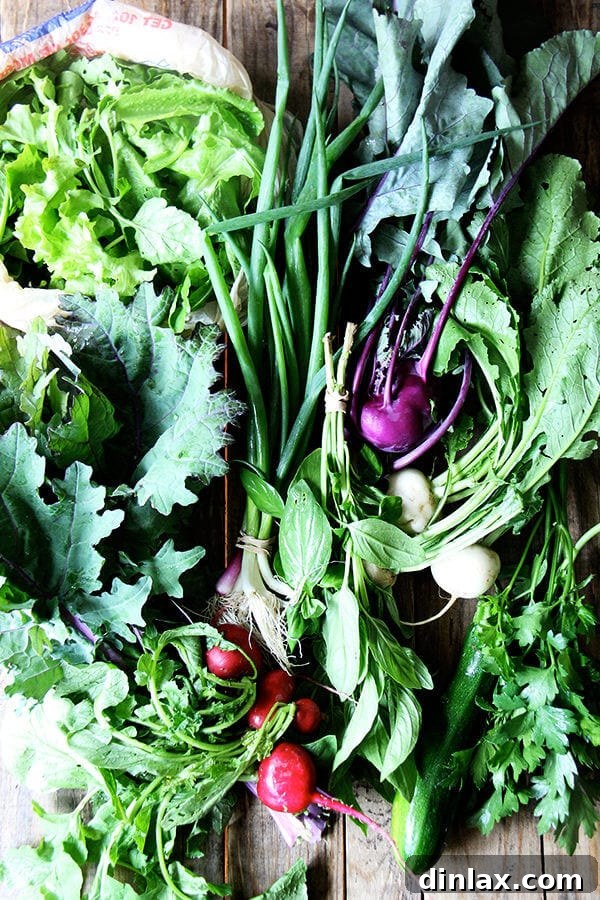
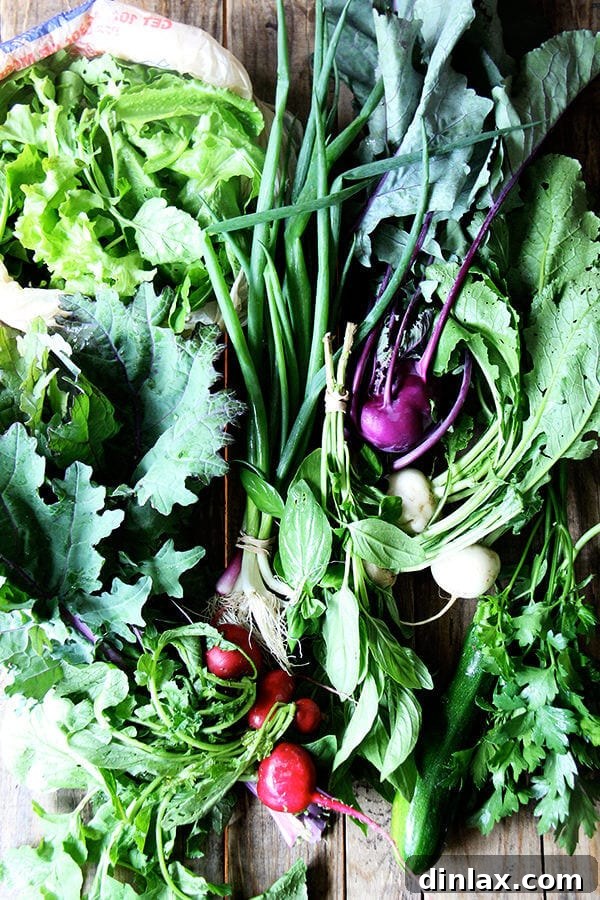
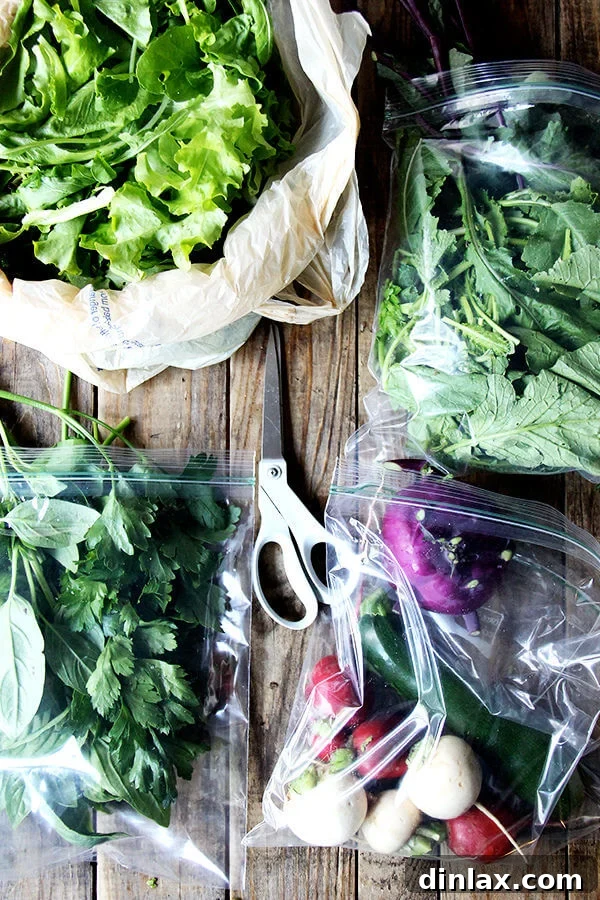
The arrival of the first Community Supported Agriculture (CSA) share of the season is always a moment of excitement and anticipation. This week, we were thrilled to receive our initial bounty from Roxbury Farm on Tuesday. Above, you’ll see the vibrant contents of a half-share, brimming with fresh, seasonal produce. Below, these same beautiful vegetables are pictured after being meticulously organized and prepared for storage, ready to nourish us throughout the week.
Embarking on a CSA journey means embracing fresh, local ingredients, but it also comes with the delightful challenge of managing and utilizing a diverse array of produce. Proper storage is the cornerstone of making the most of your farm share, ensuring your vegetables stay crisp, flavorful, and nutrient-rich for as long as possible. This approach not only maximizes your investment in local agriculture but also minimizes food waste, a key benefit of the CSA model. Beyond storage, unlocking the culinary potential of each vegetable transforms your weekly haul into an exciting adventure. From familiar favorites to unique varieties, a CSA share encourages creativity in the kitchen and deepens our connection to the food we eat.
Embracing the Bounty: Unpacking, Storing, and Cooking Your First CSA Farm Share with Roxbury Farm
Welcome to the wonderful world of Community Supported Agriculture! Receiving your first CSA box is a truly special experience, a direct connection to the local farm and the rhythm of the seasons. This week, our initial delivery from Roxbury Farm brought a vibrant assortment of fresh produce, pictured at the top in its raw glory, and then below, neatly prepped for storage. This comprehensive guide will walk you through essential storage tips to keep your farm-fresh goodies at their peak, followed by a plethora of delicious and inspiring recipe ideas to transform your harvest into unforgettable meals. Get ready to turn your fresh farm share into a week of delightful culinary experiences!
Maximizing Freshness: Essential Tips for Storing Your CSA Produce
One of the biggest advantages of a CSA is the unparalleled freshness of the produce. However, to truly savor that farm-to-table quality, knowing how to store your vegetables correctly is paramount. Proper storage not only extends the life of your produce, reducing food waste, but also preserves its nutritional value and robust flavors. Investing a little time upfront in preparation can make a significant difference in your culinary experience throughout the week, ensuring every bite is as fresh as possible.
The Golden Rule: Separating Greens from Roots
This is arguably the most crucial tip for extending the life of many root vegetables. When you receive items like radishes, turnips, kohlrabi, carrots, or beets, you’ll often find them with their leafy greens still attached. While beautiful, these greens are actively drawing moisture and nutrients away from the roots, causing the roots to soften and wilt prematurely. To combat this natural process, always snip the greens cleanly from the roots as soon as you get them home. This simple act redirects the plant’s energy, preserving the crispness and longevity of the root itself.
- For the Roots: Once separated, gently clean off any excess dirt without washing the roots entirely unless specified. Store the roots in a perforated plastic bag or a breathable container in your refrigerator’s crisper drawer. This allows for some airflow while maintaining appropriate humidity, keeping them firm and crisp for several weeks.
- For the Greens: Don’t discard these edible greens! Radish, turnip, and beet greens are not only delicious but also packed with nutrients. Wash them thoroughly, spin them dry, and store them in a separate plastic bag in the fridge. They can be sautéed with garlic, added to soups for a nutritional boost, or even blended into vibrant pestos, offering an extra bonus ingredient from your share. I personally find it convenient to gather all root greens together in one bag, making them readily available for a quick sauté or a flavorful addition to a stir-fry later in the week.
Loosen Up: The Importance of Removing Rubber Bands
Many delicate items, such as bundles of fresh herbs, asparagus spears, or even bunches of radishes, often come bound together with rubber bands. While practical for bundling during transport, these bands can restrict circulation, cause bruising, or create pressure damage on the delicate stems and leaves, accelerating spoilage. Always make it a habit to snip off rubber bands from anything they are binding as soon as you unpack your farm share. This small but significant step allows for better airflow around the produce and prevents unnecessary damage, helping your vegetables breathe and maintain their integrity and freshness for longer. It’s a simple act that significantly contributes to preserving the quality of your delicate produce.
Herb Heaven: Specialized Storage for Fragile Aromatics
Herbs are the fragrant jewels of any CSA share, imparting incredible depth and freshness to your dishes. However, they can be notoriously finicky to store, with different varieties requiring specific care to maintain their vibrancy and extend their shelf life. Last summer, I discovered a game-changing method for basil that deviates from traditional refrigeration, and it has consistently yielded fantastic results:
- Basil: The Water Glass Trick: Unlike many other herbs, basil is highly sensitive to cold temperatures and can blacken quickly if stored in the refrigerator. Instead, treat it like a bouquet of flowers. Trim the cut ends of the stems, place the basil in a glass or a small bowl with about an inch of fresh water, and then loosely cover the greens with a plastic bag (a repurposed produce bag works perfectly). Keep this setup on your kitchen counter, away from direct sunlight and heat. This method dramatically prolongs basil’s life, keeping it fresh, green, and fragrant for significantly longer than when it’s stashed in the cold fridge. This week, I’ve successfully stored both basil and parsley using this counter-top method, and they still look incredibly vibrant and aromatic days later. As the weather warms up, embracing the water trick becomes an even more essential practice.
- Other Soft Herbs (Parsley, Cilantro): These delicate herbs can often benefit from a similar water-based storage method, though they typically do well in the fridge. Place them stems-down in a jar with a bit of water, then loosely cover the top with a plastic bag before refrigerating. This provides a humid environment while keeping them cool.
- Hardy Herbs (Rosemary, Thyme, Oregano): These more robust herbs tolerate cold much better. Wrap them loosely in a slightly damp paper towel, then place them in a sealed plastic bag or an airtight container in the refrigerator’s crisper drawer. This keeps them from drying out while protecting them from excess moisture.
Beyond the Basics: General Tips for Prolonging Produce Life
Beyond these specific techniques, a few general practices can further enhance the longevity of your CSA bounty. Always ensure your refrigerator’s crisper drawers are functioning optimally; they are specifically designed to maintain distinct humidity levels beneficial for different types of produce. Avoid overcrowding your refrigerator, as this can impede air circulation and lead to faster spoilage of even well-stored items. Furthermore, a general rule of thumb is to only wash vegetables right before you intend to use them, as excess moisture can promote bacterial growth and accelerate spoilage. A dry environment is generally preferable for most stored produce, with the specific exceptions for certain herbs as mentioned above. Implementing these simple yet effective strategies will empower you to enjoy your farm-fresh ingredients to their fullest.
From Farm to Feast: Creative Recipes for Your Week One CSA Share
With your fresh produce properly stored and ready, the real fun begins: cooking! A CSA share encourages culinary exploration, prompting you to experiment with new ingredients and revisit old favorites with a fresh, seasonal perspective. It’s an opportunity to expand your cooking repertoire and enjoy the true flavors of the season. Here are some inspiring ideas, focusing on common Week 1 CSA items like those we received from Roxbury Farm, to help you transform your harvest into delicious and memorable meals.
Vibrant Mixed Greens: Simple Dressings and Flavorful Additions
Mixed greens are the cornerstone of many healthy meals, and the variety and quality from a CSA are often far superior to anything you’d find in a supermarket. The arugula, in particular, from Roxbury Farm is typically peppery, vibrant, and incredibly flavorful, requiring very little embellishment to truly shine. If you’re looking for a super simple, yet incredibly flavorful dressing that won’t overpower the delicate nuances of your fresh greens, here’s my go-to:
Effortless Shallot Vinaigrette:
Finely mince one small shallot (a small red or white onion can also work in a pinch for a slightly stronger flavor). Place the minced shallot in a small bowl, cover it with about 2-3 tablespoons of good quality white balsamic vinegar, and add a generous pinch of fine sea salt. Let this mixture sit for at least 15 minutes. This crucial steeping step allows the shallot to mellow slightly, losing some of its raw bite, and beautifully infuses the vinegar with its sweet, pungent flavor. After 15 minutes, gradually whisk in 3-4 tablespoons of your best extra virgin olive oil to taste, creating a perfectly balanced vinaigrette. The beauty of this dressing lies in its simplicity, allowing the natural, robust flavors of your farm-fresh greens to take center stage. For an extra pop of flavor and texture, don’t hesitate to thinly slice any fresh scallions and radishes from your farm share and toss them directly into the salad. You can also elevate your salad further with additions like toasted nuts, crumbled goat cheese or feta, or a handful of fresh berries for a touch of sweetness. The quality of CSA greens means even a minimalist approach yields an extraordinary salad experience.
Discovering Kohlrabi: Beyond the Pickle Jar
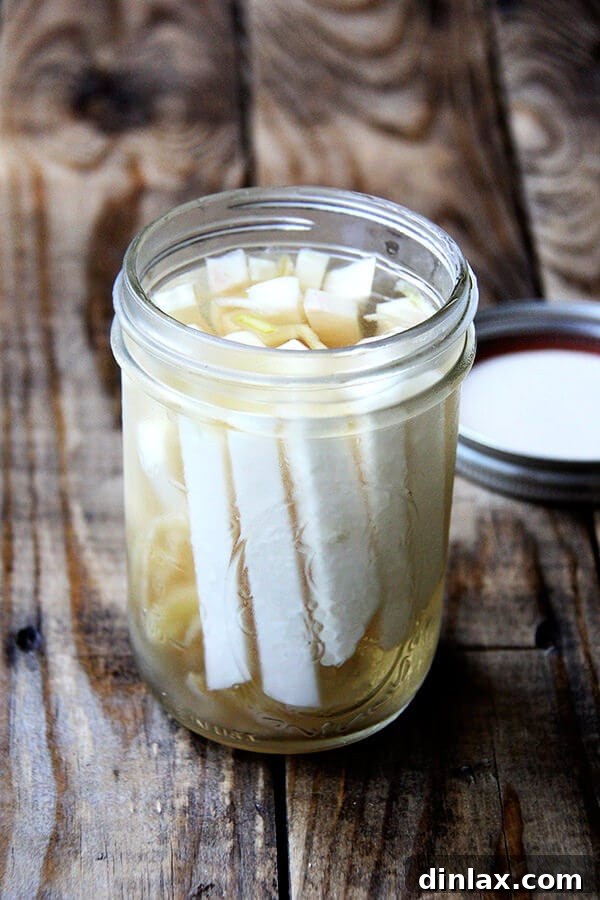
Kohlrabi, with its distinct, somewhat alien-like appearance and crisp, sweet flavor, can be a delightful surprise in a CSA box. While often overlooked by those unfamiliar with it, its versatility makes it a kitchen MVP. Its mild, slightly peppery, and subtly sweet taste resembles a nuanced cross between a radish and an apple, making it excellent both raw and cooked. Pickling kohlrabi is undoubtedly one of the easiest and most delicious ways to enjoy it, transforming its crunchy texture into a tangy, addictive bite that complements almost any meal. (See the full recipe below for my quick-pickle method.)
Beyond the classic pickle, consider these creative ideas for utilizing your kohlrabi:
- Raw in Salads or Slaws: Thinly slice or julienne kohlrabi and add it to any green salad for an invigorating crunch. It also makes a fantastic, refreshing base for a vibrant slaw when combined with shredded carrots, cabbage, and a light, creamy dressing.
- Kohlrabi Fries or Sticks: Cut the peeled kohlrabi bulb into uniform sticks and serve them raw with your favorite dip for a healthy snack. Alternatively, roast them with a little olive oil, salt, and pepper for a surprisingly delicious and healthier alternative to traditional potato fries.
- Roasted Kohlrabi: Cubed and roasted, kohlrabi takes on a slightly sweeter, nuttier flavor. Toss it with fresh herbs like thyme or rosemary and a drizzle of balsamic glaze for an aromatic and comforting side dish that pairs well with roasted meats or poultry.
- Kohlrabi Mash: Steam or boil until tender, then mash with butter, milk or cream, and seasonings for a flavorful, low-carb alternative to mashed potatoes.
Radish Revelation: The Magic of Anchovy Butter and More
Radishes, often characterized by their vibrant color and invigorating peppery bite, are a true harbinger of spring and summer in any farm share. While they are delightful simply sliced and sprinkled with salt, an “anchovy butter” takes them to an entirely new level, elevating the humble radish into a gourmet treat. I first encountered this brilliant recipe in The New Greenmarket Cookbook, and it quickly became a weekly staple for its surprising sophistication and ease of preparation.
Anchovy Butter Recipe:
- 1 stick (½ cup or 113g) unsalted butter, softened to room temperature
- 6 finely minced anchovy fillets (don’t be shy – their umami-rich saltiness transforms the butter without making it overtly “fishy”)
- 1 minced scallion (use both the white and light green parts for optimal flavor)
- 1 tablespoon minced fresh dill (or a combination of basil and parsley from your farm share, as I often use for a delightful herb blend)
- 1 minced garlic clove
- A generous pinch of freshly ground black pepper and a minimal pinch of salt (the anchovies provide significant salinity)
- 1 tablespoon fresh lime juice (lemon juice works wonderfully as an alternative, offering a bright acidic lift)
Instructions: Combine all ingredients in a small bowl. Using a fork or a spatula, mix thoroughly until all components are well combined and the butter is smooth and uniform. Taste and adjust seasonings as necessary; you might desire more herbs, a touch more citrus, or a hint of extra pepper. Spread this incredibly flavorful butter generously on slices of warm, crusty bread (baguette slices are perfect for elegant tartines). Arrange thinly sliced radishes on top, and finish with a final sprinkling of good quality flaky sea salt for an added textural contrast and a burst of briny flavor. This anchovy butter also pairs beautifully with roasted asparagus, grilled fish, or even steamed new potatoes, showcasing its versatile charm.
For even more innovative ways to use up your radish bounty, explore a variety of radish recipes here, from refreshing salads to elegant side dishes that highlight their unique flavor and texture.
Harnessing the Power of Herbs: Pesto, Harissa, and Beyond
Fresh herbs are fantastic for brightening almost any dish, from simple eggs to elaborate roasts, and a CSA share often provides generous bunches that can quickly accumulate. If you find yourself with an abundance of basil, parsley, cilantro, dill, or mint, don’t let them go to waste. Preserving herbs is easy and incredibly rewarding, ensuring you have fresh flavors available year-round. A vibrant green harissa, for instance, is an excellent way to utilize a mix of soft herbs – basil, parsley, cilantro, mint – along with chilies, garlic, and aromatic spices. It’s a versatile, flavorful condiment perfect for tossing with new potatoes, drizzling over roasted vegetables, accompanying grilled meats, or even as a zesty sandwich spread. Of course, the classic pesto is always a brilliant idea, especially for basil, but it can also be made with parsley, arugula, or a creative combination of greens and nuts. Freeze excess pesto in ice cube trays for convenient, portioned flavor boosts whenever needed. Other fantastic ideas for preserving and utilizing fresh herbs include making fresh chimichurri (a vibrant sauce great with grilled meats), infusing oils or vinegars with robust herbs, or creating herb-packed compound butters to elevate everyday cooking with minimal effort.
Kale’s Versatility: From Caesar to Crustless Wonders
Kale, a powerhouse of nutrition and a resilient leafy green, is a staple in many CSA boxes, especially as the season progresses. Its robust leaves hold up well to various cooking methods, making it incredibly versatile. A hearty kale Caesar salad with brioche croutons transforms this often-perceived-as-tough green into an utterly addictive dish, especially when the kale is properly massaged with the dressing to tenderize its leaves and deepen its flavor. For a more comforting and wholesome meal, consider preparing a crustless quiche loaded with kale, offering a nutritious and satisfying option perfect for breakfast, brunch, or a light dinner. Beyond these, kale is fantastic simply sautéed with garlic and a splash of lemon juice, added to soups and stews for extra nutrients and texture, or even baked into crispy kale chips for a healthy and addictive snack. Remember to always remove the tough central ribs before cooking most kale varieties, as they can be fibrous.
Don’t Waste a Leaf: Cooking with Root Greens
As mentioned in our storage tips, the greens snipped from radishes, turnips, and beets are not only edible but also highly nutritious and surprisingly flavorful. Often overlooked, these greens possess a slightly bitter, earthy taste that mellows beautifully and takes on a wonderful depth when cooked. A simple and delicious way to prepare them is to sauté them with good quality olive oil and a few cloves of minced garlic until just tender. For an added kick and warmth, a pinch of red pepper flakes provides a welcome complement to their earthy notes. These sautéed greens make a wonderful and healthy side dish, can be stirred into scrambled eggs or frittatas for an enhanced breakfast, or even added to a quick pasta sauce or stir-fry to boost flavor and nutrition. A sprinkle of toasted breadcrumbs over the finished greens adds a delightful textural contrast and a nutty flavor that elevates the dish. To make quick toasted breadcrumbs, simply toast fresh or dried breadcrumbs in a dry pan over medium heat until golden brown and fragrant, stirring frequently to ensure even browning.
Turnip Transformations: Embracing the Root Vegetable Challenge
Turnips, with their mild peppery flavor when raw and earthy sweetness when cooked, along with their crisp texture, often pose the biggest culinary puzzle for new CSA members. This week, the turnips presented a delightful challenge for me, leading to a surprisingly delicious and creative experiment: homemade turnip burgers! I puréed the raw turnips and their greens, combining them with a fresh zucchini for moisture, a scallion for aromatics, cooked rice for binding, and a medley of fresh herbs like parsley and basil. This flavorful mixture was then further bound with a mix of seeds (such as flax or sunflower) and fresh breadcrumbs, shaped into patties, and pan-fried until golden brown and deliciously crispy. This recipe was a huge success, offering a unique and healthy vegetarian option, and I look forward to sharing the full details soon. Turnips are incredibly versatile; they can be roasted to bring out their natural sweetness, mashed for a comforting side dish, grated raw into vibrant salads or slaws, or even thinly sliced and layered into a creamy gratin. Don’t shy away from experimenting with these often-underestimated root vegetables – their subtle flavors are waiting to be discovered!
I’m always eager to hear about fellow CSA enthusiasts’ kitchen adventures! What ingenious dishes have you been creating with your recent turnip haul? And what are your tried-and-true recipes for making the most of your varied CSA vegetables each week? Share your wisdom and inspire others in our community!
Hope you all are having a nice weekend, filled with good food and good company, enjoying the fruits (and vegetables!) of your labor and your local farm.
For more comprehensive advice on navigating your weekly farm share and extracting maximum enjoyment and nutrition, here are additional CSA tips, including favorite potato recipes that are excellent companions to any seasonal vegetable bounty you might receive.
Print Recipe
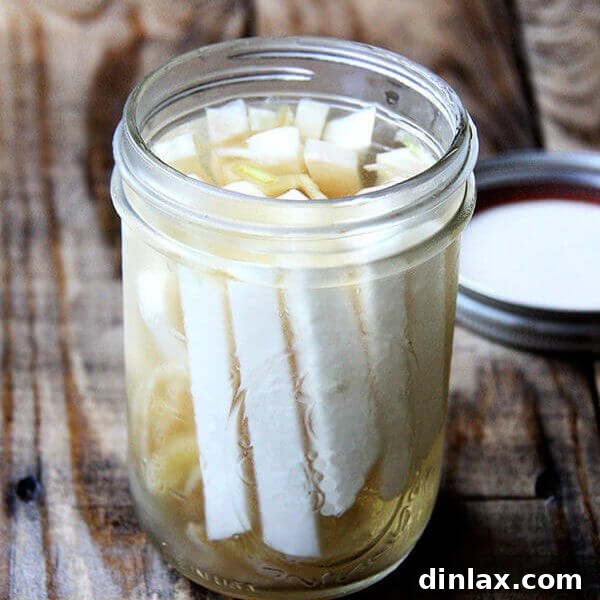
Quick Pickled Kohlrabi
Rated: 4 out of 5 stars by 1 reviewer
- Author: Alexandra Stafford at alexandracooks.com
- Total Time: 45 minutes
Description
This quick-pickle method is incredibly versatile and has been successfully used for carrots, watermelon radishes, and now kohlrabi. It’s a simple yet effective way to add a tangy, crunchy element to any meal, enhancing texture and flavor with minimal effort!
Ingredients
- 1 bulb kohlrabi, greens removed, bulb peeled
- ½ cup distilled white vinegar
- ½ cup water
- 1 teaspoon kosher salt
- 1 teaspoon sugar
- 2 cloves garlic, peeled
- ½ teaspoon peppercorns, lightly crushed
Instructions
- Prepare the Kohlrabi: Slice your peeled kohlrabi bulb into ½-inch thick rounds. Stack these rounds and then cut them into uniform ½-inch thick batons (matchstick-like pieces). Carefully place these kohlrabi batons into a clean canning jar or any heat-proof, airtight container.
- Prepare the Brine: In a small, non-reactive saucepan (such as stainless steel or enamel), combine the water, distilled white vinegar, kosher salt, and sugar. Bring this mixture to a rolling boil over medium-high heat, stirring constantly until both the sugar and salt are completely dissolved. Allow it to simmer for just one minute to ensure all solids are fully incorporated. Remove the saucepan from the heat immediately after simmering.
- Infuse and Pour: To the hot pickling liquid, add the peeled garlic cloves and the lightly crushed peppercorns. Immediately and carefully pour this hot liquid, including the garlic and peppercorns, over the kohlrabi batons in the prepared jar. Ensure that the kohlrabi is fully submerged in the brine; you may need to gently press it down with a spoon if pieces float.
- Cool and Refrigerate: Let the jar cool completely to room temperature on your kitchen counter. This allows the kohlrabi to slowly absorb the flavors of the brine as it cools. Once entirely cool, cover the jar tightly with its lid and transfer it to the refrigerator. The quick-pickled kohlrabi will be ready to enjoy within a few hours, but its flavors will continue to develop and deepen over the next day or two. It can be stored in the refrigerator for up to 2-3 weeks, providing a delicious and versatile condiment for various meals.
- Prep Time: 5 minutes
- Cook Time: 10 minutes