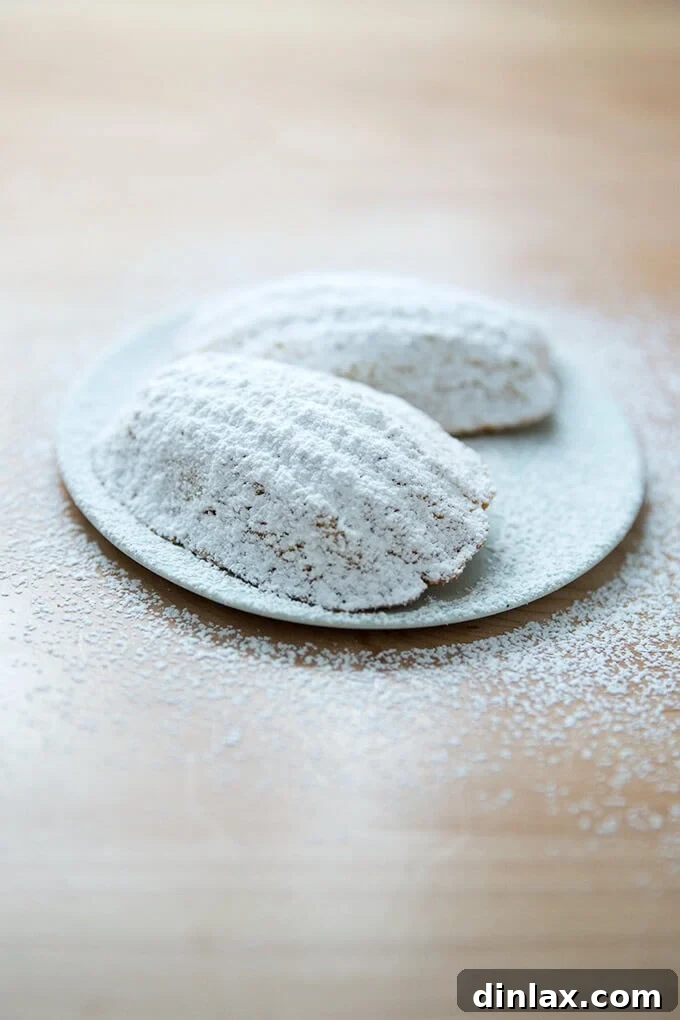
There’s an undeniable charm to Madeleines, those delicate, shell-shaped French sponge cakes. With their distinct lemony flavor, light-as-air texture, and signature hump, they evoke images of Parisian patisseries and elegant afternoon teas. But despite their sophisticated appearance, Madeleines are surprisingly simple to make at home. Forget the reputation of being fussy; this recipe demystifies the process, making these exquisite treats accessible to every home baker. The secret to perfection lies in a few straightforward techniques, primarily ensuring your pan is well-prepared and not over-filled. Master these, and you’ll be baking batches of utterly delicious Madeleines that rival those from the finest bakeries. Dive into this guide, and discover the joy of creating these timeless French pastries, perfect for any occasion and beloved by both adults and children.
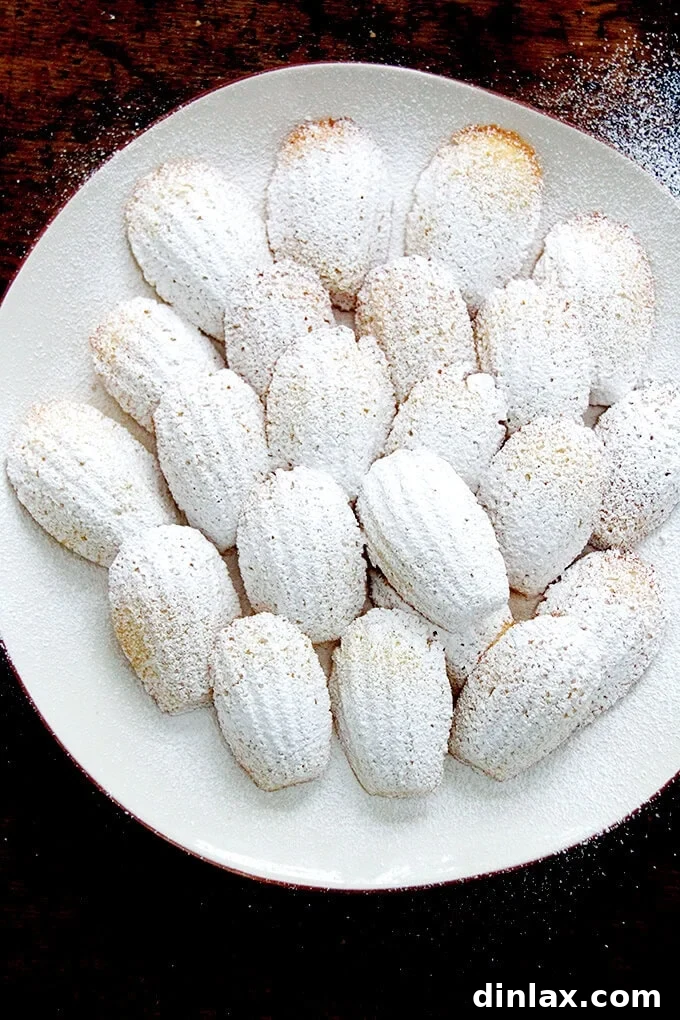
The allure of a freshly baked Madeleine is a sensation unlike any other. This was profoundly illustrated for me a few years ago when I heard world-renowned pastry chef Dominique Ansel share a remarkable insight with Special Sauce host Ed Levine: the optimal shelf life of a Madeleine, according to him, is a mere three minutes. At his eponymous bakery in Soho, this philosophy is put into practice, as Madeleines are baked to order. You won’t find them languishing in cellophane bags on a shelf; instead, they are presented with an emphatic instruction to consume them immediately. Chef Ansel even recounts gently imploring customers not to tuck these warm, delicate shells into their bags, understanding that every passing minute diminishes their sublime quality.
This dedication to peak freshness isn’t applied to all of Ansel’s creations. Many other pastries, he notes, possess a grace that allows them to age beautifully, their flavors often deepening and improving with time. Yet, for Madeleines, time is indeed an ingredient, and its fleeting nature is part of their magic. As Ansel eloquently states, “Food is alive,” and “when you treat time as an ingredient, it changes everything.” This concept ignited a passionate desire within me to master the art of the Madeleine, to experience and share that ephemeral perfection.
Inspired by this revelation, I embarked on my own Madeleine quest. For too long, the idea of baking these delicate cakes felt daunting, a culinary challenge reserved for professional patissiers. However, the passion sparked by Ansel’s words finally pushed me to experiment. Just before Easter, I discovered a recipe purporting to be Dominique’s Madeleines online. Eagerly, I tried it, but the results were, alas, less than stellar – most likely due to user error on my part, rather than a flaw in the recipe itself. Undeterred, I turned to the vast digital culinary library, which led me to this exceptional lemon Madeleine recipe on Epicurious. From that moment, my Madeleine journey truly began, and this adaptation has become my go-to recipe, consistently delivering outstanding results.
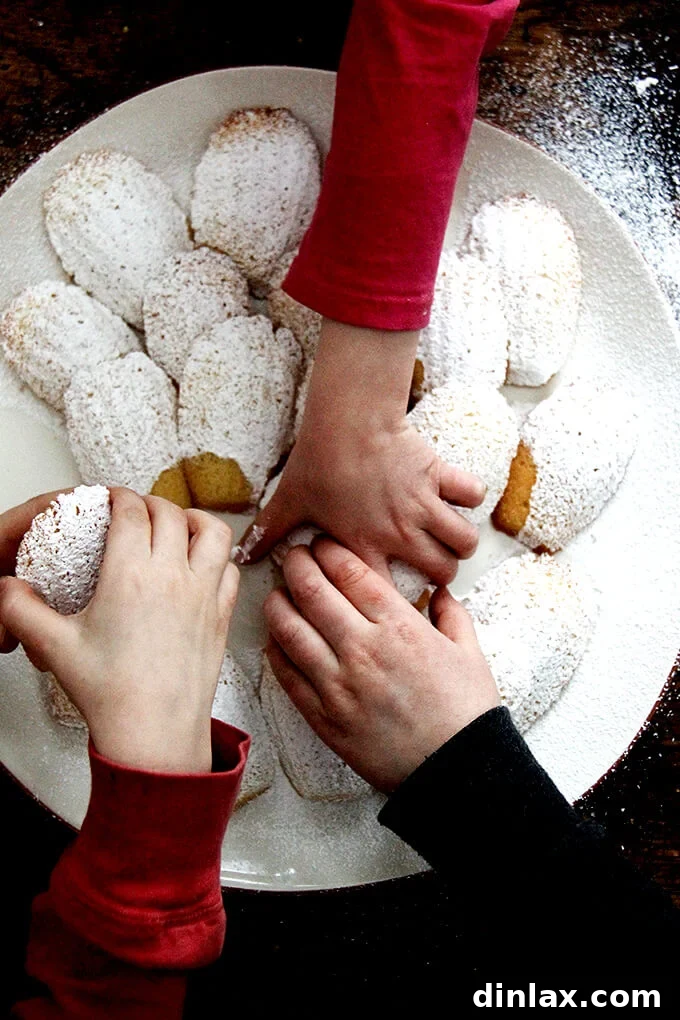
My first successful batch of Madeleines was baked for an Easter dessert. The aroma alone was intoxicating – a warm, sweet, citrusy cloud that filled the kitchen. As I inverted the golden-brown Madeleines onto a platter, their perfect shell shapes and distinctive humps were a testament to the recipe’s reliability. A generous dusting of powdered sugar added the final touch, creating a beautiful contrast against their sun-kissed surfaces. Placing the warm cakes in the center of the table was akin to setting out bait; within moments, a flurry of hands descended, leaving behind only scattered crumbs and faint, shell-shaped impressions on the platter – the sole vestiges of their brief, delicious existence. In that moment of delightful chaos, I imagined Dominique Ansel would have approved, witnessing the ultimate testament to the Madeleine’s fleeting perfection.
Beyond their delightful taste, Madeleines carry a rich cultural weight, forever immortalized by Marcel Proust in “Remembrance of Things Past.” His famous passage, where the taste of a Madeleine dipped in tea triggers a flood of childhood memories, cemented the cookie’s place in literary and culinary history. This connection to memory and nostalgia is part of what makes Madeleines so special, transforming a simple cake into a vessel for profound experience. When you bake Madeleines, you’re not just following a recipe; you’re engaging with a tradition, crafting a piece of edible history that promises both immediate gratification and a potential journey down memory lane.
Achieving the iconic “hump” on your Madeleines is often considered the hallmark of a perfectly baked batch. This characteristic rise is not merely aesthetic; it contributes to the unique light and airy texture of the cake. The key to encouraging this hump lies in the thermal shock imparted to the batter. A well-chilled batter, dropped into a preheated, hot Madeleine pan, creates the perfect environment for the edges to set quickly while the center continues to rise, forming that delightful bump. Don’t be tempted to skip the chilling step; it truly makes a significant difference in the final appearance and texture of your Madeleines. Patience in allowing the batter to rest, ideally for at least an hour or even overnight in the refrigerator, allows the flour to fully hydrate and the flavors to meld, leading to a more tender crumb and a more pronounced hump.
How to Make Madeleines, Step by Step: A Visual Guide to French Perfection
Crafting these classic lemon Madeleines is a rewarding experience, and with a clear, visual guide, you’ll find it surprisingly straightforward. Follow these steps to ensure beautiful, flavorful results every time.
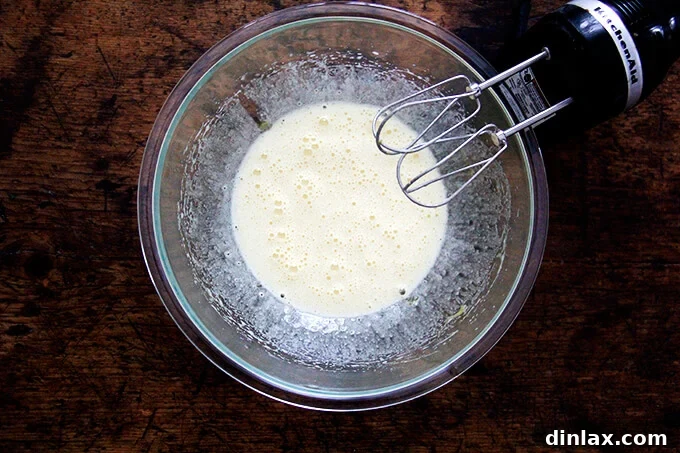
- **Prepare Your Batter Base:** Begin by combining the eggs and sugar in a large bowl. Using an electric mixer on medium speed will yield a light and airy base quickly, but don’t fret if you prefer to go old-school; a vigorous hand whisking will also achieve the desired fluffy consistency. Beat until the mixture is pale yellow and slightly thickened, creating a voluminous foundation for your Madeleines.

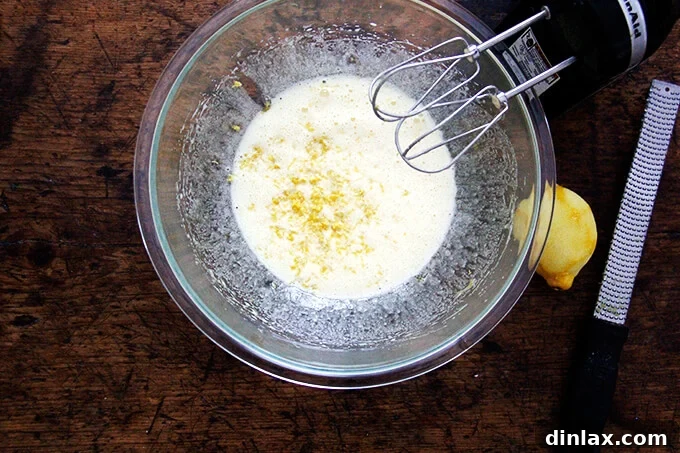
- **Infuse with Citrus Brightness:** Next, incorporate the finely grated lemon zest and a pinch of kosher salt into your egg and sugar mixture. Beat again briefly to ensure these crucial flavor elements are evenly distributed. The lemon zest is paramount, providing that vibrant, fresh citrus note that defines classic lemon Madeleines, while the salt balances the sweetness and enhances all the flavors.
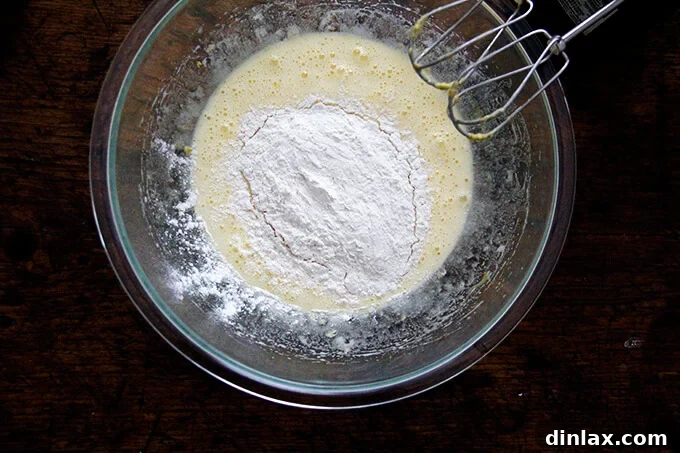
- **Gently Fold in the Flour:** Now, it’s time to add the all-purpose flour. Precision here is key: add the flour to the wet ingredients.
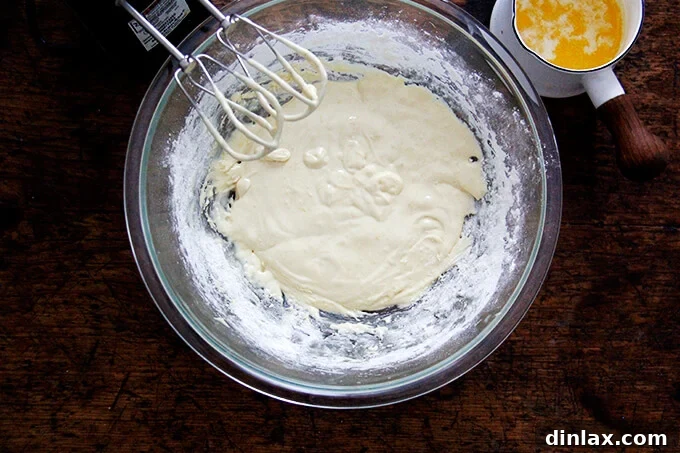
- **Incorporate Flour and Melted Butter:** Beat the mixture just until the flour is combined – be careful not to overmix, as this can develop the gluten too much, leading to tough Madeleines. Once the flour streaks have almost disappeared, gently drizzle in the slightly cooled melted unsalted butter. The butter adds richness and moisture, contributing to the delicate crumb.
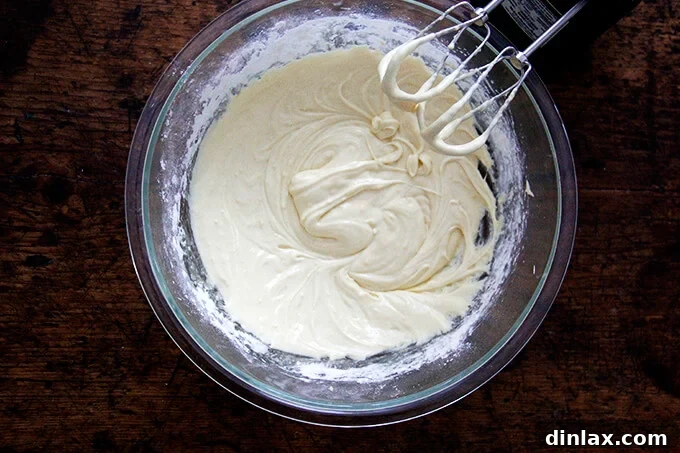
- **Achieve a Smooth Batter:** Continue to beat until the melted butter is fully incorporated into the batter, resulting in a smooth, uniform consistency. Again, mix only until just combined. Overmixing at this stage can also negatively impact the final texture. Once smooth, cover the bowl and refrigerate the batter for at least 1 hour, or ideally overnight. This chilling period is crucial for developing the flavors and, most importantly, for achieving the Madeleines’ signature “hump” during baking.
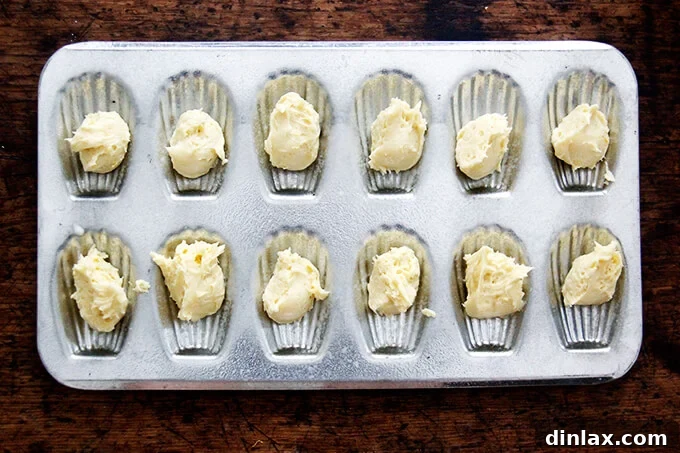
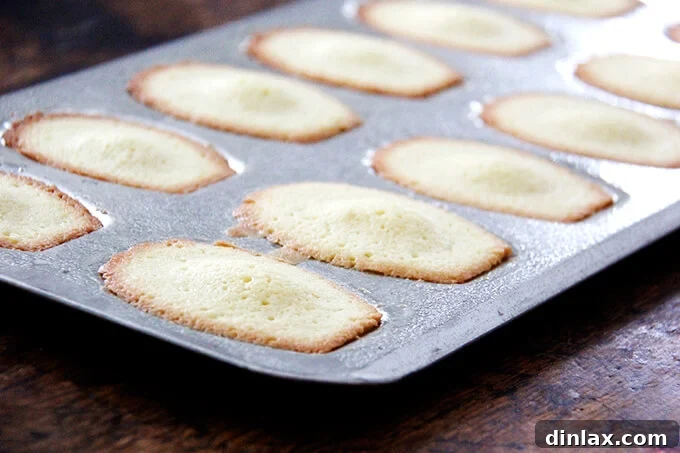
- **Fill the Madeleine Pan:** Once the batter is chilled and your oven is preheated to the specified temperature (375°F or 190°C), it’s time to prepare your Madeleine pan. Generously butter and flour each cavity, or use a reliable non-stick spray for best results. Then, scoop approximately 1.5 tablespoons of batter into the center of each indentation. A 1.5 tablespoon scoop is ideal for this, ensuring consistent sizing and preventing overfilling, which is key to achieving that perfect shell shape and hump. I personally highly recommend this specific Madeleine pan for its consistent quality.
- **Bake to Golden Perfection:** Place the filled Madeleine pan into the preheated oven. Bake for about 12 to 16 minutes, or until the edges are beautifully golden brown and the centers have risen into their characteristic humps. The exact baking time may vary depending on your oven, so keep a close eye on them. They should spring back gently when lightly touched.
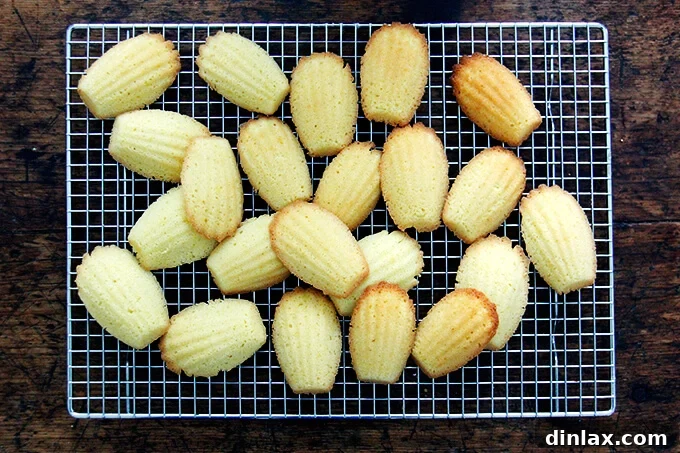
- **Cooling and Serving:** Once baked, carefully remove the Madeleines from the oven. Let them cool in the pan for just about 5 minutes, which helps them firm up slightly before you attempt to unmold them. Then, gently turn them out onto a wire cooling rack to cool completely, or to reach a pleasantly warm temperature for serving.
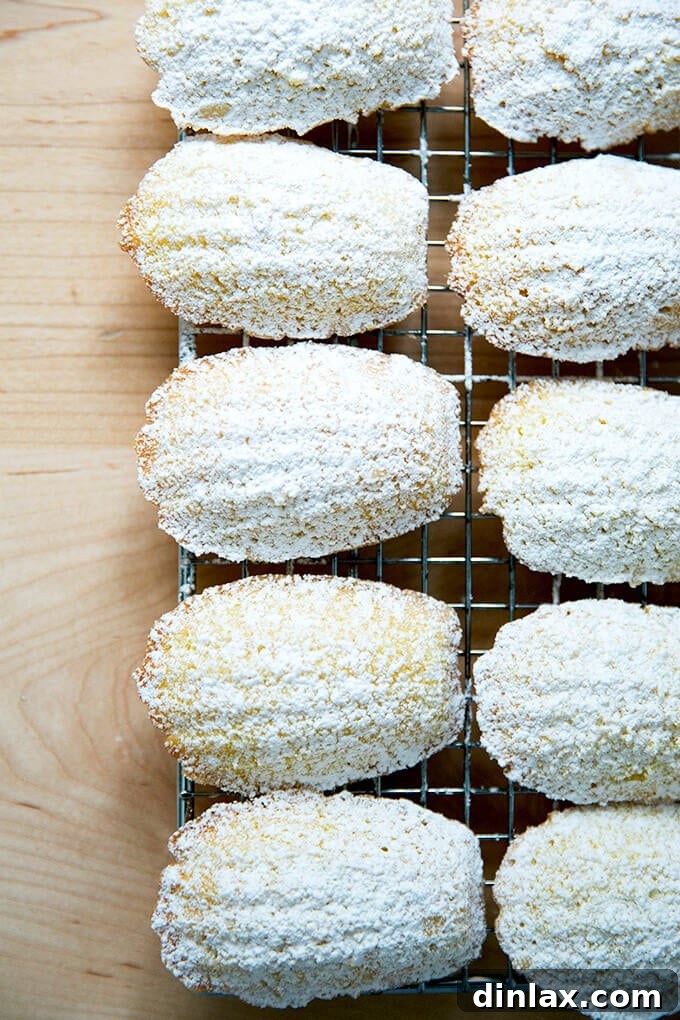
- **The Finishing Touch: Powdered Sugar:** For the final flourish, dust the Madeleines generously with powdered sugar just before serving. This not only adds a touch of elegance but also a delicate sweetness that complements the lemon flavor beautifully. Serve them immediately to experience their exquisite freshness, just as Chef Ansel would insist!
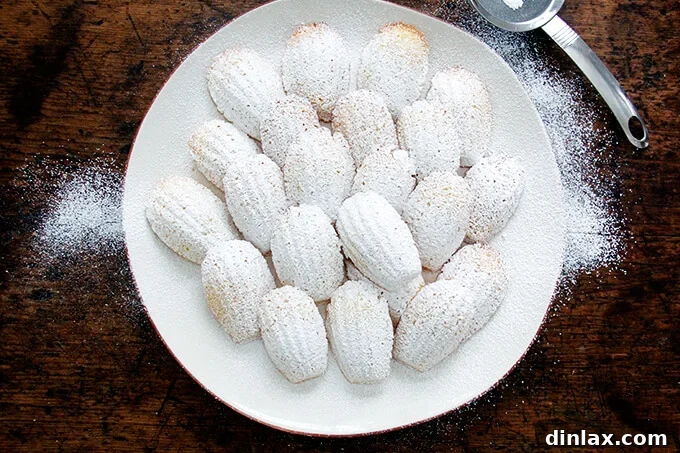
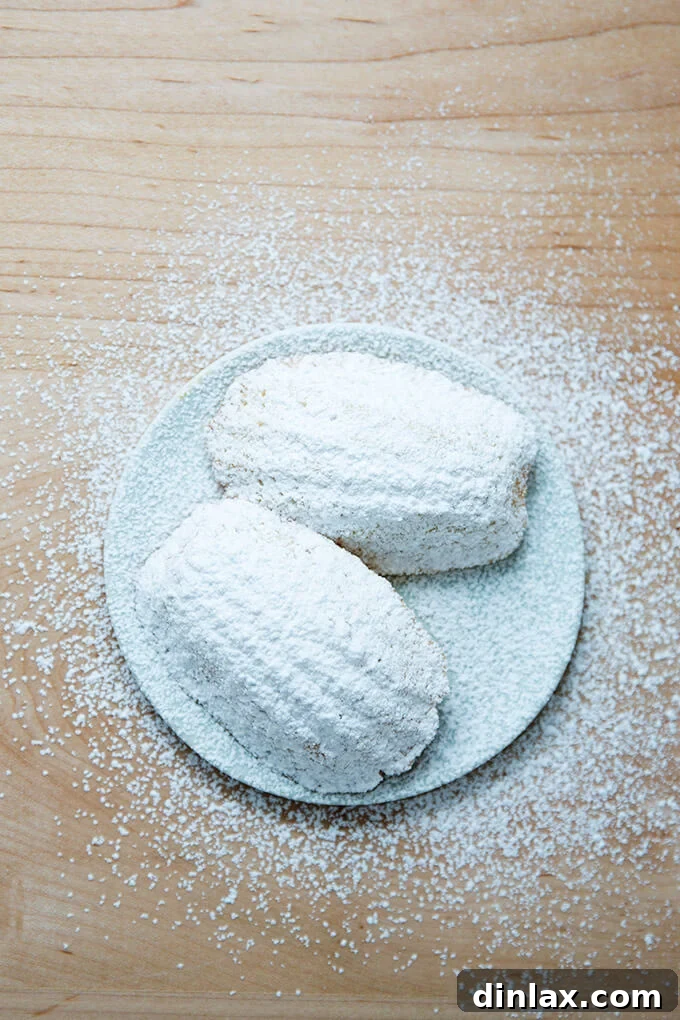
And just like that, they vanish! The sight of freshly baked Madeleines has a magical effect, inspiring a swift and joyful consumption. It’s a testament to their irresistible nature.
Print Recipe
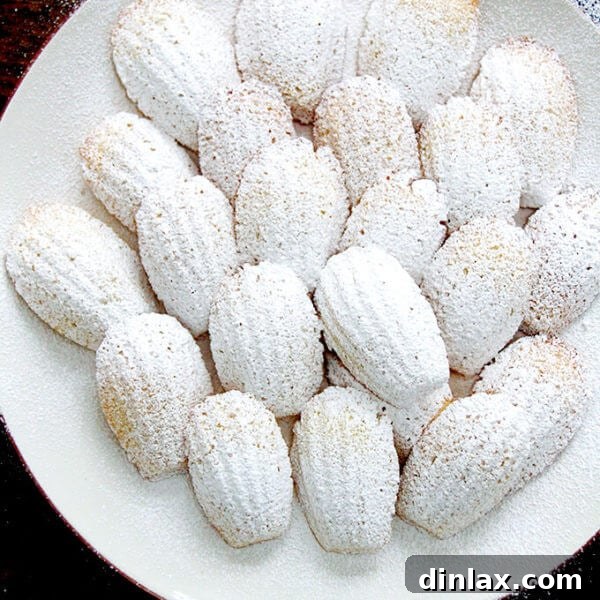
Classic Lemon Madeleines Cookie Recipe: Your Guide to French Baking Perfection
5 Stars 4 Stars 3 Stars 2 Stars 1 Star
5 from 3 reviews
Author: Alexandra Stafford
Total Time: 30 minutes
Yield: 20–24 madeleines 1x
Description
This recipe for Classic Lemon Madeleines is adapted from an excellent Epicurious recipe, streamlined and perfected to ensure delicious results every time. These delicate French cakes are famous for their unique shell shape, light texture, and characteristic “hump” on one side. This adaptation focuses on simplicity without compromising authenticity or flavor, making it suitable for both novice and experienced bakers.
Key Notes for Madeleine Success:
Achieving Madeleine perfection is easier than you might think with a few essential tips:
- **Essential Tools for Seamless Baking:**
- A 1.5 tablespoon scoop is highly recommended. It’s perfect for portioning out the ideal amount of batter into each cavity, preventing overfilling and ensuring consistent, beautiful Madeleines with pronounced humps.
- A dedicated madeleine pan is a must-have to achieve the iconic shell shape. Having multiple pans can speed up the baking process significantly.
- A microplane zester is invaluable for getting fine, flavorful lemon zest without any bitter pith.
- A small sieve is perfect for dusting your baked Madeleines with a delicate, even layer of powdered sugar.
- **Pan Preparation: The Key to Release and Texture:**
While traditional recipes often call for buttering and flouring, which can sometimes lead to burned flour or an off-taste, a good quality non-stick spray is truly the most effective method for preparing your Madeleine pan. It ensures effortless release and a clean finish. If you prefer not to use non-stick spray, generously buttering each cavity will also work well to prevent sticking. The goal is a smooth, even coating that allows the Madeleines to lift cleanly from the mold.
- **The Secret to the “Hump”: Chilling the Batter:**
One of the most crucial steps for achieving the coveted “hump” on your Madeleines is chilling the batter. After mixing, cover the bowl and refrigerate the batter for at least 1 hour, or ideally overnight. This allows the gluten to relax, the flavors to deepen, and the batter to become firm enough to create the thermal shock needed when it hits the hot pan, resulting in that beautiful, characteristic rise.
- **Make Ahead & Storage Tips:**
The batter is incredibly versatile! You can mix it ahead of time and store it, covered, in the refrigerator for up to 2-3 days. This means you can scoop and bake fresh Madeleines on demand, enjoying them at their absolute peak freshness. While Madeleines are best consumed warm, fresh from the oven, they can be stored in an airtight container at room temperature for up to two days. Reheating them gently in a warm oven for a few minutes can revive some of their fresh-baked charm.
Ingredients for Delicate Lemon Madeleines
- 2 large eggs, at room temperature
- 2/3 cup (137 g) granulated sugar
- Zest from 1 large lemon (about 1 tablespoon)
- 1/4 teaspoon kosher salt
- 1 cup (128 g) all-purpose flour, sifted
- 10 tablespoons (1 1/4 sticks) unsalted butter, melted and cooled slightly (but still liquid)
- Additional unsalted butter or nonstick spray for greasing the pan
- Powdered sugar for dusting (optional, but highly recommended for presentation)
Detailed Instructions for Baking Your Madeleines
- **Prepare Your Pan & Batter:** Preheat your oven to 375°F (190°C). Prepare your madeleine pan by generously buttering and flouring each cavity, or by coating it thoroughly with a high-quality non-stick spray. For optimal results and ease of release, especially if you have multiple pans, repeat this step for each. In a large bowl, using an electric mixer (or vigorously with a whisk), beat the 2 large eggs and 2/3 cup granulated sugar until they are light, pale, and slightly thickened. Stir in the lemon zest and kosher salt until well combined. Gradually add the sifted all-purpose flour, beating only until it is just blended and no dry streaks remain. Finally, slowly stream in the slightly cooled melted butter, beating on low speed until the batter is smooth and fully incorporated. Do not overmix. Cover the bowl with plastic wrap and refrigerate for at least 1 hour, or ideally for several hours (up to overnight) to achieve the best “hump” and flavor.
- **Bake to Perfection:** Once your batter is chilled and your oven is preheated, spoon approximately 1.5 tablespoons of the cold batter into the center of each indentation in your prepared madeleine pan. Avoid spreading the batter; it will naturally expand during baking. The 1.5 tablespoon scoop is ideal for this. Bake for 12 to 16 minutes, or until the madeleines are puffed with a distinct hump, golden brown around the edges, and feel springy to the touch. Baking time can vary slightly, so monitor closely.
- **Cool and Serve Immediately:** Remove the pan from the oven and let the madeleines cool in the pan for about 5 minutes before gently removing them onto a wire rack. If baking in batches, ensure you clean and re-grease your pan before each subsequent use to prevent sticking. Once on the cooling rack, dust the warm madeleines generously with powdered sugar using a small sieve. Serve these delightful cookies immediately to savor their fresh, light, and lemony goodness at its peak, just as Dominique Ansel intended.
- Prep Time: 15 minutes (plus 1 hour to overnight chilling)
- Cook Time: 12-16 minutes
- Category: Cookie, Dessert, French Pastry
- Method: Baking
- Cuisine: French