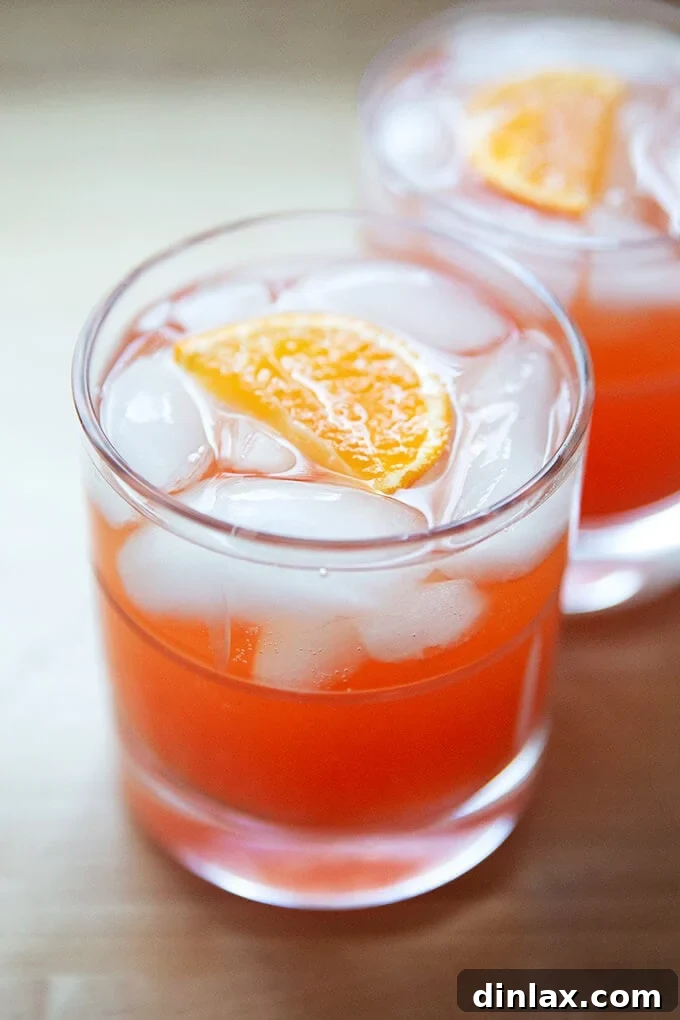
There’s a certain magic in discovering a new recipe that effortlessly elevates your everyday or transforms a special occasion. This year, that magic arrived in the form of David Lebovitz’s delightful cookbook, Drinking French, a thoughtful gift from my mother. Published earlier this year, this exquisite volume quickly became a treasured possession, filling me with a yearning for the Parisian cafes and sun-drenched French terraces it so vividly evokes—a wanderlust that’s particularly poignant in times when travel feels distant.
Lebovitz, a renowned culinary expert and author, masterfully compiles 160 recipes that delve into the heart of France’s iconic cocktail, apéritif, and café traditions. Each page turned is an invitation to explore a rich culture of enjoyment and conviviality. While I have many intriguing recipes flagged for future adventures—from a refreshing grapefruit rosé and a decadent non-alcoholic chocolate frappé to the elegant L&T (Lillet and tonic) and the intriguing “last word” (a sophisticated blend of gin, fresh lime juice, maraschino liqueur, and green Chartreuse)—my first foray into Drinking French was driven by immediate accessibility. My home bar, while functional, isn’t always fully stocked for exotic concoctions. Fortunately, one recipe stood out, requiring ingredients I happily had on hand: the vibrant Tangerine Spritz.
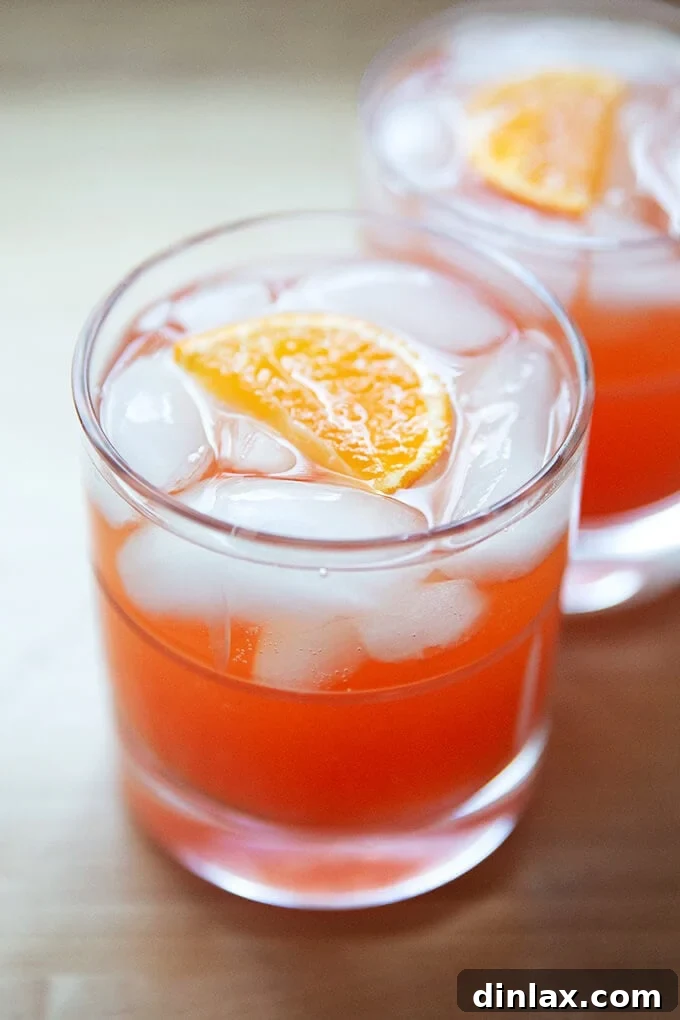
The moment I crafted my first Tangerine Spritz, I knew I had stumbled upon something truly special. It’s more than just a drink; it’s an experience. The color alone is captivating—a brilliant, sun-kissed orange that immediately brightens any setting. The aroma of fresh citrus instantly invigorates the senses, promising a taste that is both festive and remarkably refreshing. This spritz perfectly captures the essence of winter’s bounty, transforming humble tangerines into a sophisticated libation that feels appropriate for both chilly evenings and celebratory gatherings. It’s a harmonious blend, much like a spritz meets a mimosa, offering the best of both worlds with its bubbly charm and zesty appeal. It felt like the ideal apéritif to usher in the New Year, symbolizing a fresh, bright start. Here’s to good health, happiness, and delicious drinks! Cheers to a wonderful 2021, everyone! 🥂🥂🥂🥂🥂🥂🥂🥂🥂
Elevating Your Spritz: A Deep Dive into Crémant
When crafting a perfect spritz, the choice of sparkling wine is paramount. While this recipe traditionally suggests Prosecco or a dry sparkling white wine, I’ve recently fallen in love with Crémant—a discovery I owe to my knowledgeable friends at the Niskayuna Wine Shop. Crémant offers a fantastic alternative, providing a quality comparable to Champagne but at a much more accessible price point, making it an ideal choice for both cocktails and stand-alone toasts.
To truly understand Crémant’s appeal, it’s helpful to consider its place in the world of sparkling wines. Champagne, renowned for its prestige, is produced exclusively in the Champagne region of France, adhering to strict regulations regarding grape varietals (primarily Chardonnay, Pinot Noir, and Pinot Meunier) and the traditional method of double fermentation in the bottle. Prosecco, on the other hand, hails from Italy, primarily uses Glera grapes, and is typically produced using the Charmat method, which involves secondary fermentation in large tanks, resulting in a lighter, fruitier, and generally less complex profile than Champagne.
Crémant bridges this gap beautifully. As David Lebovitz notes in Drinking French, “In France, a number of regions produce crémant, a sparkling wine that’s also fermented twice, but isn’t bound by the same rules as champagne and can be made from different variety of grapes.” This means Crémant also utilizes the traditional method, producing fine, persistent bubbles and a more nuanced flavor profile than many Proseccos, but its regional diversity allows for a broader range of grape varietals and styles. This flexibility contributes to its affordability without compromising on quality.
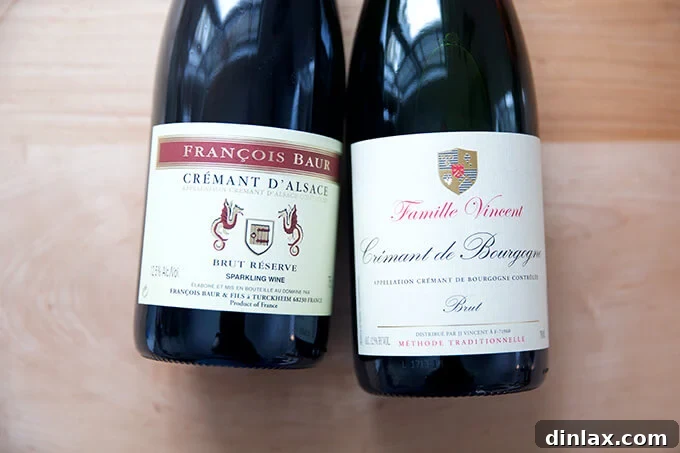
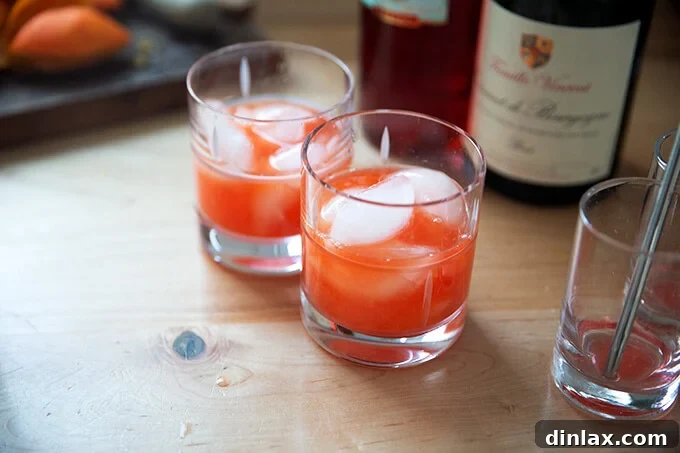
Lebovitz further explains: “Crémants are made in Alsace, Burgundy, Bordeaux, the Loire, the Savoie, and the Jura. They can’t be called champagne, but there are some excellent crémants that give champagne a run for its money.” Each region imparts its unique terroir and grape characteristics to its Crémant. For instance, Crémant d’Alsace often features Pinot Blanc, Pinot Gris, and Riesling, yielding crisp and floral notes. Crémant de Bourgogne (Burgundy) frequently uses Chardonnay and Pinot Noir, offering a richer, more complex taste reminiscent of Champagne. For those looking to explore, I’ve particularly enjoyed the Francois Baur Crémant D’Alsace and the Famille Vincent Crémant de Bourgogne, both of which offer exceptional value and delightful characteristics perfect for this spritz.
Using Crémant in your Tangerine Spritz adds a layer of sophistication, with its refined bubbles and subtle complexity harmonizing beautifully with the citrus and bitter apéritif. It transforms a simple cocktail into a truly memorable experience.
Crafting the Perfect Tangerine Spritz: A Simple Guide
Creating this refreshing Tangerine Spritz is wonderfully straightforward, making it an ideal choice for both seasoned mixologists and novice cocktail enthusiasts. The beauty lies in the simplicity of its ingredients and the ease of assembly. Here’s a step-by-step guide to bringing this bright, effervescent drink to life:
Step 1: Gather Your Ingredients
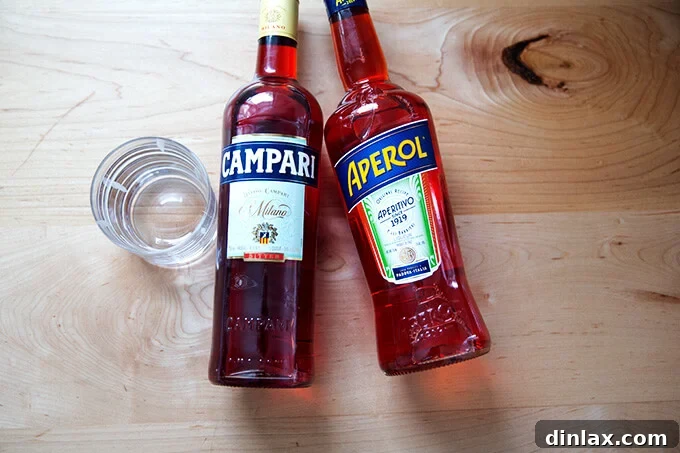
You’ll need three primary components: fresh citrus (tangerines, clementines, or oranges), your chosen sparkling wine (Prosecco or, as recommended, Crémant), and a red bitter apéritif. For the bitter component, Campari is a classic choice, offering a distinctive, assertive bitterness. However, as David Lebovitz notes in his book, he prefers Dolin, which he describes as “less aggressive than some of the Italian red bitter apéritifs, whose intensity can mask any subtle botanical flavors.” He also highly recommends the California-made Bruto Americano. Each of these imparts a slightly different character to the spritz, allowing for delightful experimentation.
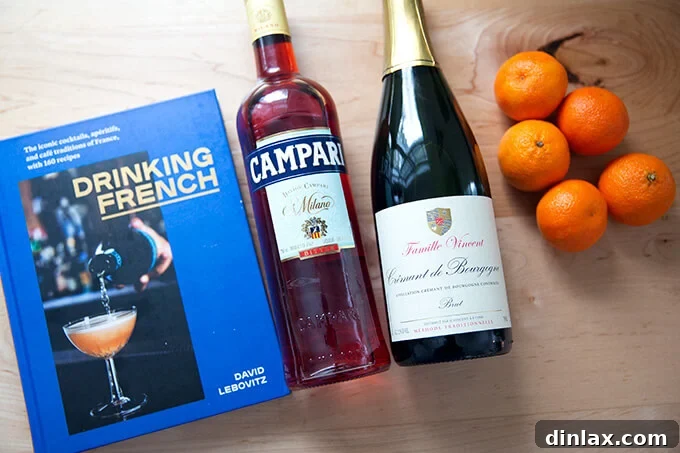
Speaking of experimentation, while David’s preferences are excellent, I must confess a soft spot for using Aperol in my spritz. Aperol, with its lighter, sweeter, and more herbaceous profile compared to Campari, offers a slightly milder bitterness and a sunnier hue. It results in a spritz that is equally delicious, though perhaps a touch less intense. It’s a delightful variation worth exploring if you prefer a gentler bitterness. But shhh… mum’s the word!
Step 2: Prepare Your Citrus
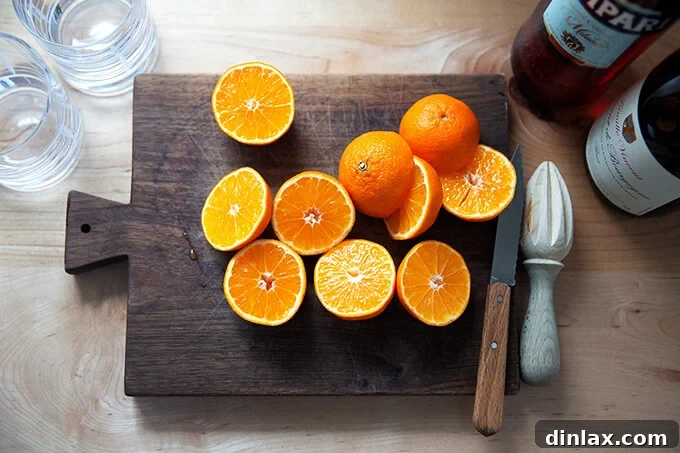
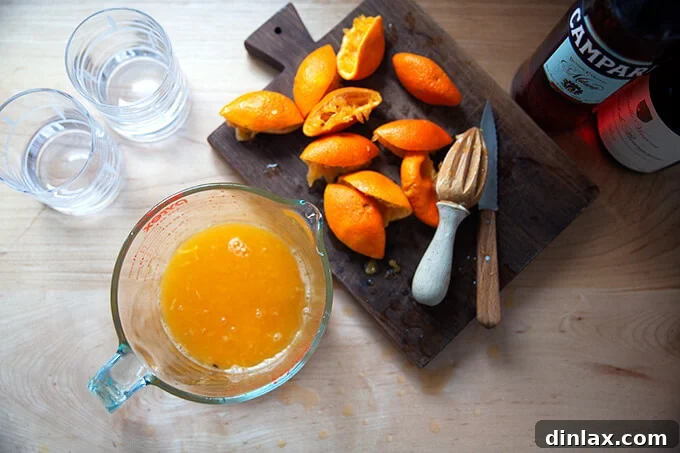
The key to a truly fresh and vibrant spritz is freshly squeezed juice. Take your tangerines, clementines, or oranges, halve them, and juice them. While tangerines offer a unique aromatic quality, clementines provide a lovely sweetness, and oranges contribute a classic, robust citrus flavor. Don’t worry if you can’t find specific tangerines; any of these fresh citrus options will yield fantastic results. Aim for about 2 ounces of juice per serving.
Step 3: Mix the Base
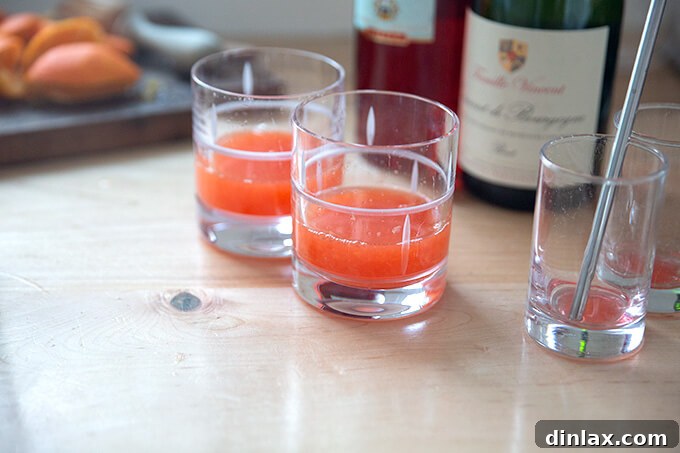
In your chosen glass—a stemmed goblet or a simple tumbler works beautifully—first combine the freshly squeezed citrus juice with your red bitter apéritif. Gently stir these two components together. This initial mixing ensures that the flavors are well integrated before the sparkling wine is added, creating a balanced foundation for your spritz.
Step 4: Add Ice Generously
Fill your glass approximately three-quarters full with ice. Plenty of ice is crucial for a spritz, not only to keep it refreshingly cold but also to manage dilution as you sip, ensuring the flavors remain crisp and vibrant from start to finish. Large cubes are ideal as they melt slower.
Step 5: Top with Sparkling Wine
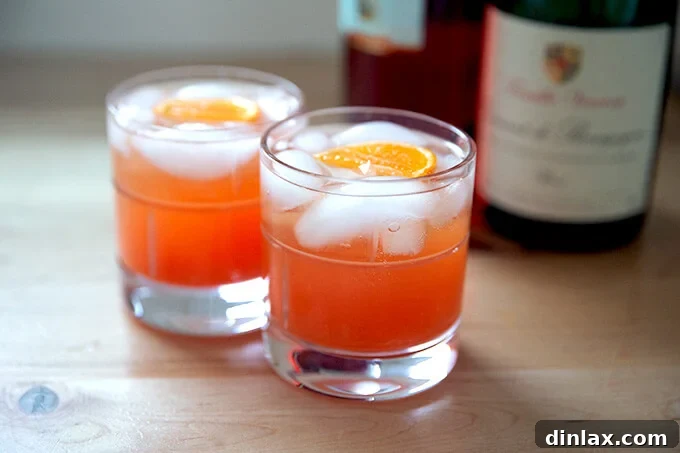
Finally, slowly top the mixture with your Prosecco or dry sparkling wine. Pouring gently helps to preserve the effervescence, maintaining that delightful fizz which is so characteristic of a spritz. Stir briefly, just enough to combine the sparkling wine with the citrus and bitter base.
Step 6: Garnish and Serve
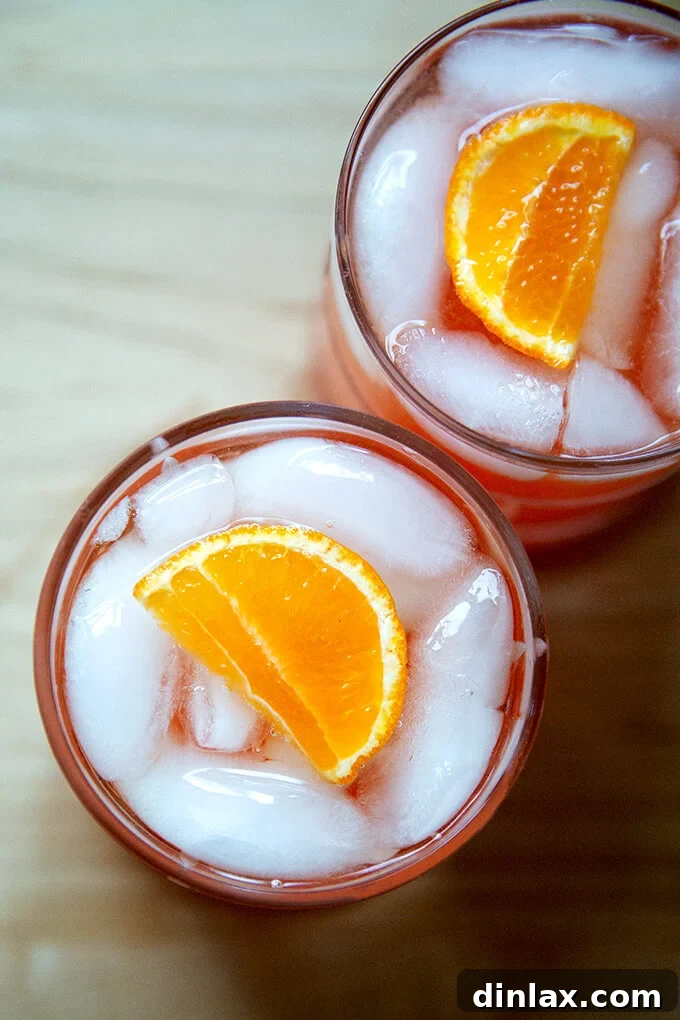
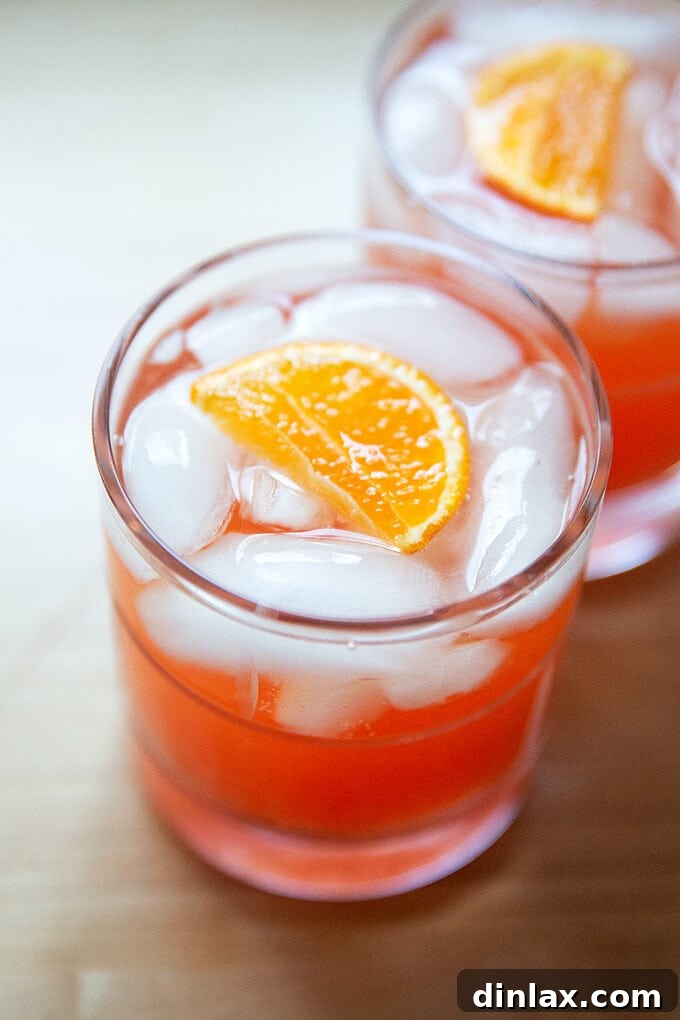
For a final touch of elegance and an added aromatic boost, garnish your Tangerine Spritz with half a slice of tangerine or orange. The vibrant color of the citrus peel beautifully complements the drink’s hue and releases fragrant oils with every sip. Serve immediately and enjoy the delightful dance of sweet, bitter, and bubbly flavors!
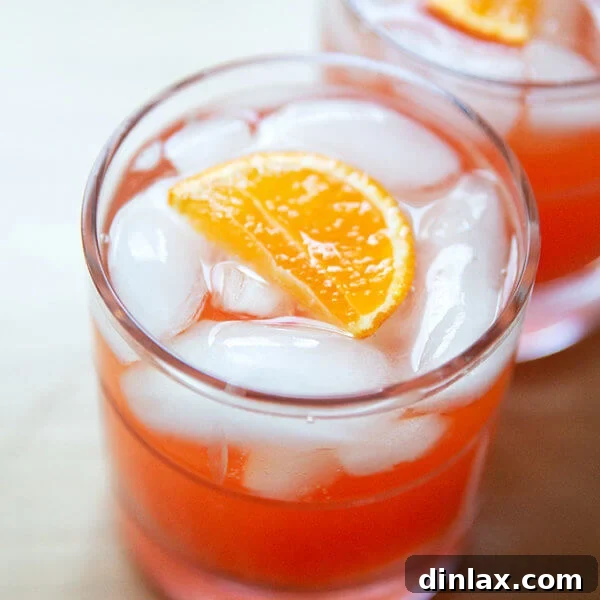
Tangerine Spritz
4.9 from 7 reviews
- Author: Alexandra Stafford
Total Time: 5 minutes
Yield: Serves 1
Description
A vibrant and refreshing Tangerine Spritz recipe, inspired by David Lebovitz’s Drinking French. This easy-to-make cocktail combines fresh citrus juice, a bitter apéritif, and sparkling wine for a festive, bubbly, and utterly delicious drink perfect for any celebration, especially New Year’s Eve.
Notes:
For the red bitter apéritif, David Lebovitz suggests Dolin or Bruto Americano for a less aggressive bitterness, allowing more subtle botanical flavors to shine. Campari is also a classic and excellent choice if you prefer a bolder, more intense bitter note. For a slightly sweeter and milder option, Aperol works beautifully and is a personal favorite variation.
Ingredients
- 2 ounces (¼ cup | 60 ml) freshly squeezed tangerine (or orange) juice
- ¾ ounce (1.5 tablespoons | 22ml) red bitter apéritif, such as Campari (see notes above for alternatives)
- 2 ounces (¼ cup | 60 ml) Prosecco or other dry sparkling wine (Crémant recommended)
- Half a tangerine or orange slice for garnish
Instructions
- Mix the freshly squeezed tangerine (or other citrus) juice and the red bitter apéritif in a stemmed goblet or a glass of your choice. Stir gently to combine.
- Fill the glass about three-quarters full with ice.
- Slowly pour in the Prosecco or sparkling wine. Stir briefly to integrate.
- Garnish with half an orange or tangerine slice before serving.
- Prep Time: 5 minutes
- Category: Drinks
- Method: Stir
- Cuisine: American